Jackson Hole Winter LandscapeS: Grand Tetons & BEYOND in Snow
Jackson Hole, Wyoming is usually framed through action. Step back, and it reveals something quieter: perspective.
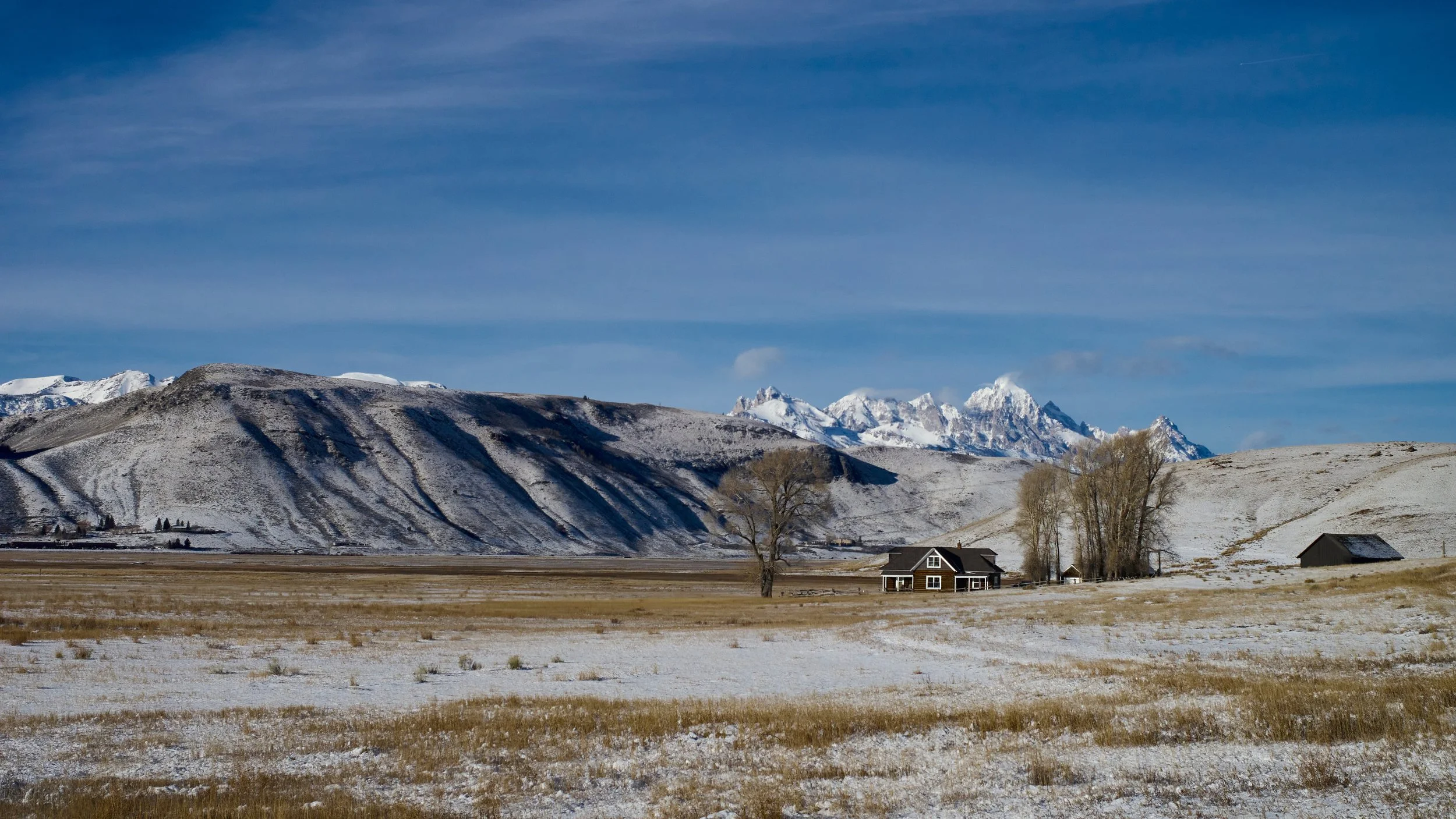
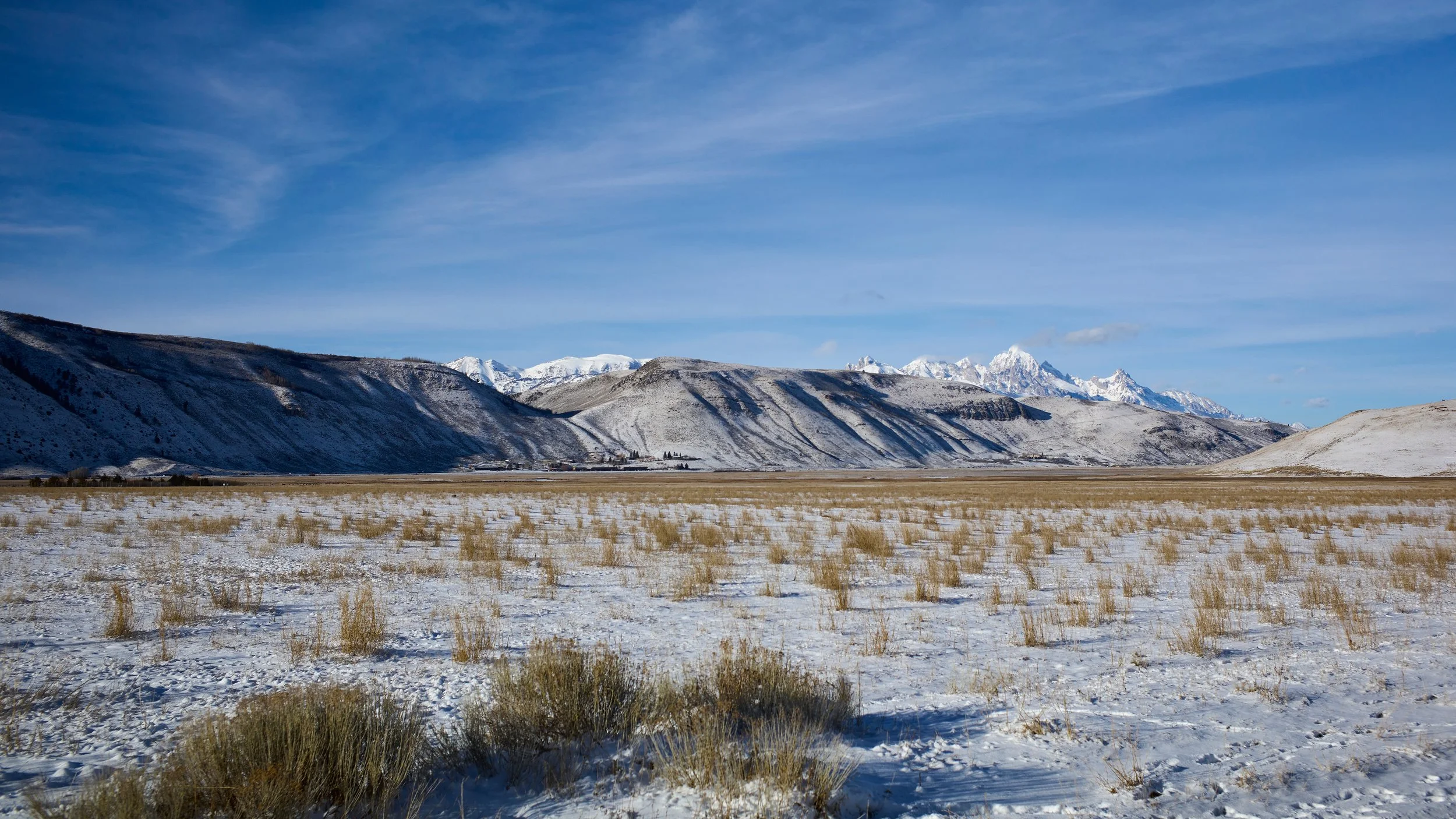
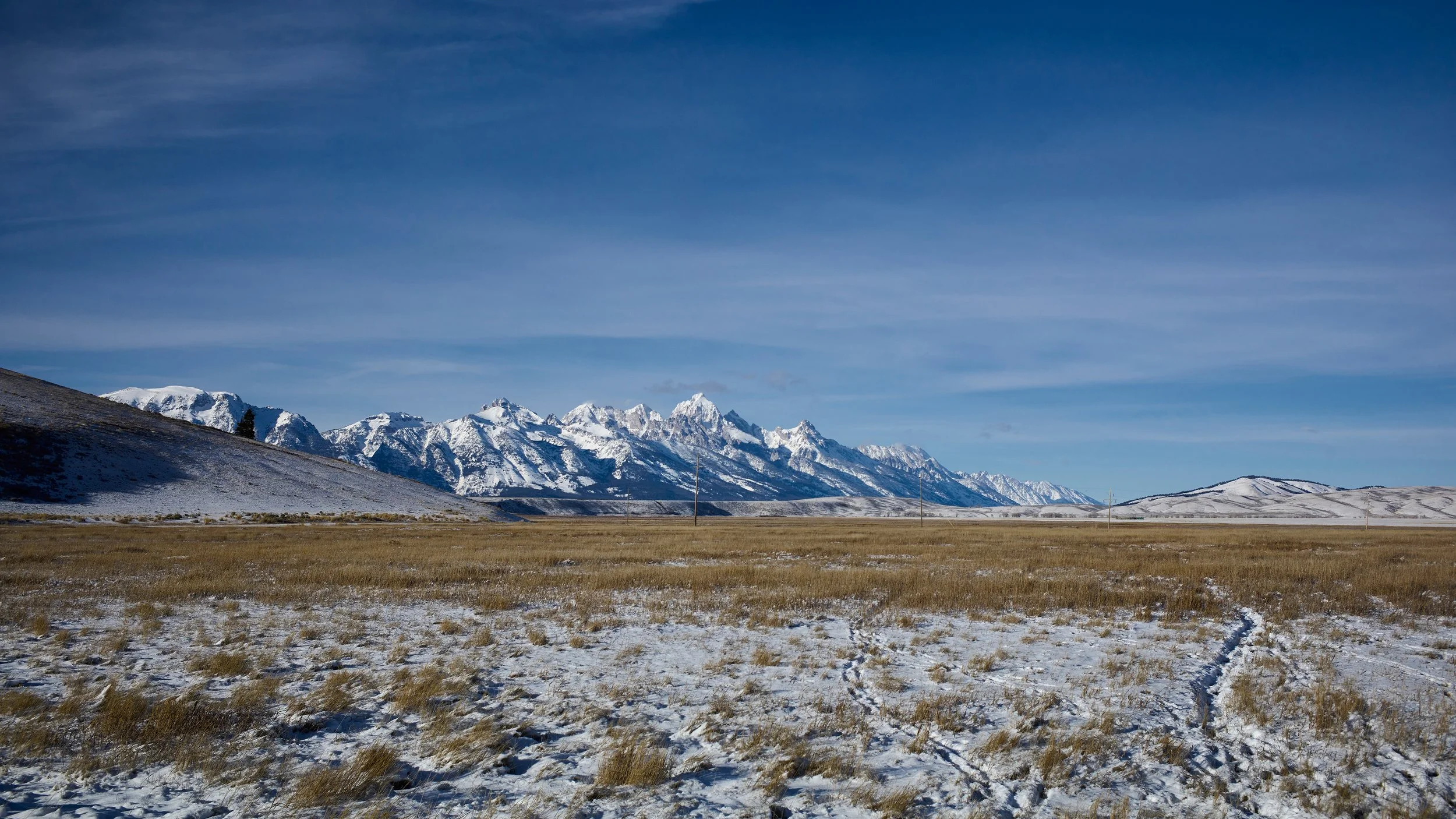
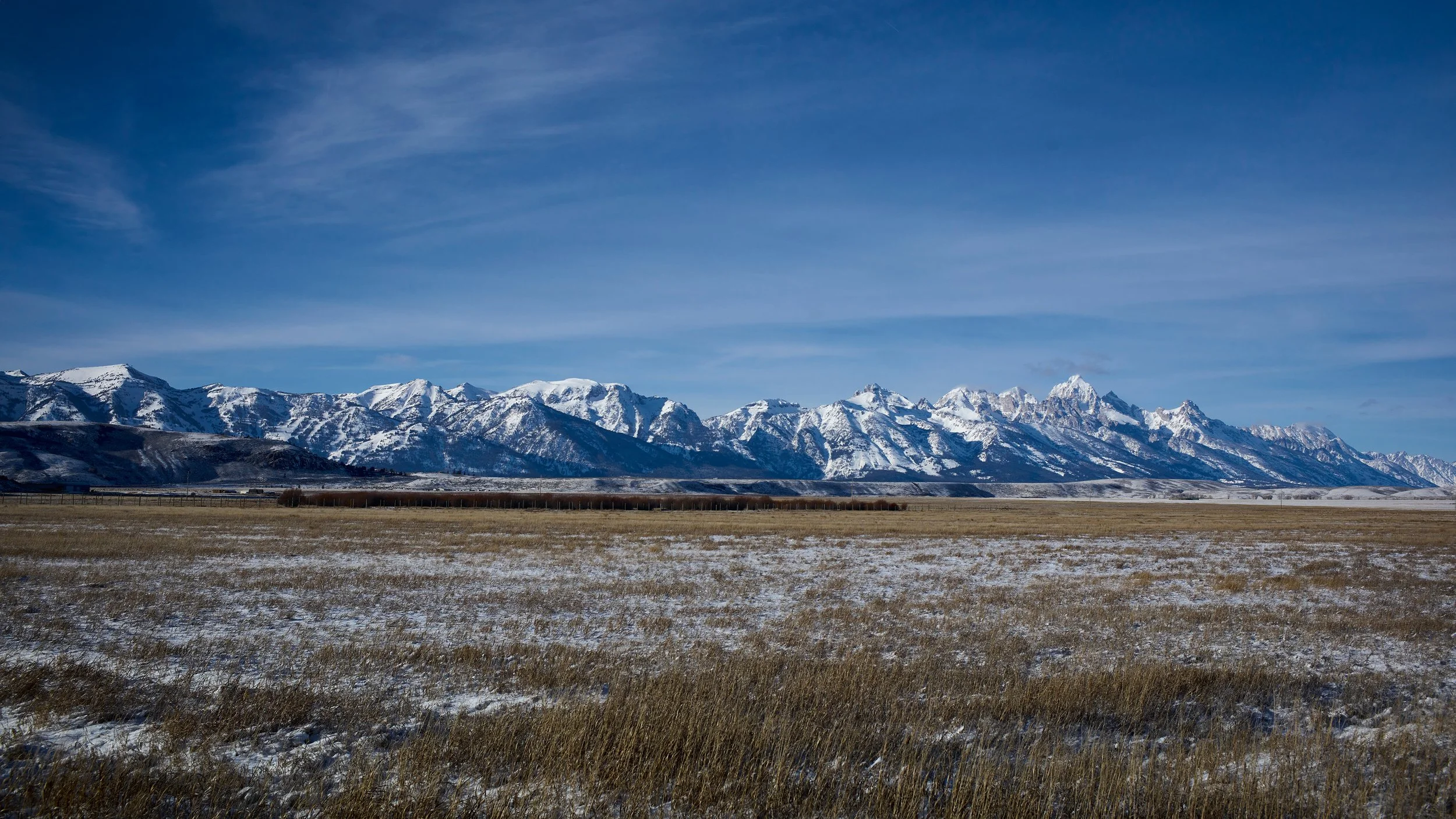
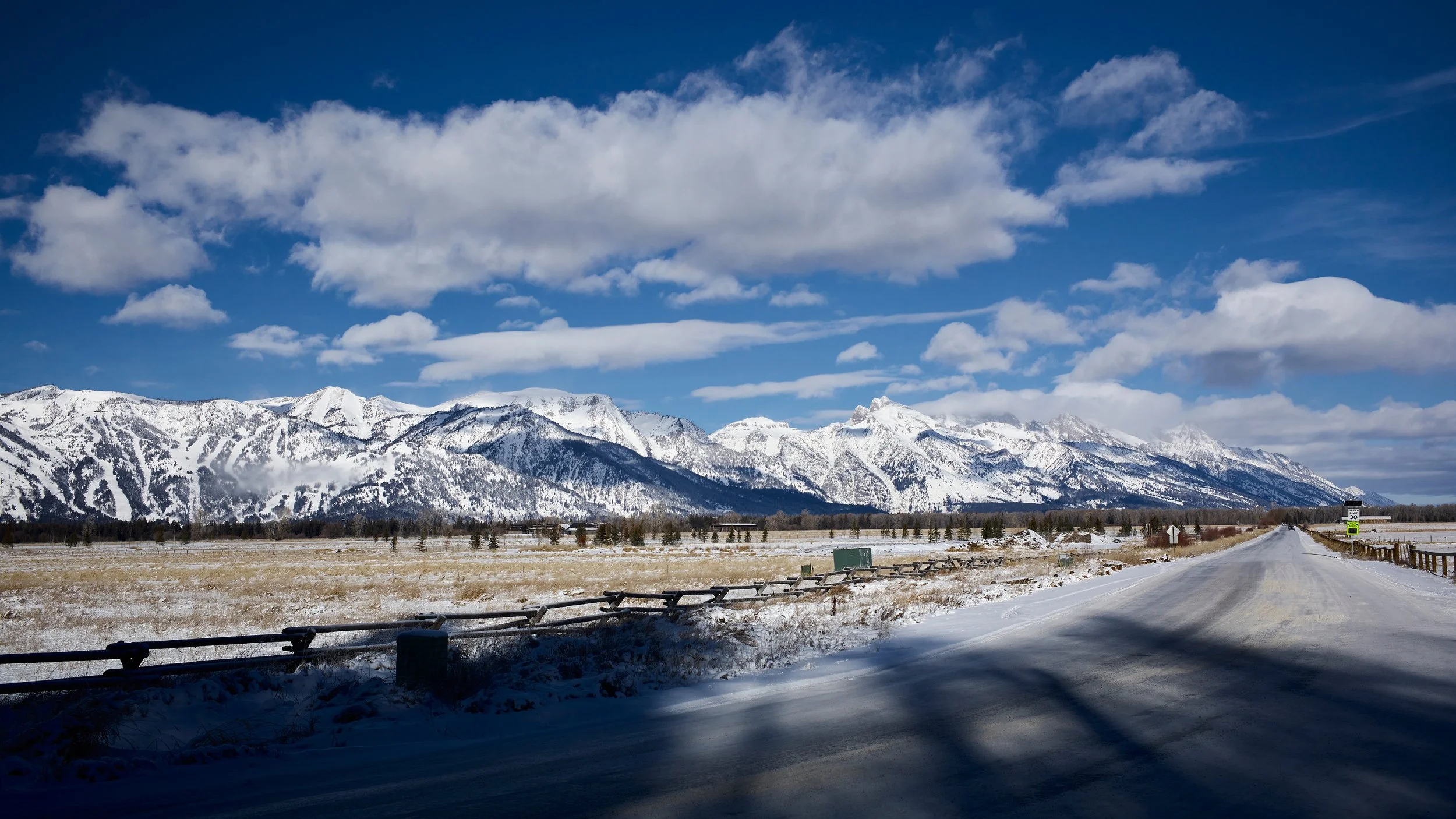
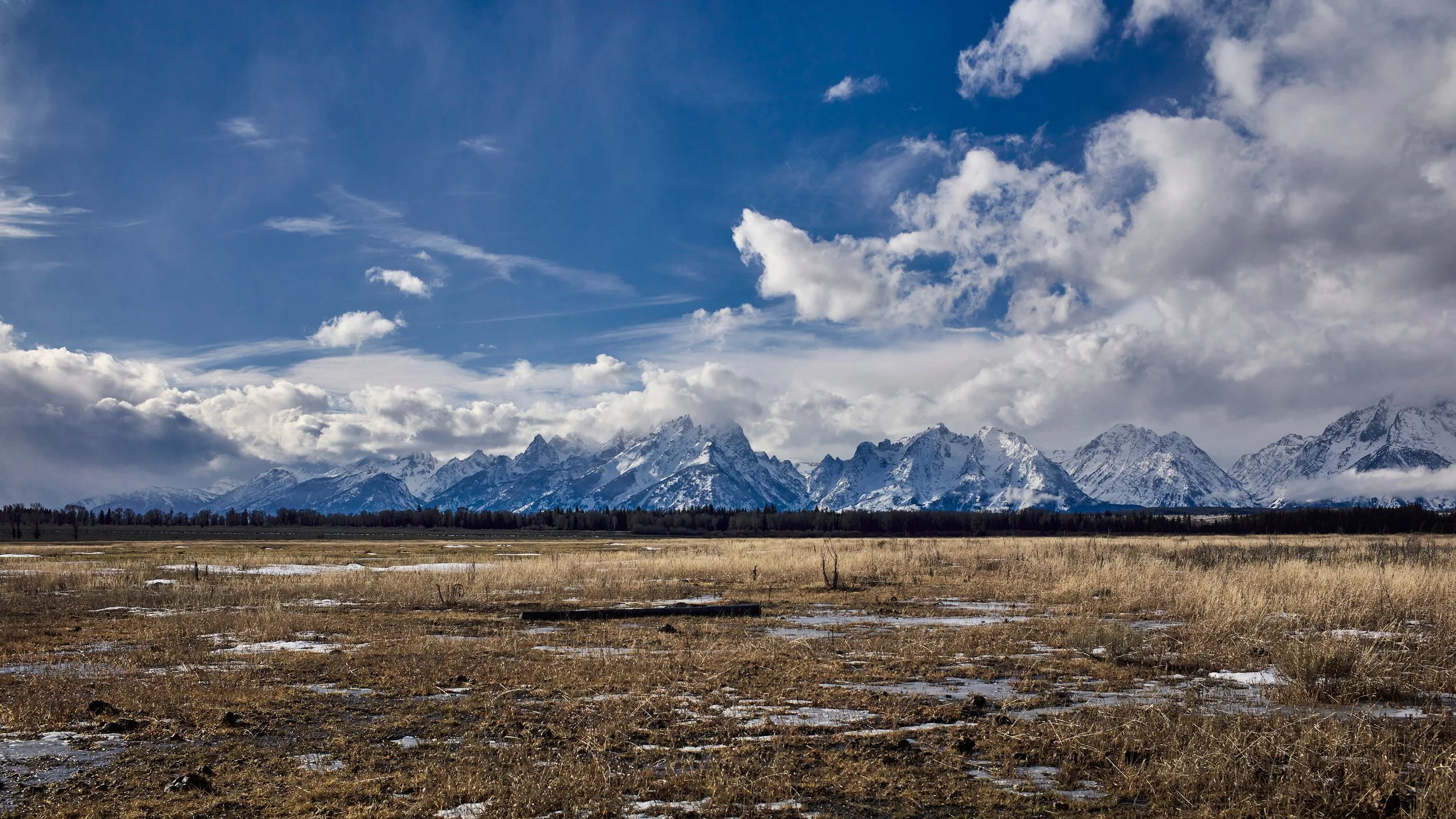
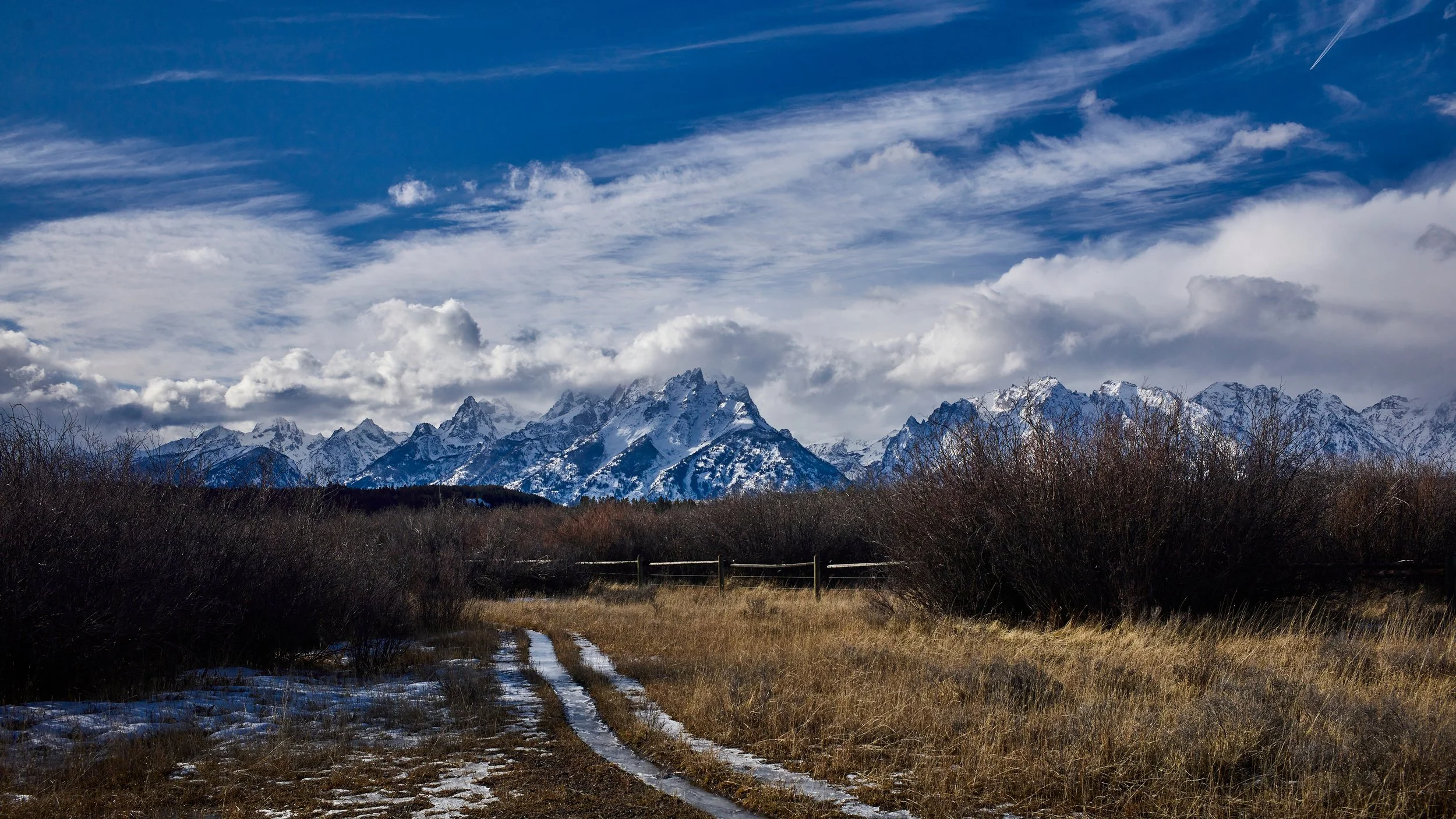
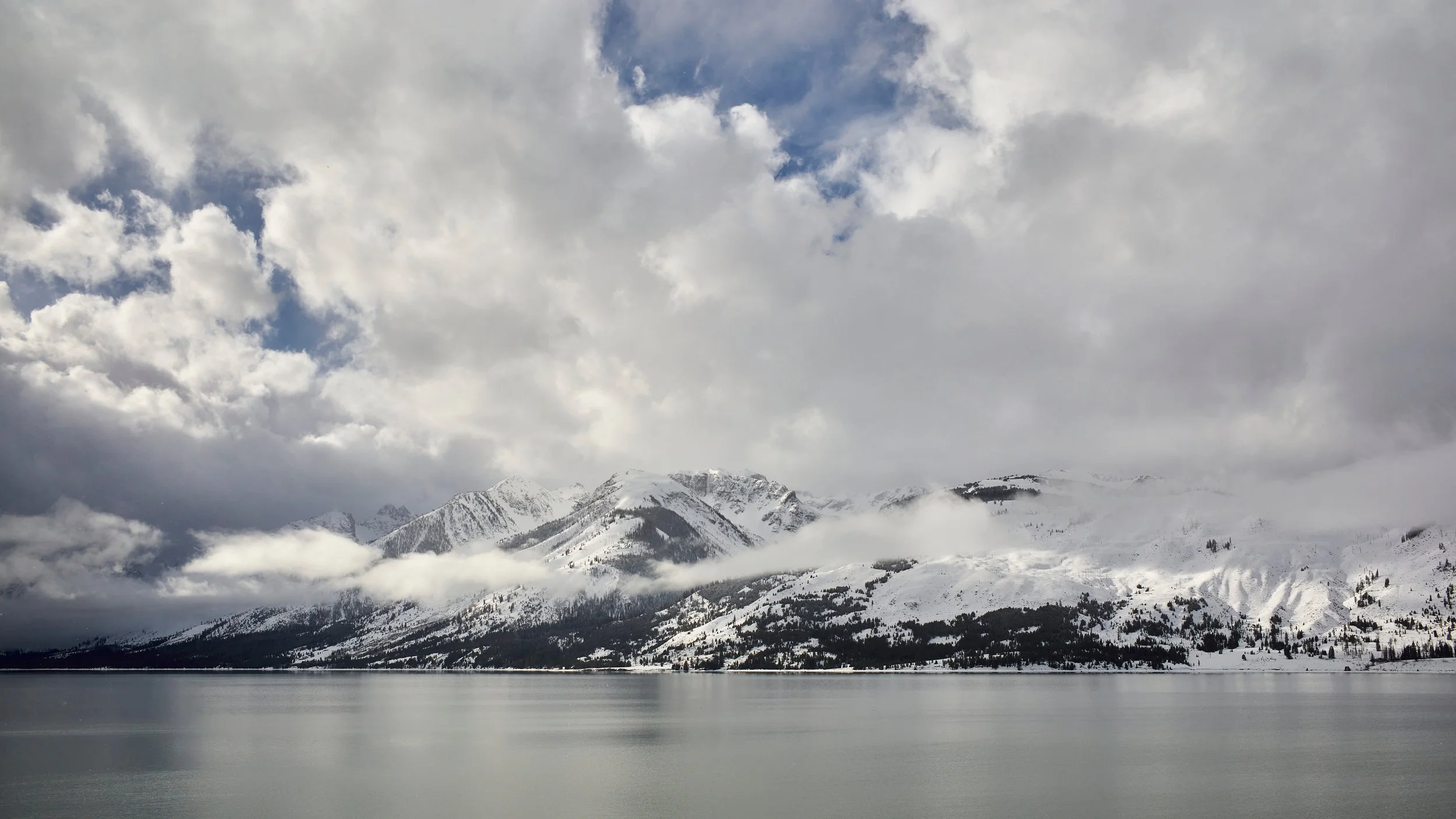
The Teton Range rises abruptly from the valley floor. Peaks like Grand Teton and Mount Moran dominate the skyline. From different viewpoints, the same mountains change character — sharp and imposing up close, layered and softened from distance. Light shifts perception further: morning highlights contrast, midday flattens depth, late afternoon restores it. Clouds can fragment scale, revealing only fragments of peaks. The mountains themselves remain constant; our view does not.
Distance and angle alter everything. Up close, the Tetons feel confrontational. Step back, and they become composed. Quiet. Measured. Restraint matters here.
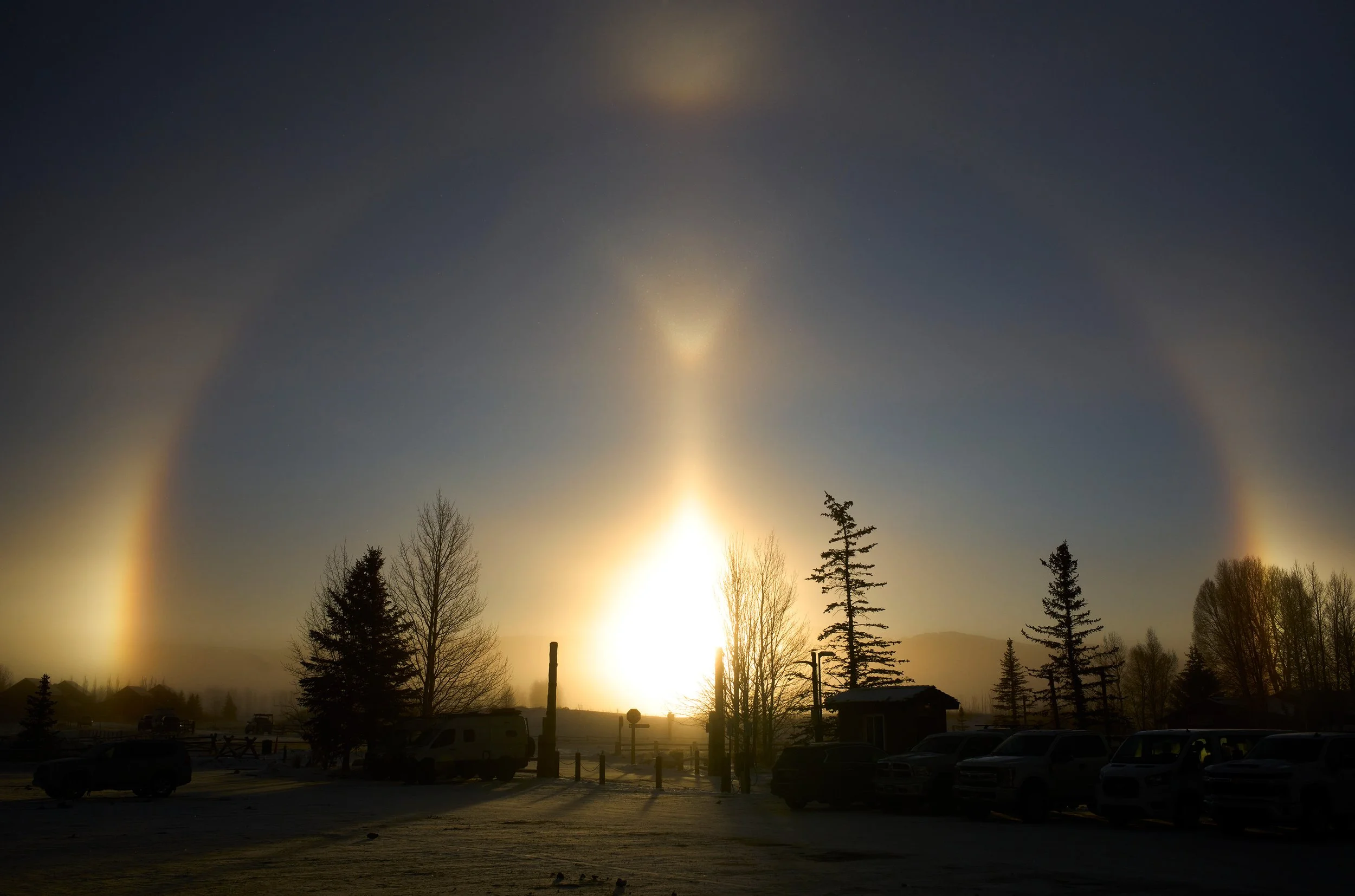
The final image, Broken Spectre, departs from clarity. Fractured and unresolved, it mirrors the range’s inherent imperfection — wind, erosion, and shifting light constantly shape what we see. Jackson Hole is often framed as pristine; in reality, it is defined by exposure, pressure, and time.
From Schwabacher’s Landing to Oxbow Bend, every vantage point offers a different Teton composition. Observing the mountains from Jackson Lake emphasizes depth and distance, while valley floor perspectives reveal dramatic relief and jagged ridge lines. These viewpoints are critical for capturing the grand scale of Jackson Hole’s landscapes.
The Tetons do not need explanation. They reveal themselves based on where you stand, how long you look, and the light that catches them. For landscape photographers and visitors alike, Jackson Hole offers endless variation — each view distinct, each moment unique.
All photos made with Leica M10R and Leica Summicron 35mm lens.