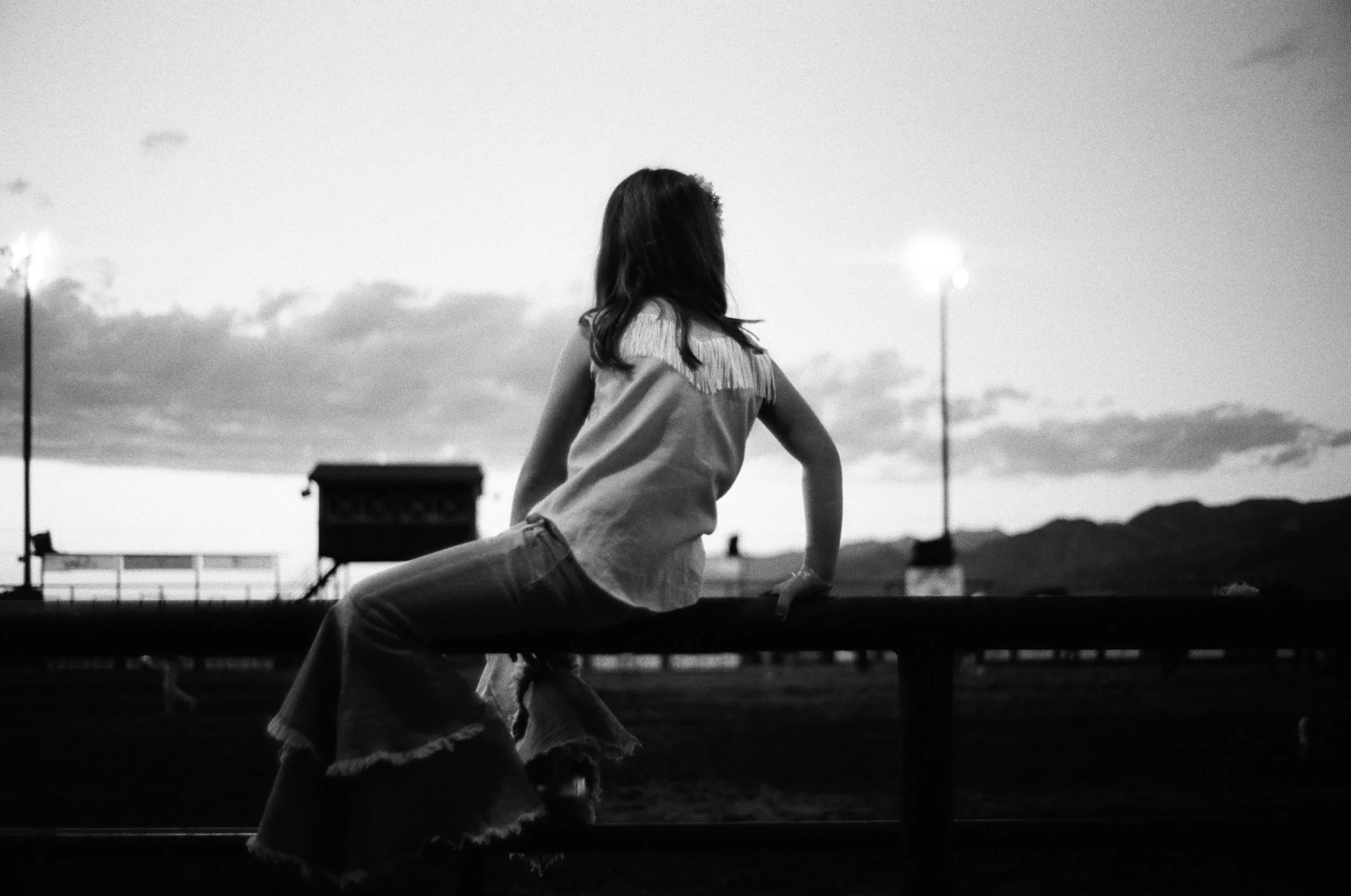
Montana on Kodak Tri-X: The Fourth of July, Yellowstone, and the Beartooth Highway
Robert Frank's The Americans is the usual reference for black-and-white road trip work in the U.S. I didn't want to make a homage to it. Frank photographed the country from a distance, looking for the cracks. This trip was the opposite assignment.
We wanted one thing: a real American summer. A Fourth of July that still looked like a Fourth of July. A small-town parade, a rodeo, fireworks over a fairground, geysers, a highway over a mountain pass. No agenda beyond that. Politics aside, we went looking for the version of America that's still standing in the places most people fly over.
We found it in Montana. Bozeman has a polished image. The rawness we were after showed up in small-town parades, in rodeo arenas, and in steaks grilled at the house because a dinner reservation couldn't compete.
I loaded a Leica MP with Kodak Tri-X and carried a Leica M10-R for color: ten days, 1,510 miles, one home base in Livingston. After a spring spent chasing Ektachrome's saturated reds through the desert on the Sedona to Zion trip, this one called for black and white.
Quick Trip Reference
Dates: July 3–12, 2026 (10 days)
Flights: Fort Lauderdale (FLL) → Denver (DEN) → Bozeman (BZN); return Bozeman → Nashville (BNA) → Fort Lauderdale (FLL)
Base: Livingston, Montana (Airbnb)
Rental: Ford F-150 4x4 Off-Road
Route: Bozeman → Livingston → Ennis → Yellowstone (Old Faithful, Grand Prismatic, Canyon Village, Lamar Valley) → Red Lodge / Beartooth Highway → Bozeman
Total distance driven: 1,510 miles
Cameras: Leica MP (film) and Leica M10-R (digital)
Lenses: Summilux 35mm f/1.4 ASPH steel rim reissue (film); Summilux 50mm and Summicron 35mm (color)
Film: Kodak Tri-X 400 (~14 rolls)
Arrival
The first day did what a first day needs to do, nothing more. Two flights, Fort Lauderdale to Denver and Denver to Bozeman, with a short delay on the last leg. Then a slow wait at the rental counter as several flights landed within the same half hour. F-150 in hand, we drove into Bozeman for dinner at Copper Whiskey Bar & Grill downtown, a steakhouse and whiskey bar. Everyone fed, nothing fussy, before the real driving started the next morning.
Independence Day in Ennis
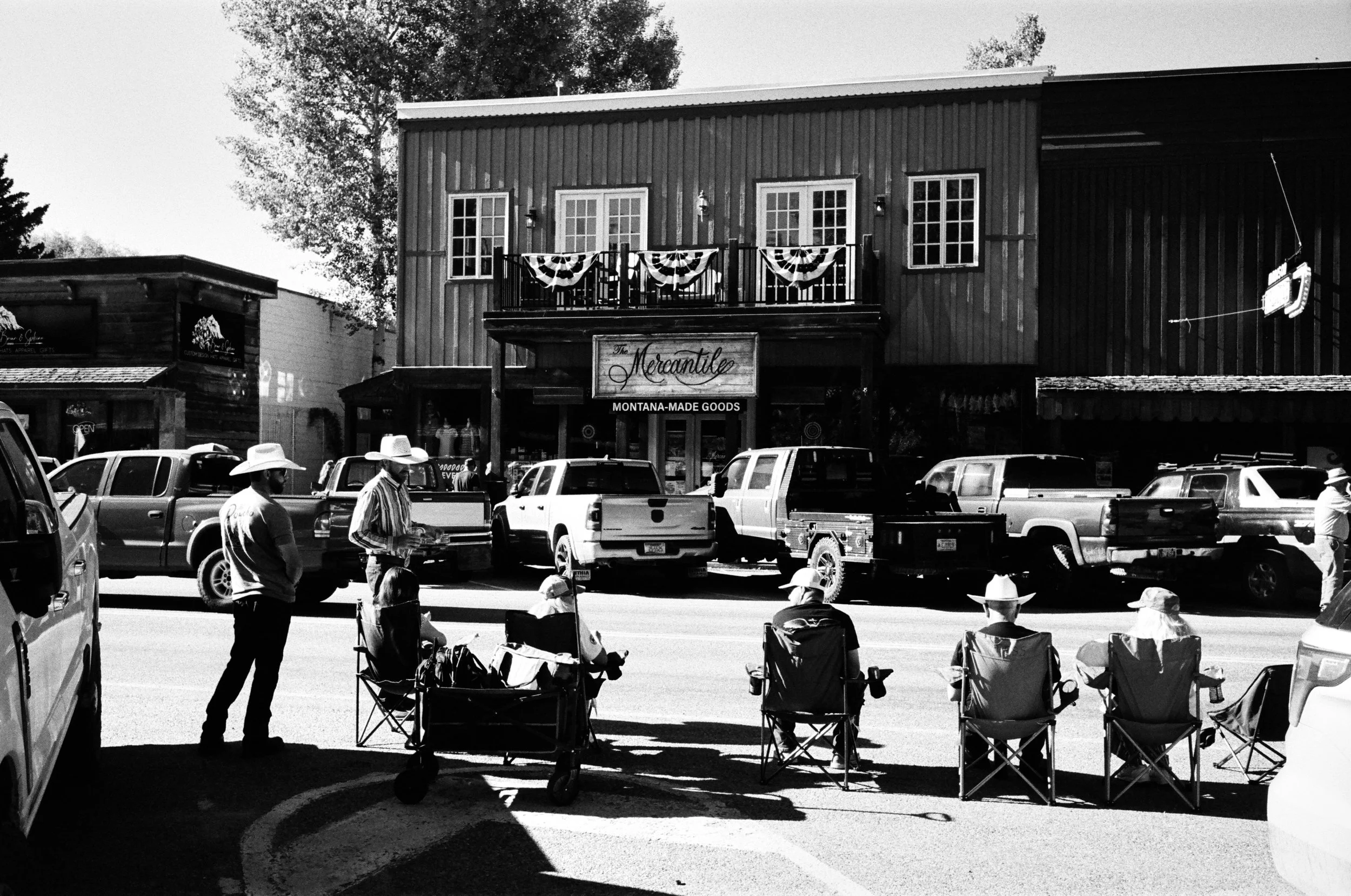
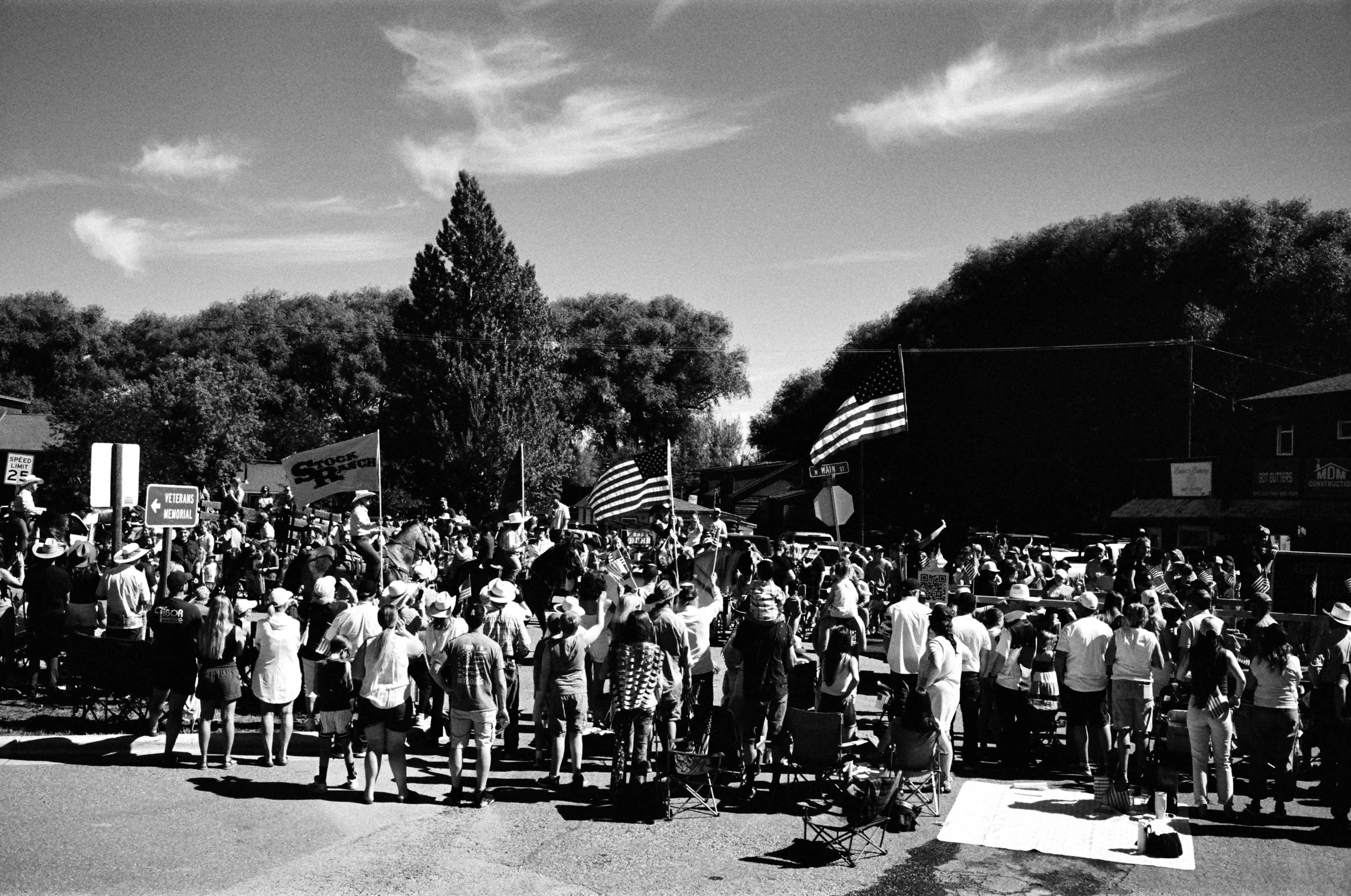
Up at 5 a.m. We drove out to Ennis for its 90th annual Fourth of July parade, themed "Our Town, Our Story," and watched the whole thing from the bed of a pickup truck along Main Street. Horses, tractors, local color. This is what we came for.
Afterward we walked Main Street while the town emptied out, then stopped for a late lunch at Montana Rib & Chop House in Livingston on the drive back. Not on the itinerary, and a good find.
Valley View Rodeo, Bozeman
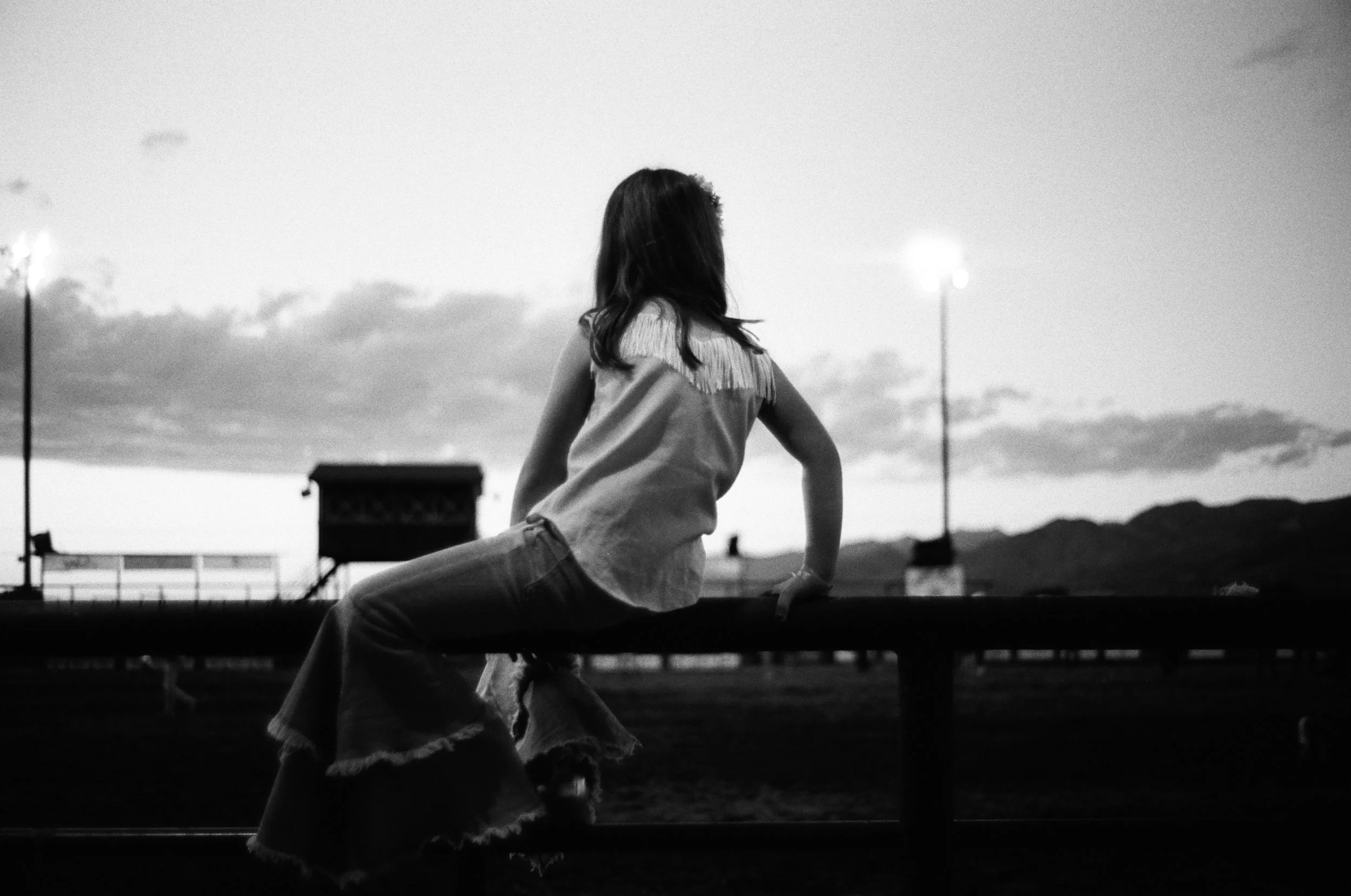
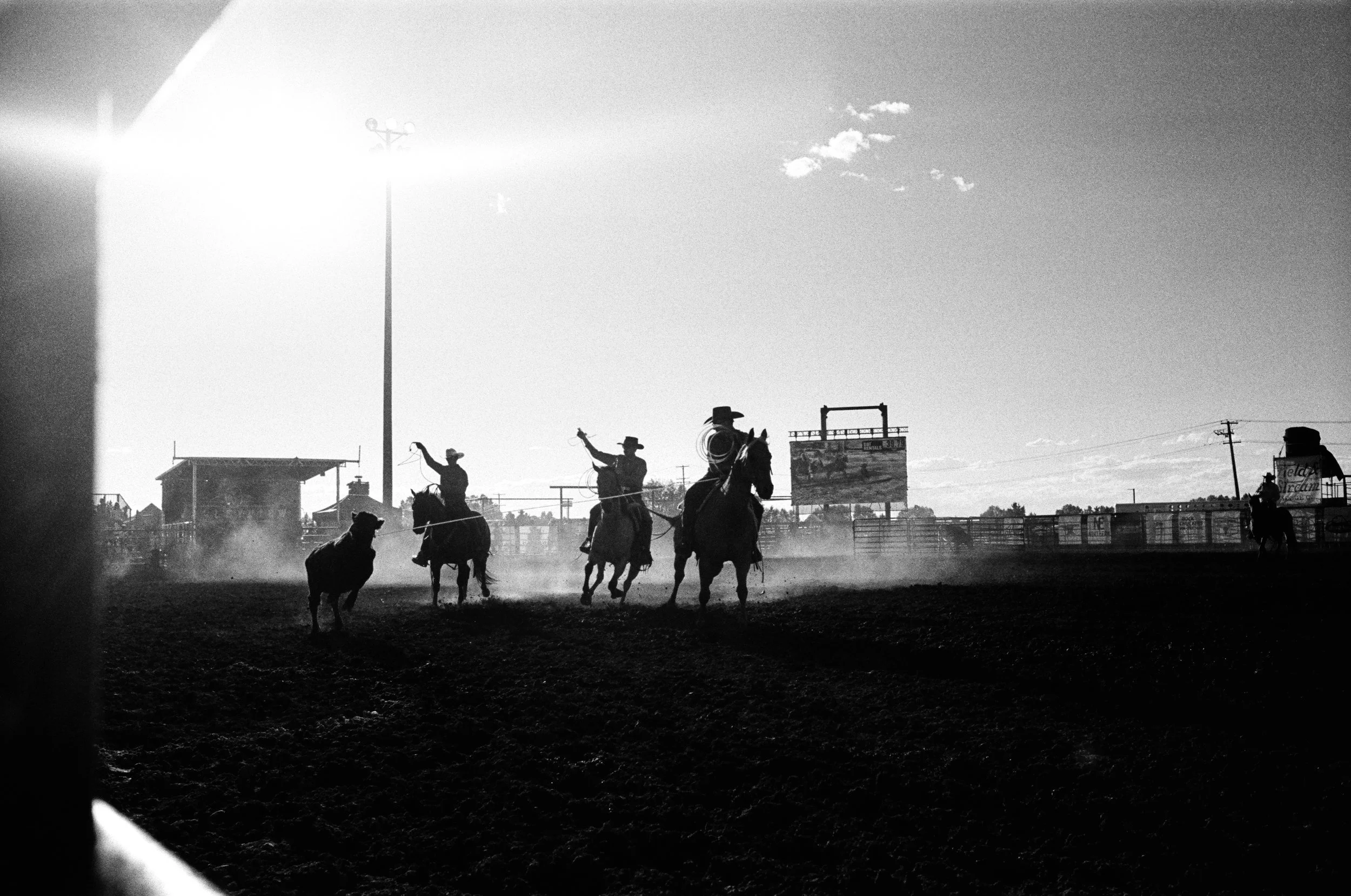
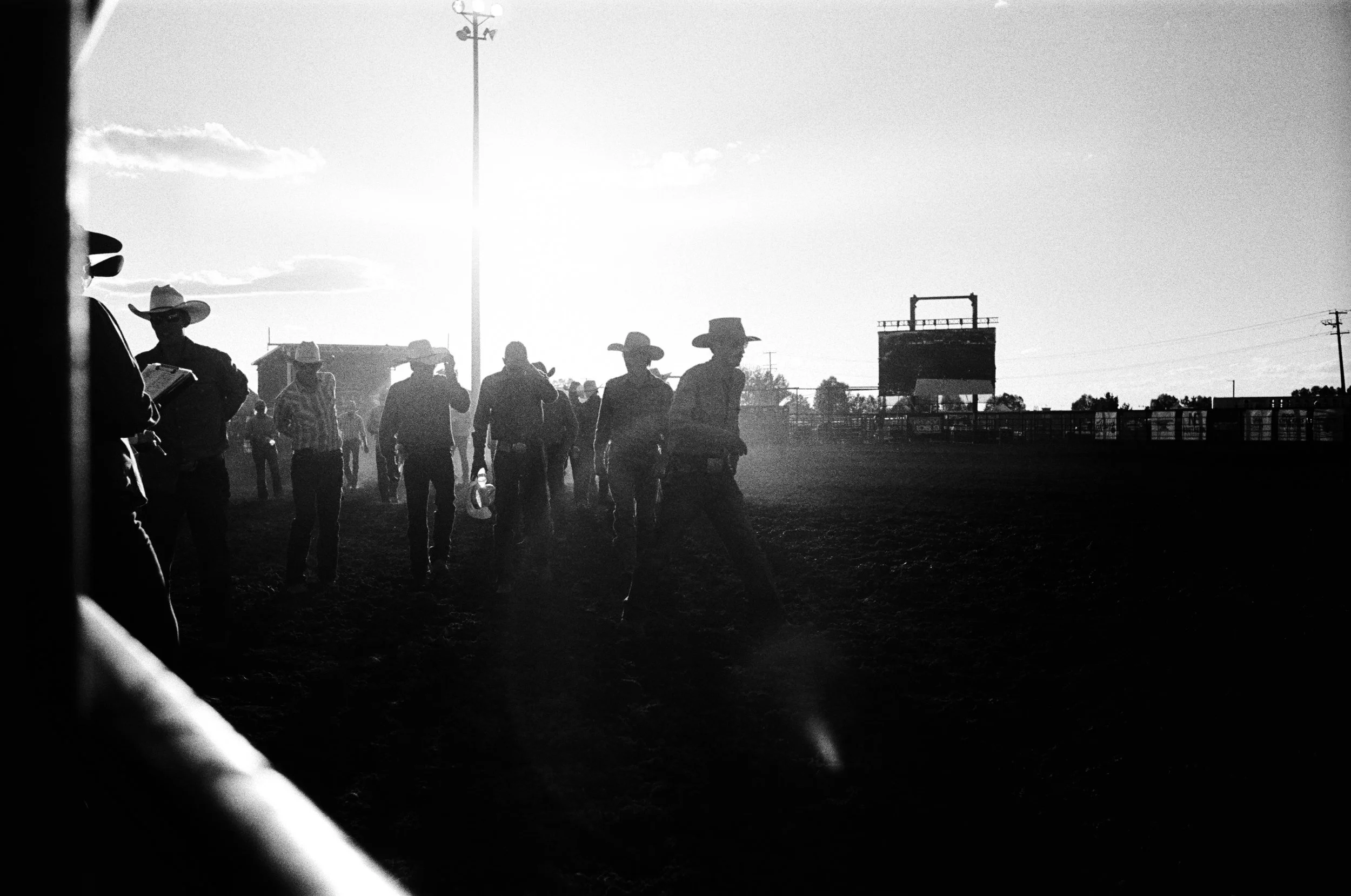
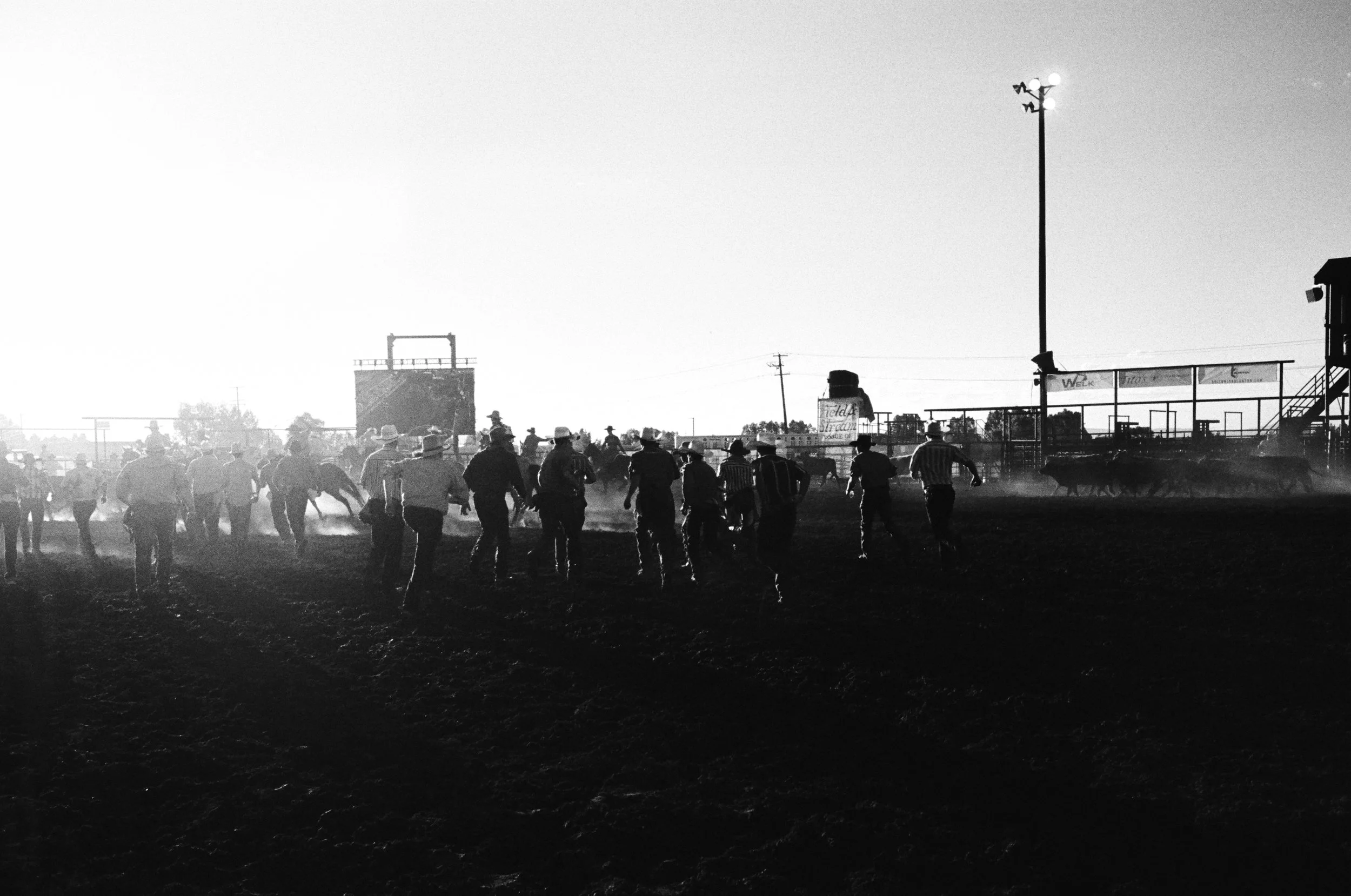
By evening we were back in Bozeman for the Valley View Rodeo at the Gallatin County Fairgrounds: horse bucking, ranch sorting and team penning, mounted acrobatics, even a cow milking contest. Fireworks over the fairgrounds closed the night. It was the rodeo that opened the trip. A week later, another would close it.
Tri-X caught the arena the way it actually looked that evening: sun low enough to drop every rider into silhouette, dust hanging in the light, hats lined up waiting their turn at the chute.
Livingston: Slow Mornings, Home-Cooked Nights
Livingston did more work on this trip than any single national park. It's where we slept, where we ate most nights, and where the rhythm of the trip lived.
A pattern set in almost immediately. Reservation after reservation (J.W. Heist, Bourbon, the Sage Lodge Fireside Room, Bay Bar & Grill, Campione, Fielding's) went unused. Every time, grilling steaks at the house won out. The groceries all came from Town & Country Market in town. It wasn't the plan, but it was clearly the better one.
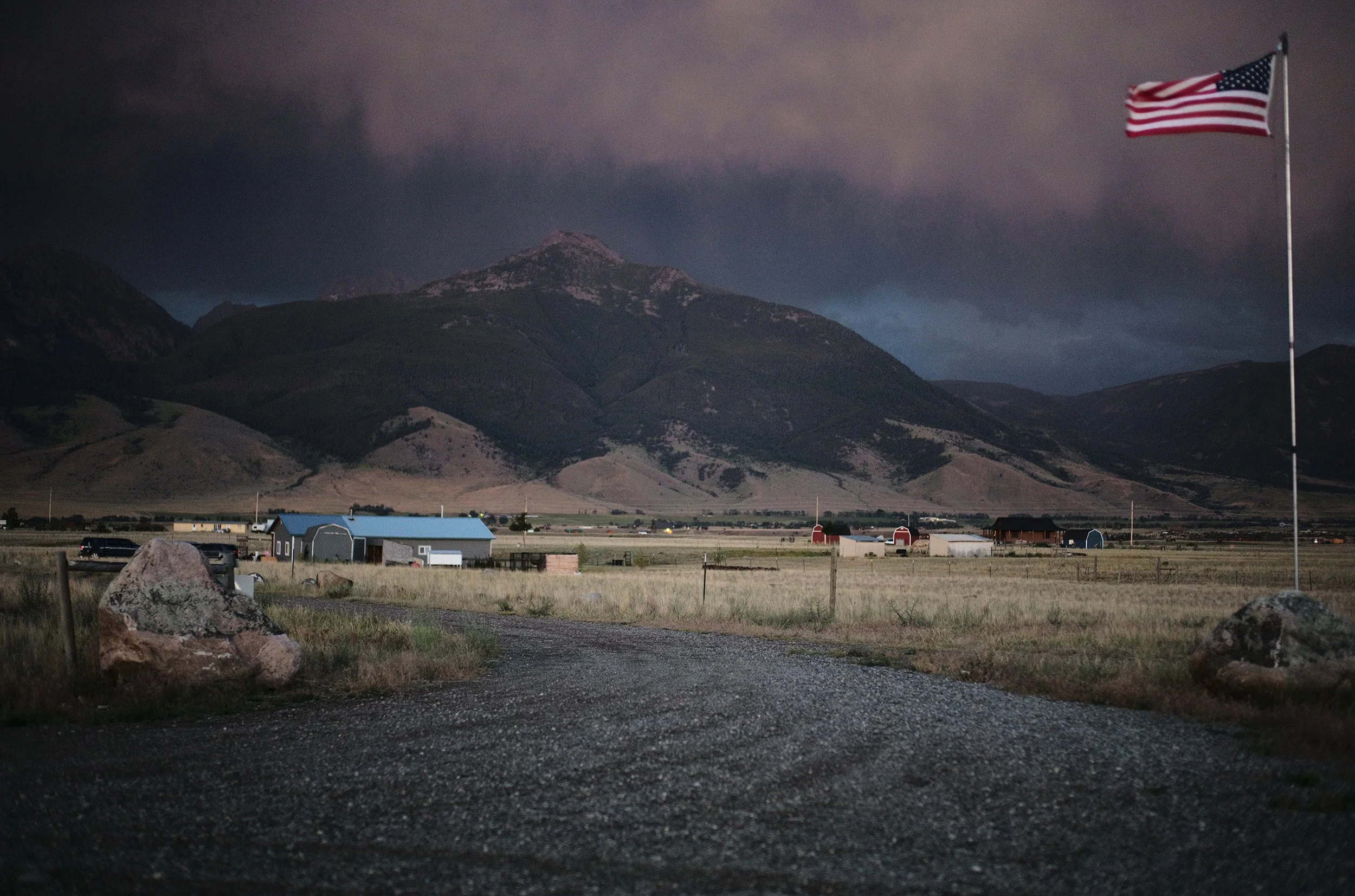
The slower days went to walking Main Street, past the shops that were closed for the parade on the 4th and open by Sunday. We stopped at Murdoch's, Gil's for lunch, Engine Room for deep dish pizza, and Fireflies Pottery for coffee and ice cream. The Livingston Farmer's Market caught us on a Wednesday drive back from Bozeman, an unplanned stop that gave us exactly what we needed.
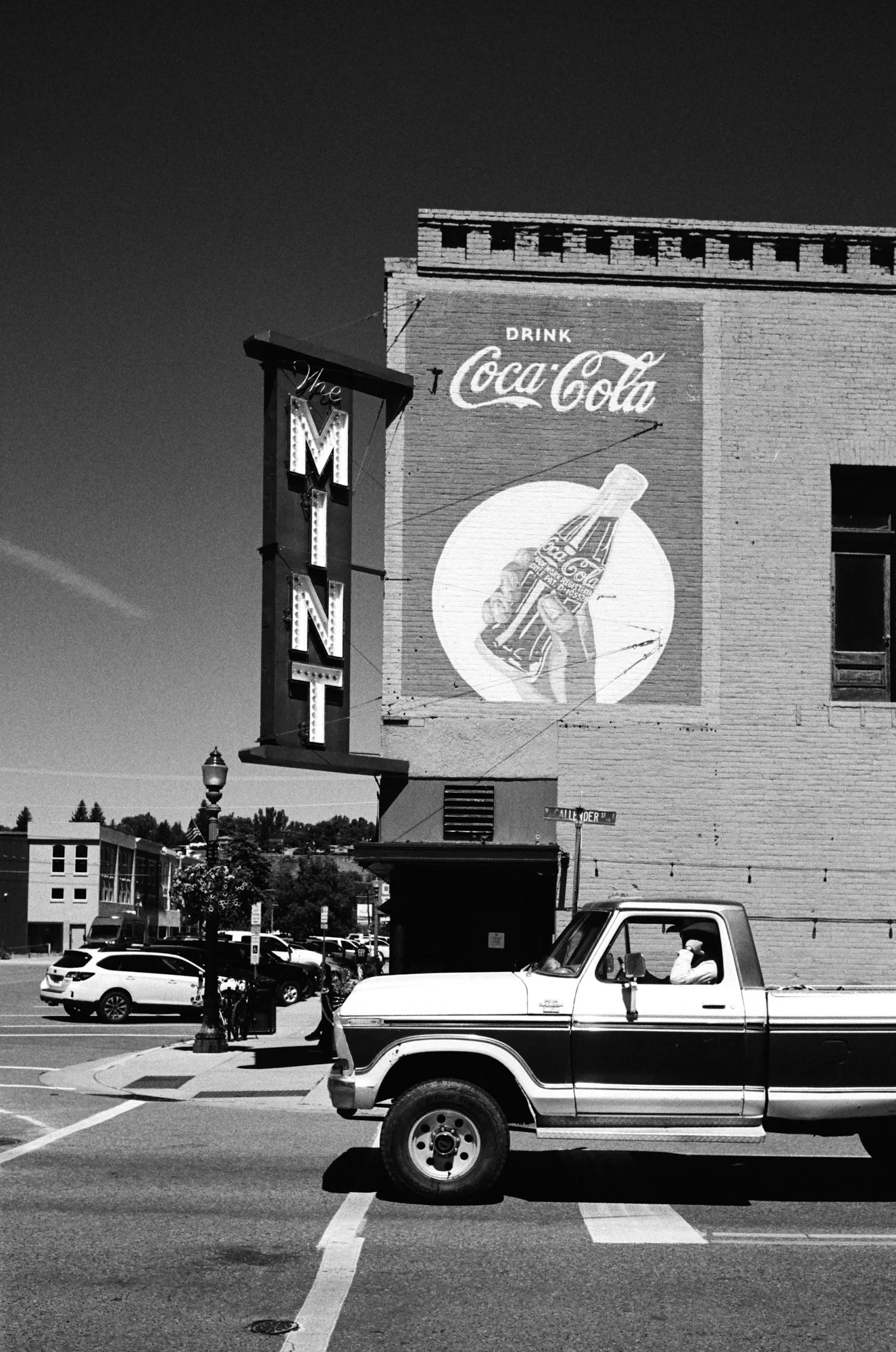
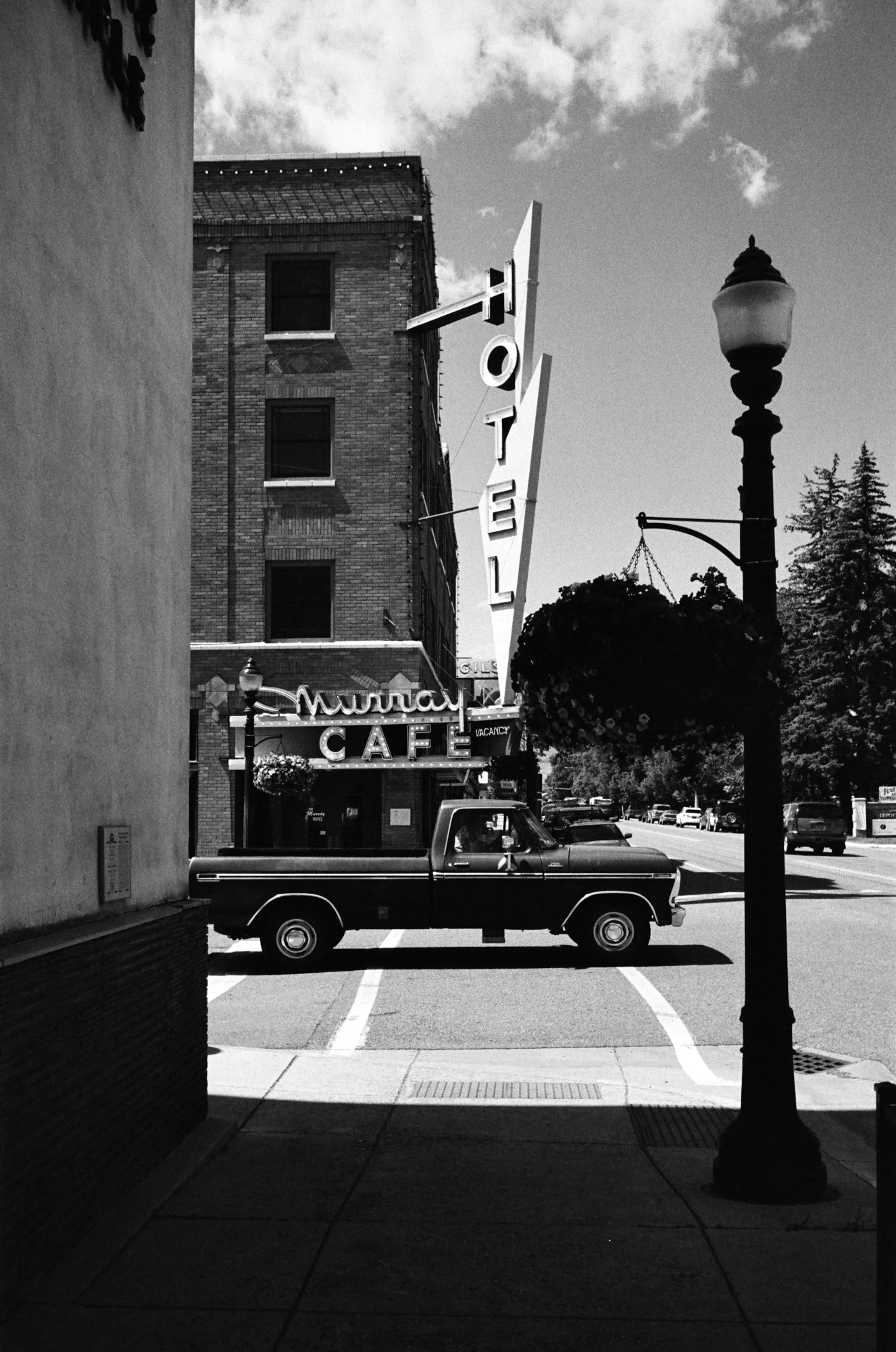
Yellowstone: Old Faithful to Canyon Village
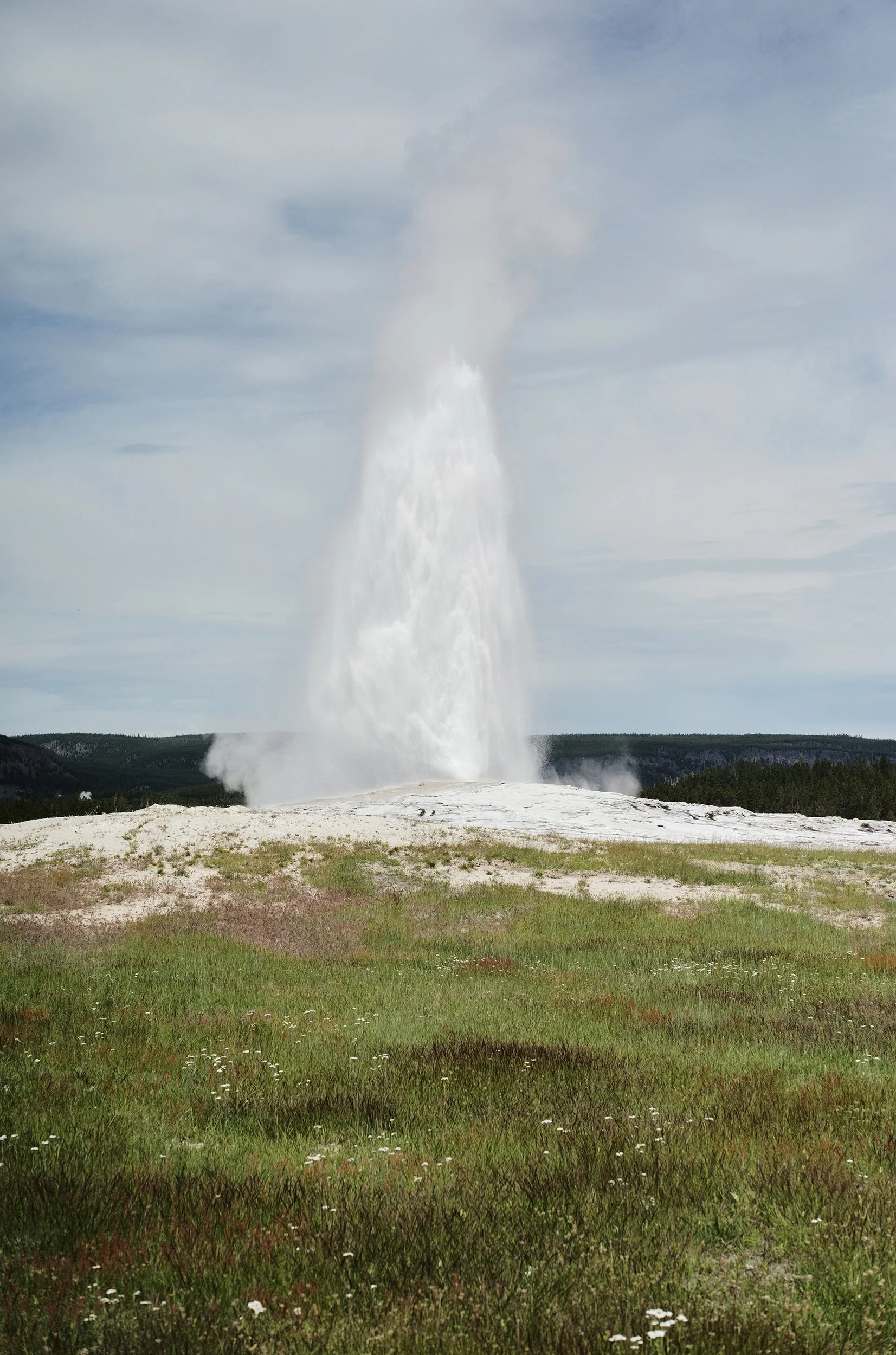
One day, one loop, most of the park's greatest hits. We left the house at 7:30 a.m., drove in through the North Entrance at Gardiner, and reached Old Faithful by 10:30. We parked at the Lodge, had an early lunch, and caught the eruption at 11:40 a.m. right on schedule.
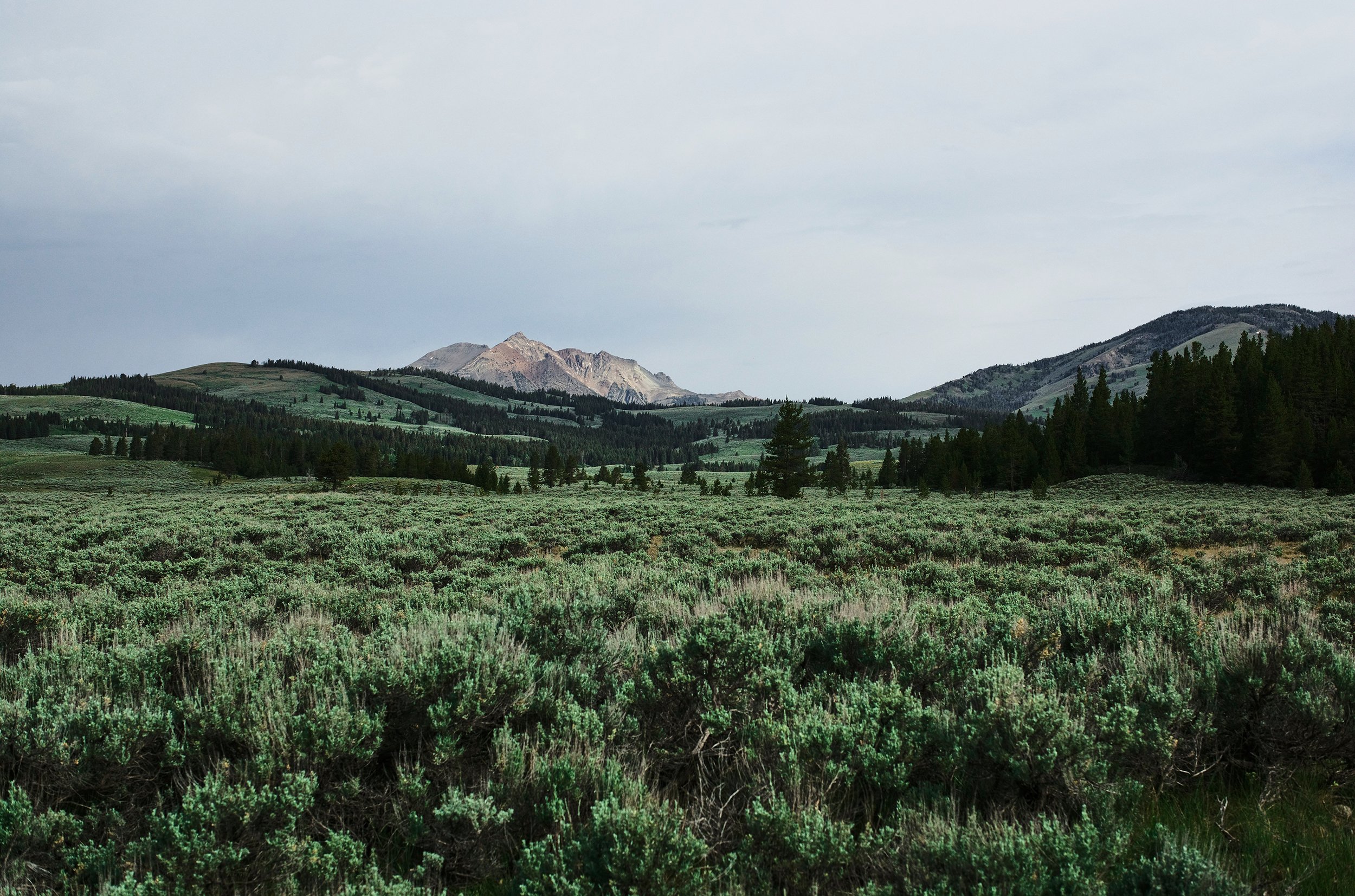
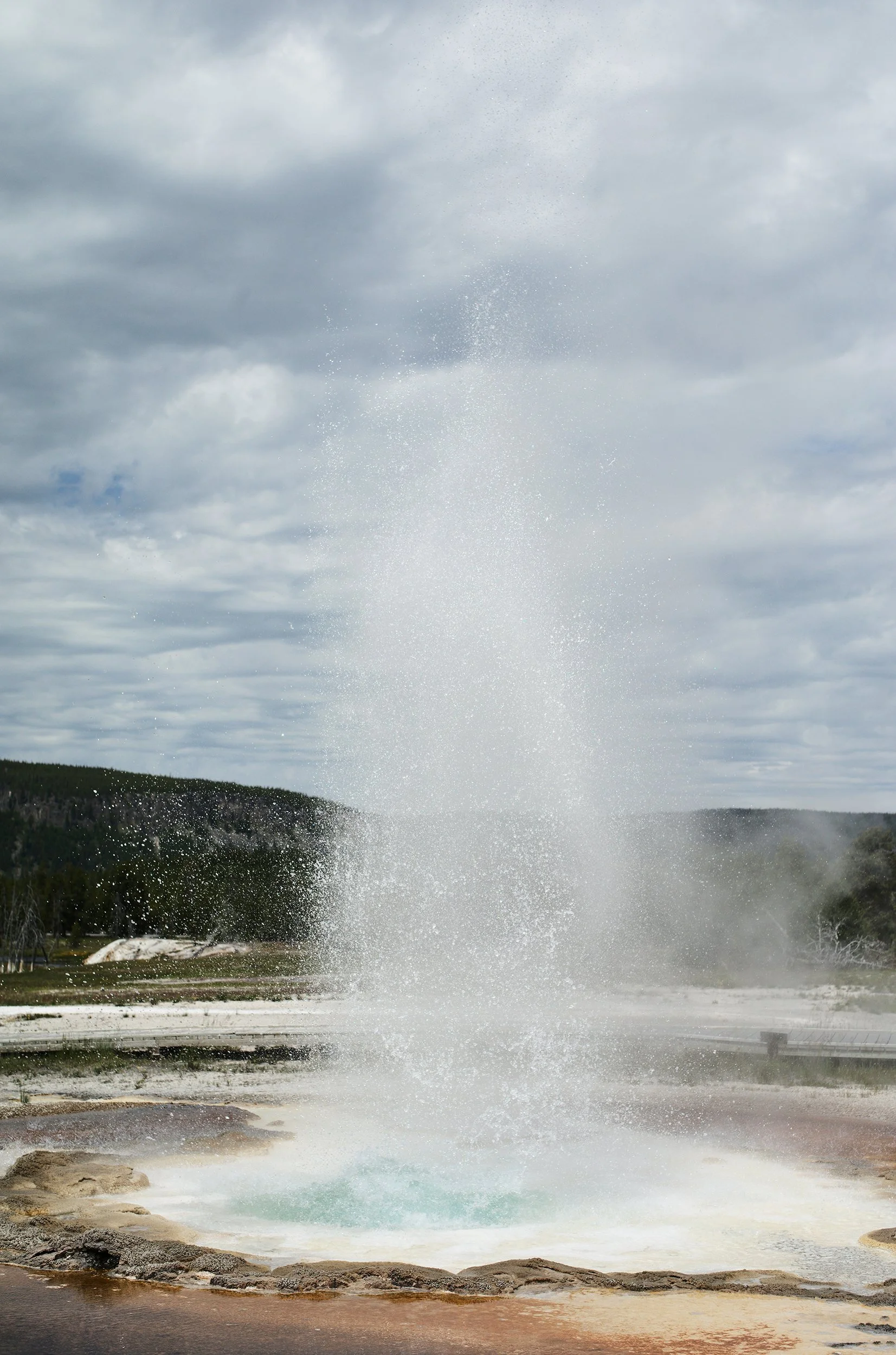
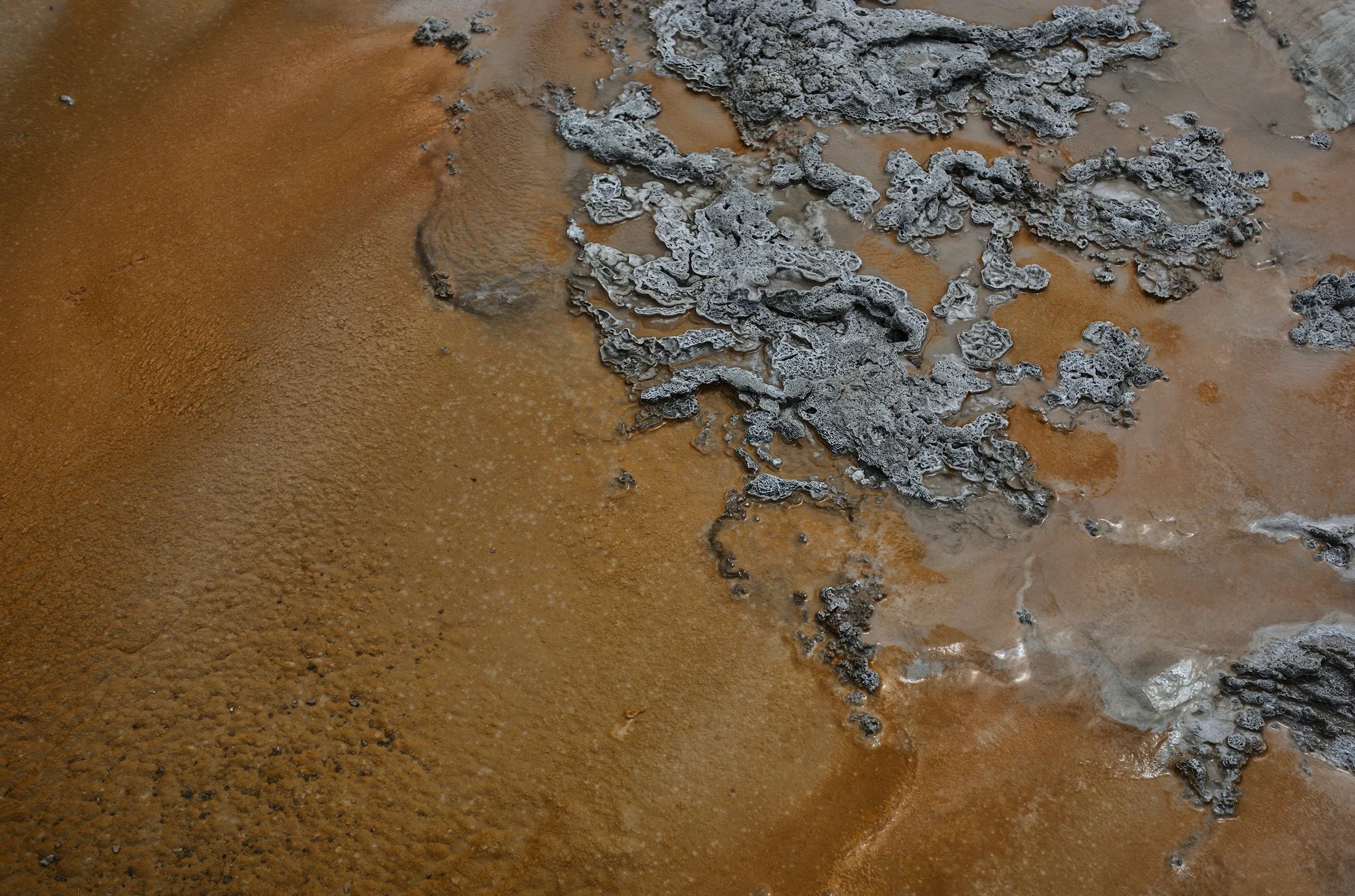
Grand Prismatic Spring came next, a walk around the boardwalks above bands of blue, green and orange that don't look real until you're standing over them.
The drive east toward Canyon Village ran along the Continental Divide and the shore of Yellowstone Lake, with wild bison grazing right beside the road. You can't plan for that. We stopped at Canyon Village to look over the Grand Canyon of the Yellowstone, then made the long drive home through Norris, Mammoth Hot Springs, and back out through Gardiner.
Ranch Days: Alpacas, Draft Horses, and a Horsemanship Lesson
Montana in summer is animals as much as geography, and we built two days around that.
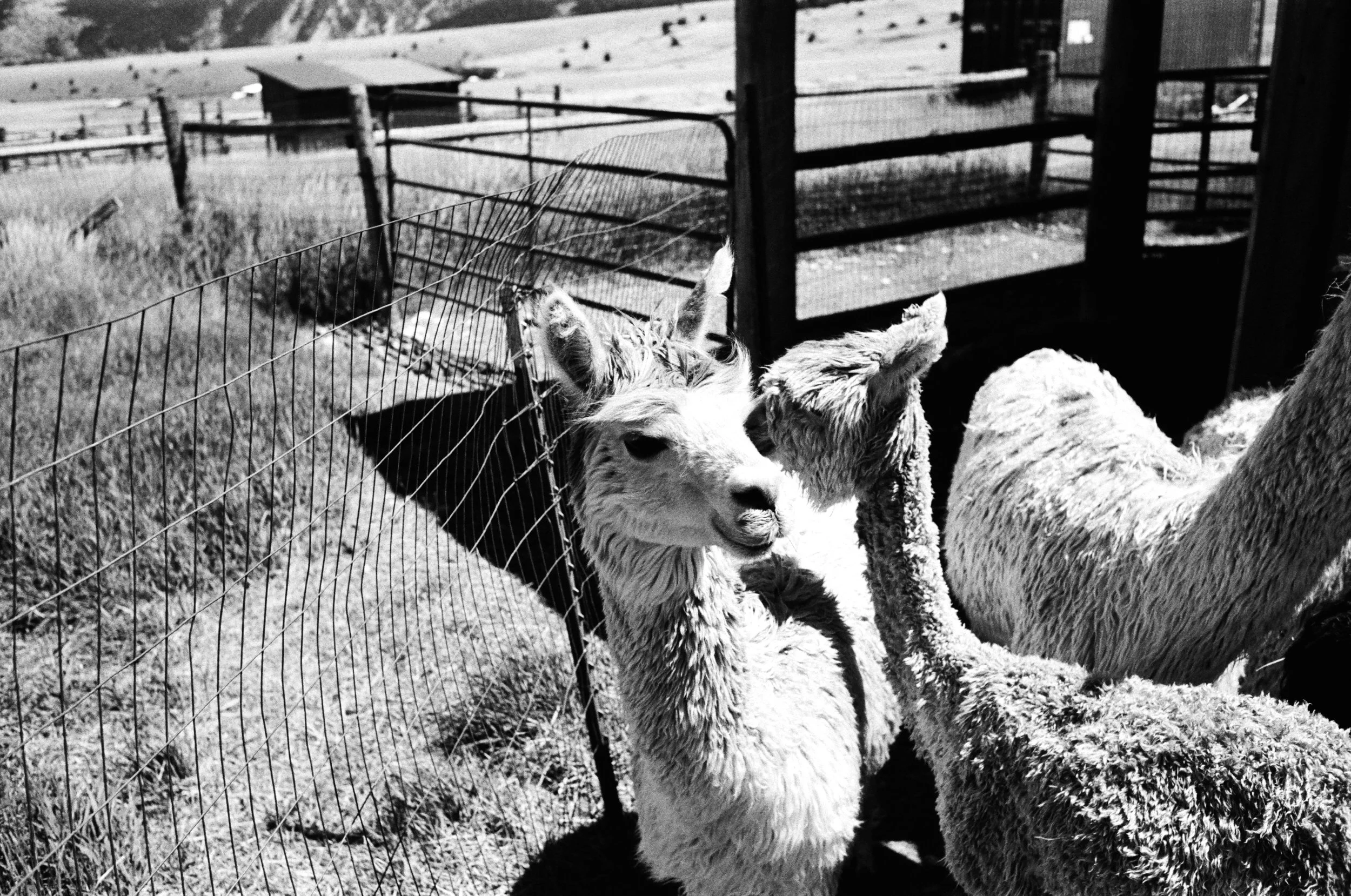
At Alpine Vista Suri Alpacas outside Livingston, we spent an afternoon on a working farm tour, hands-on and unhurried. We followed it with United In Light Draft Horse Sanctuary, where the Belgians, Percherons, and Clydesdales were the highlight of the day, especially for the kids.
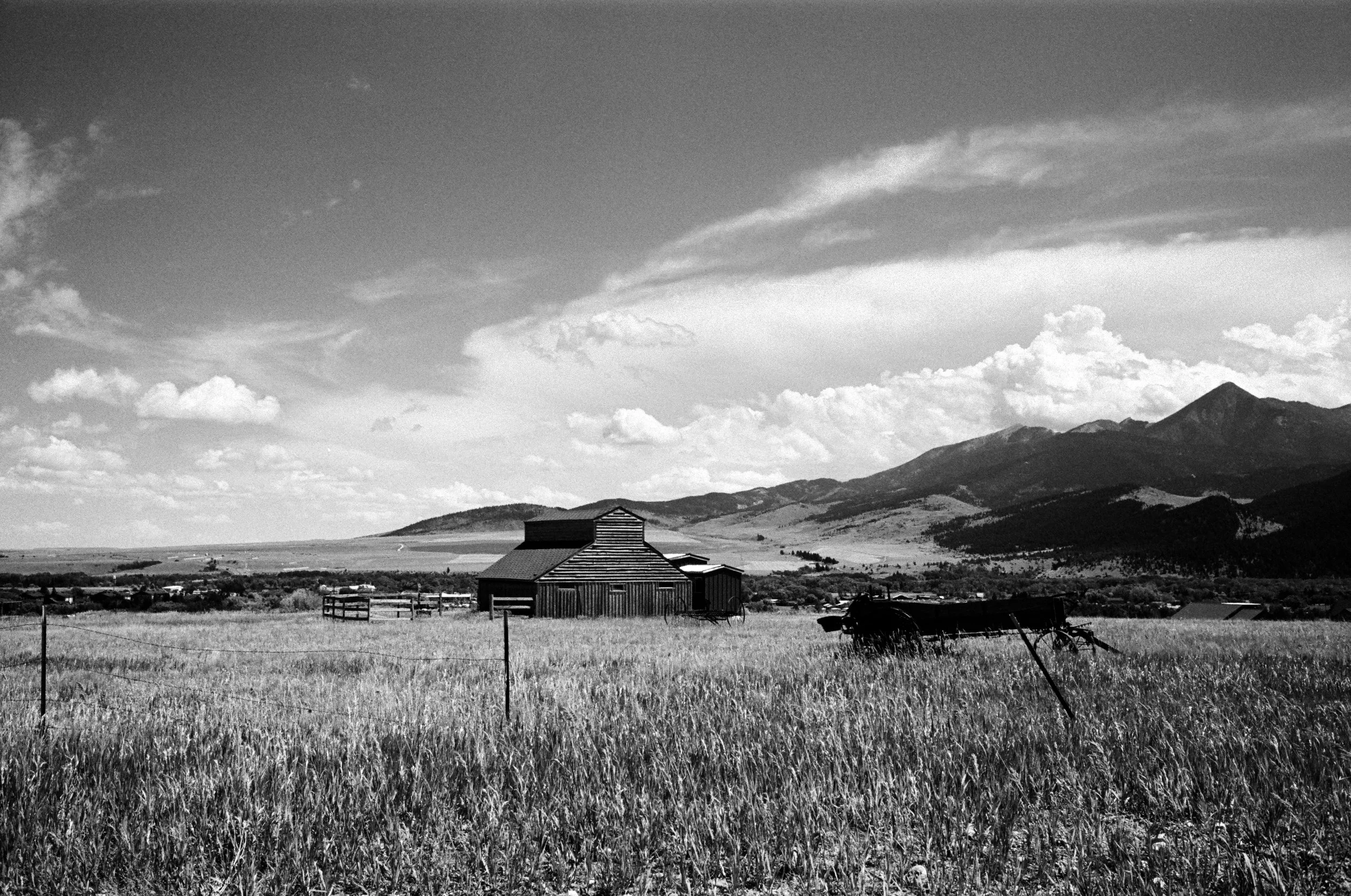
Toward the end of the trip, a beginner horsemanship lesson at Cedar Ridge Equine gave the whole family time in the saddle instead of watching from a fence line. It was the second-to-last-day highlight.
The Beartooth Highway and Lamar Valley
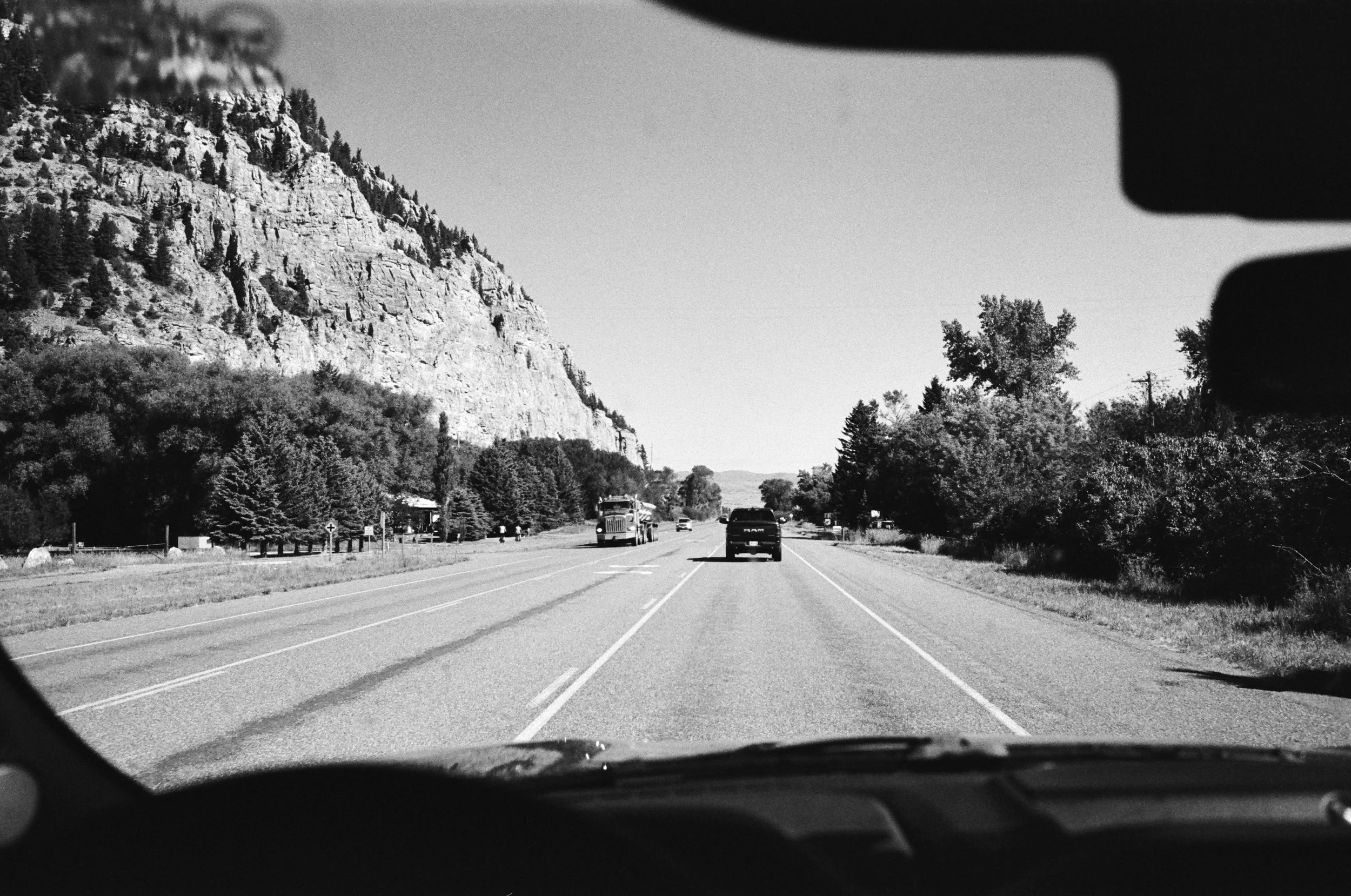
This was the day the trip earned its mileage. We left Livingston at 9:30 a.m. for Red Lodge, strolled the historic Main Street, shopped, and had lunch before pointing the F-150 up the Beartooth Highway. It's one of the most scenic drives in the country: switchbacks climbing above tree line, then a drop into Yellowstone through the Northeast Entrance.
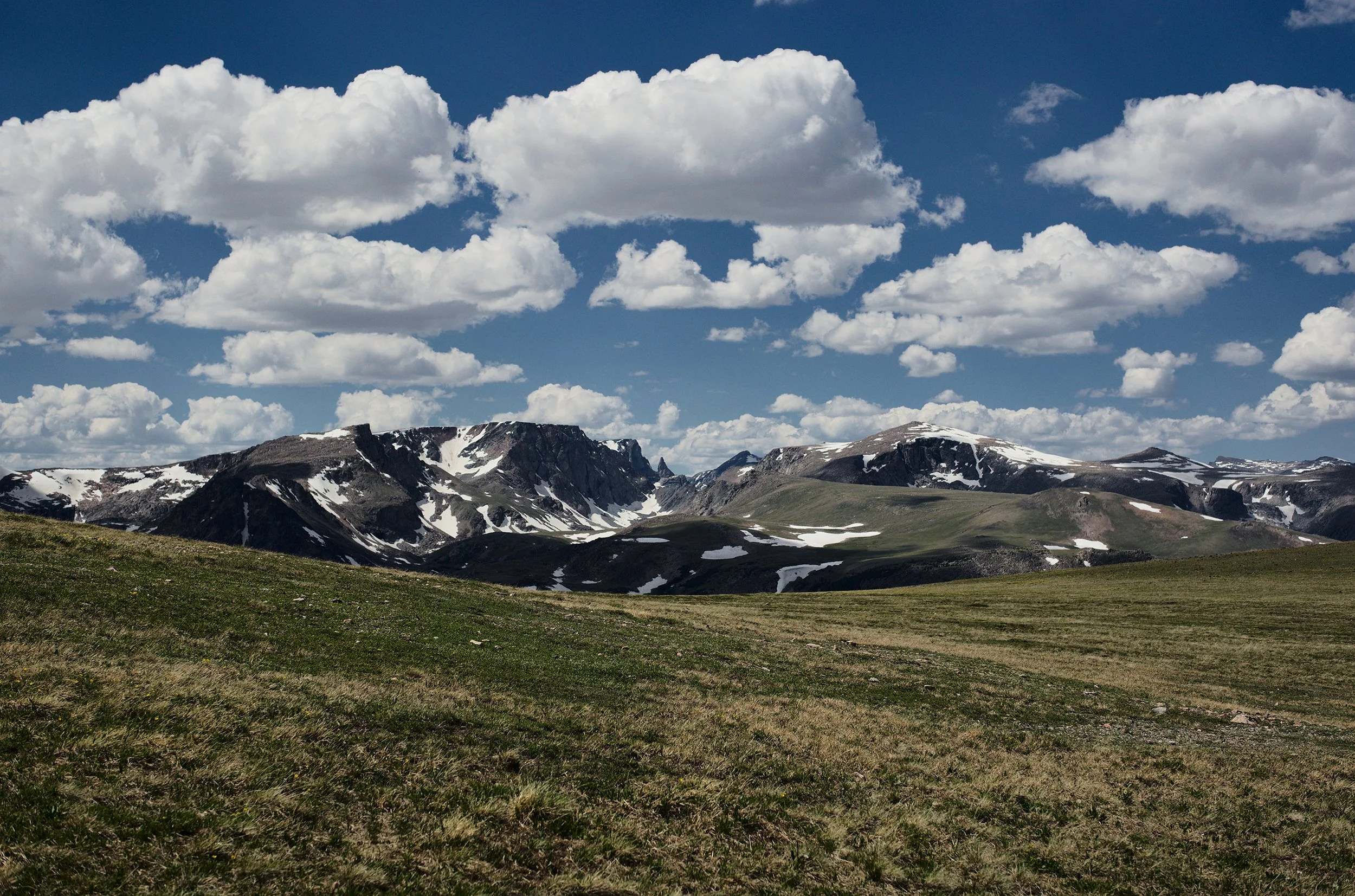
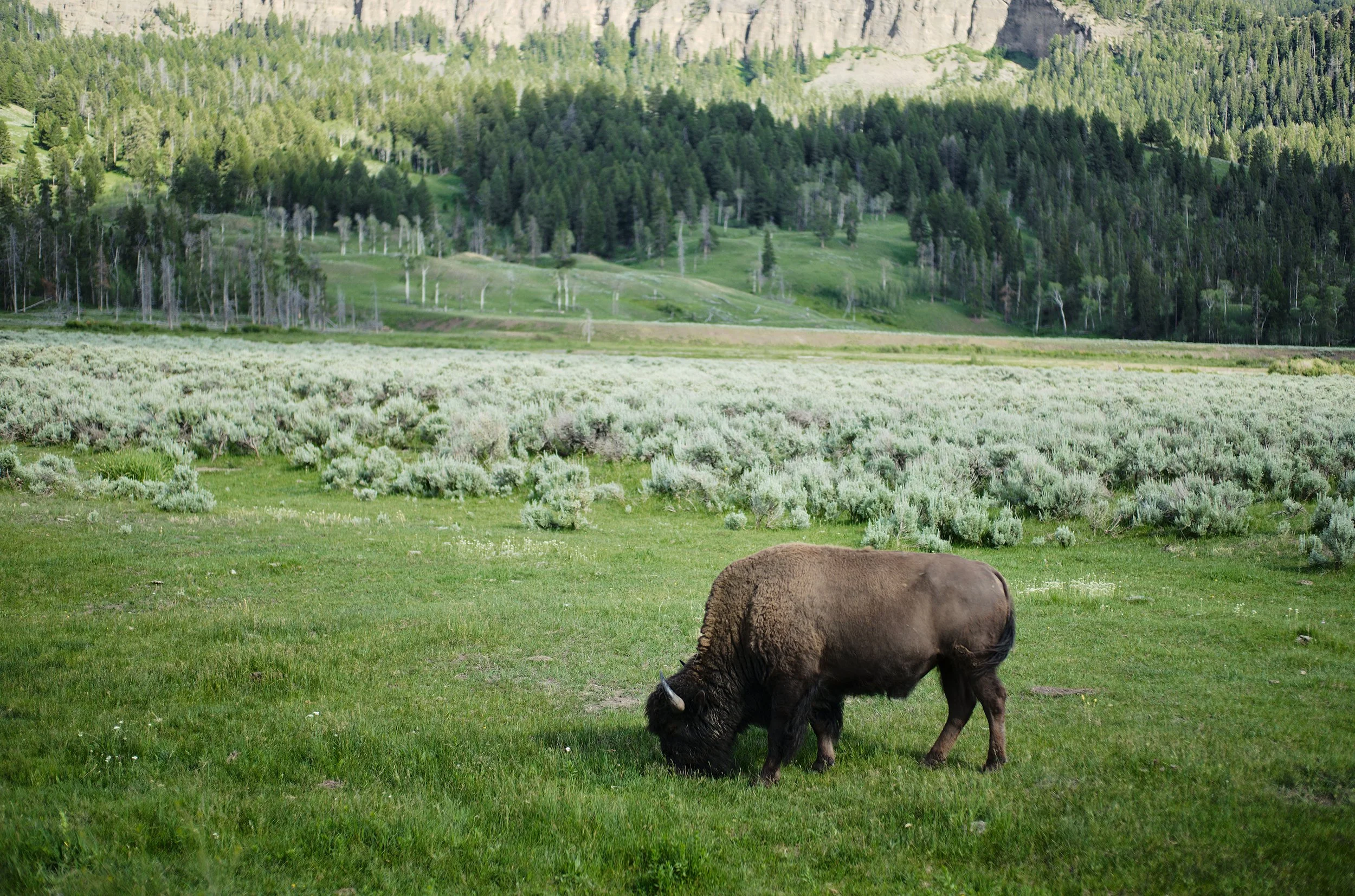
Coming back through Lamar Valley, we saw what the valley is famous for, a grizzly and bison. Neither was planned and both were exceptional.
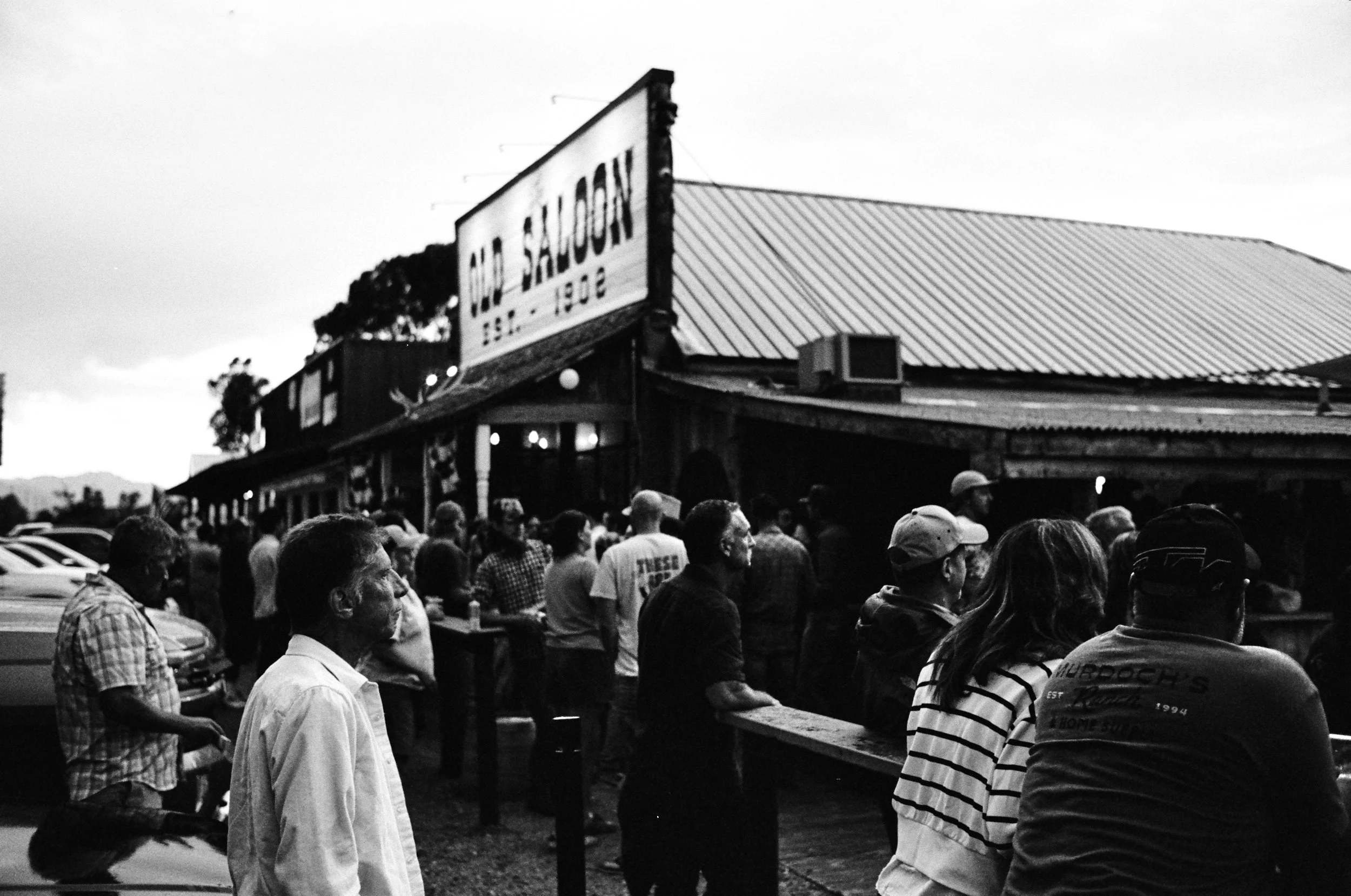
Dinner at the Old Saloon in Emigrant had been cancelled earlier in the planning, but we went anyway. It closed out a day that ran from 9:30 in the morning to 10 at night.
Floating the Yellowstone River
A quieter morning. The Rowdy River Scenic Float met at a put-in outside Pray in Paradise Valley, and we drifted down the Yellowstone River on a relaxed, family-friendly trip.
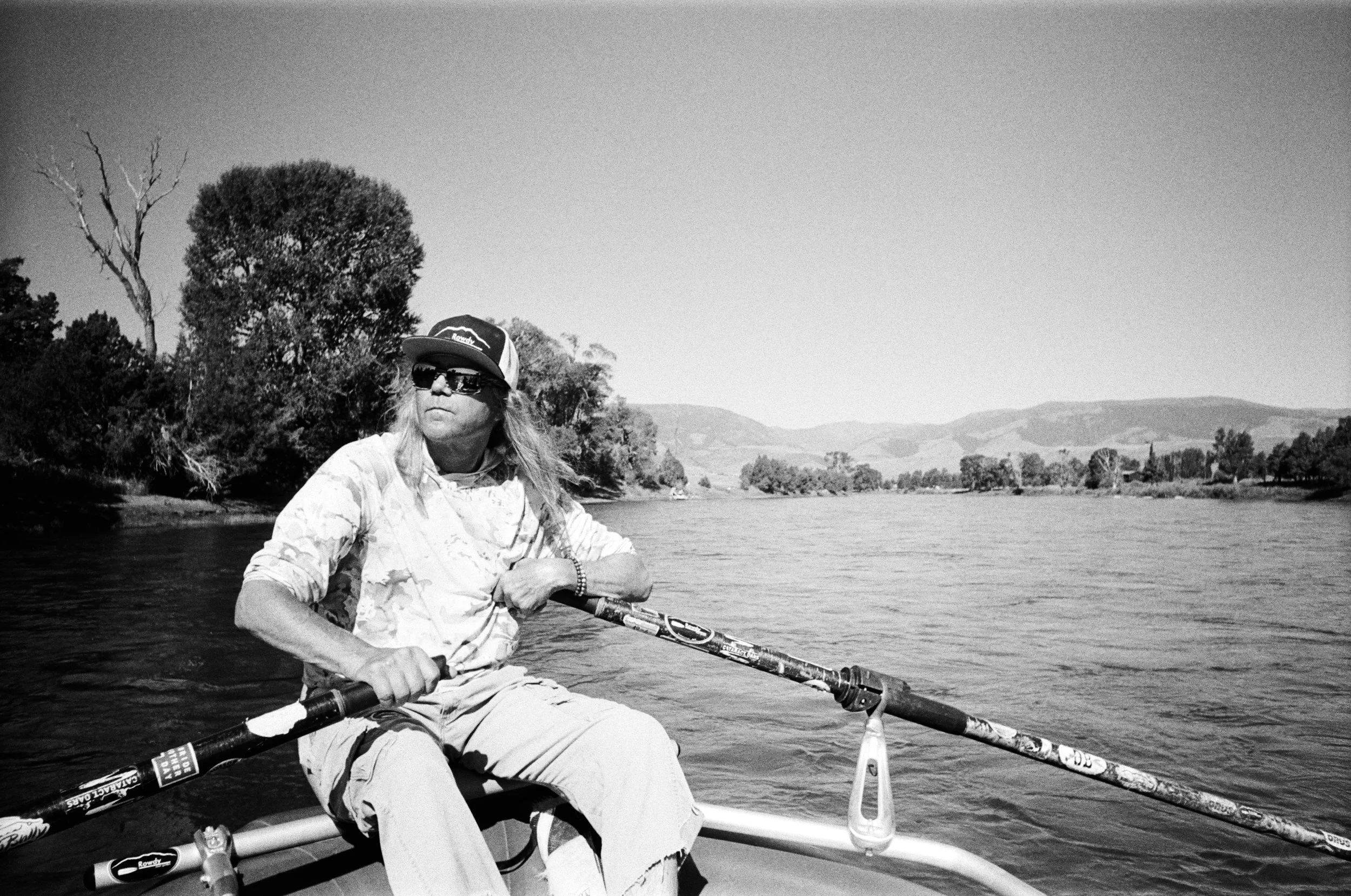
It was the kind of morning the trip needed between bigger days: no itinerary, just current.
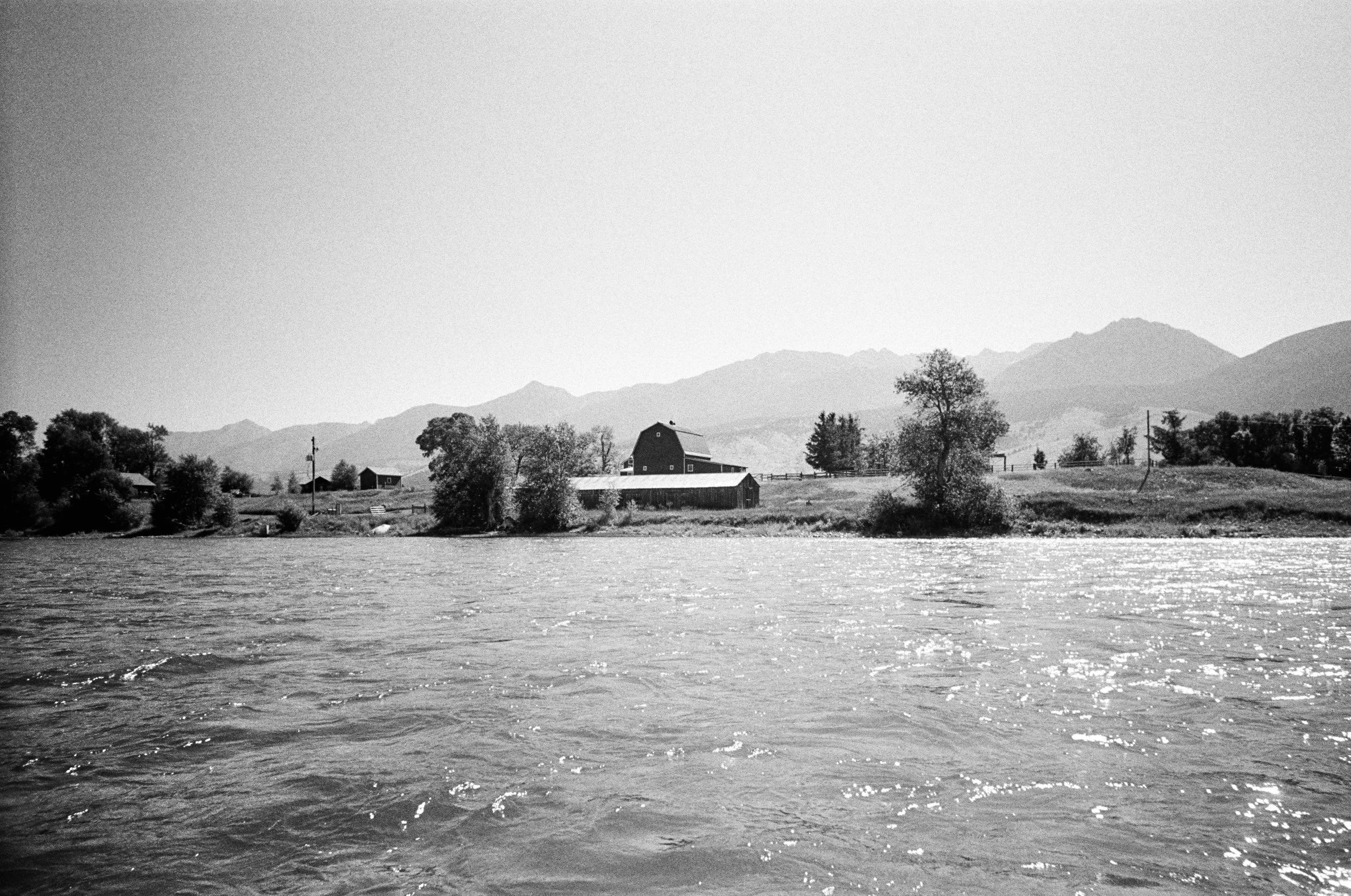
Sandwiches from Matt's Old Fashioned Butcher Shop & Deli afterward, then the Museum of the Rockies in Bozeman. The dinosaur fossils and the planetarium made a good change of pace after a morning on the water.
Bozeman: The Polished Side
Bozeman played the supporting role: the airport, a historic downtown for lunch and shopping, Wild Crumb Bakery for pastries after the horsemanship lesson. It's the part of Montana with the polished image.
Closing Night: The PBR Rodeo in Livingston
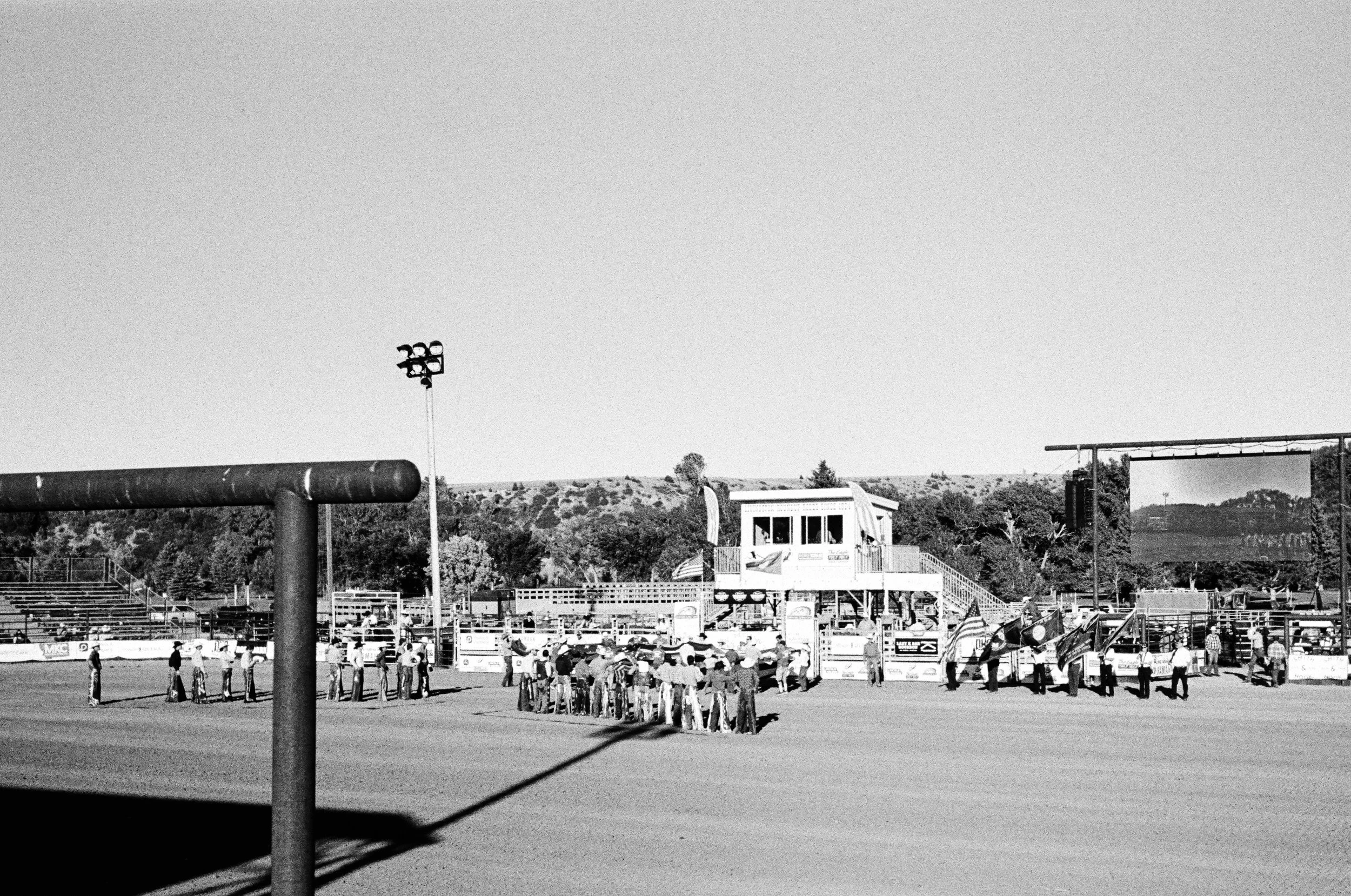
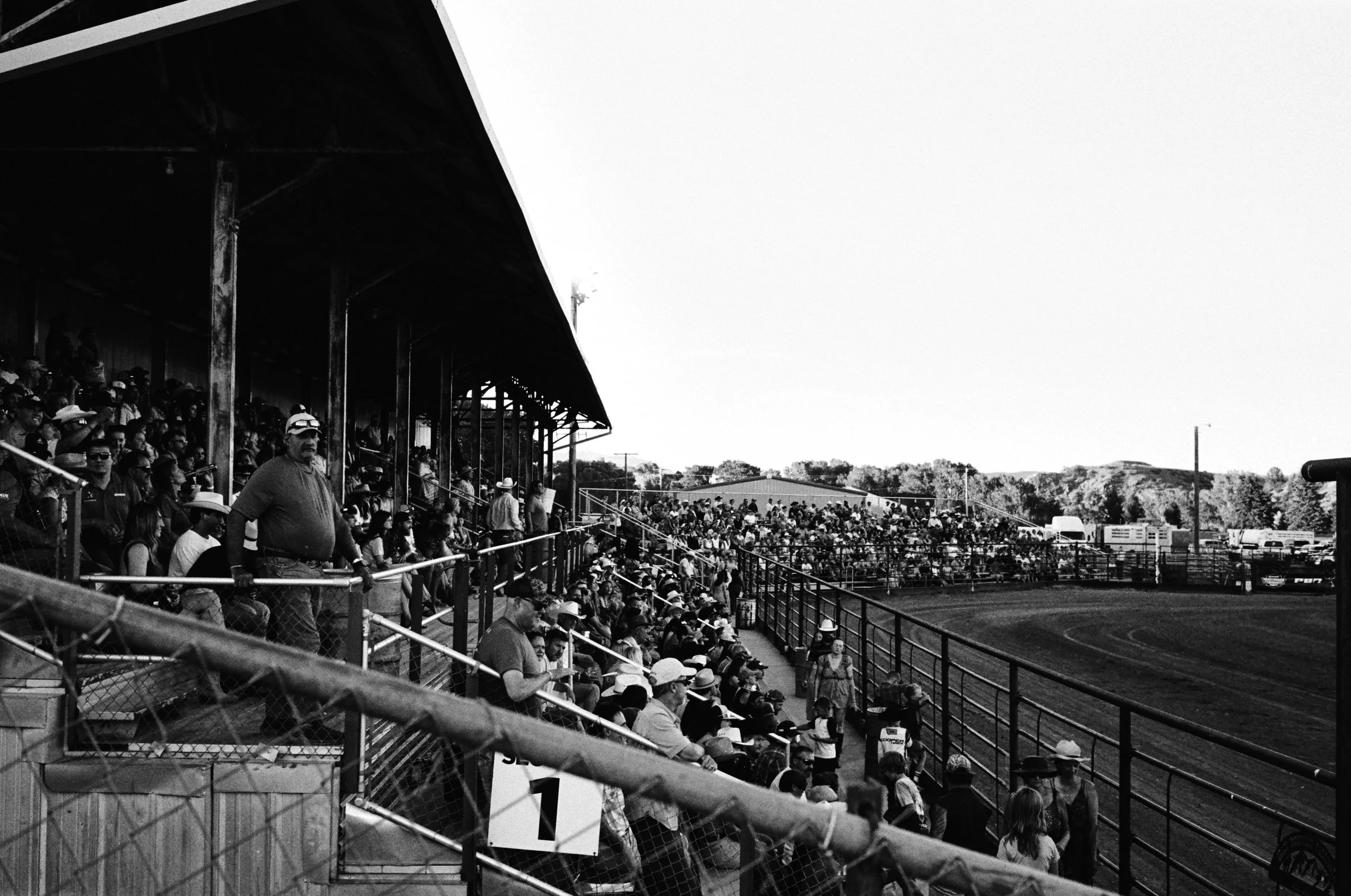
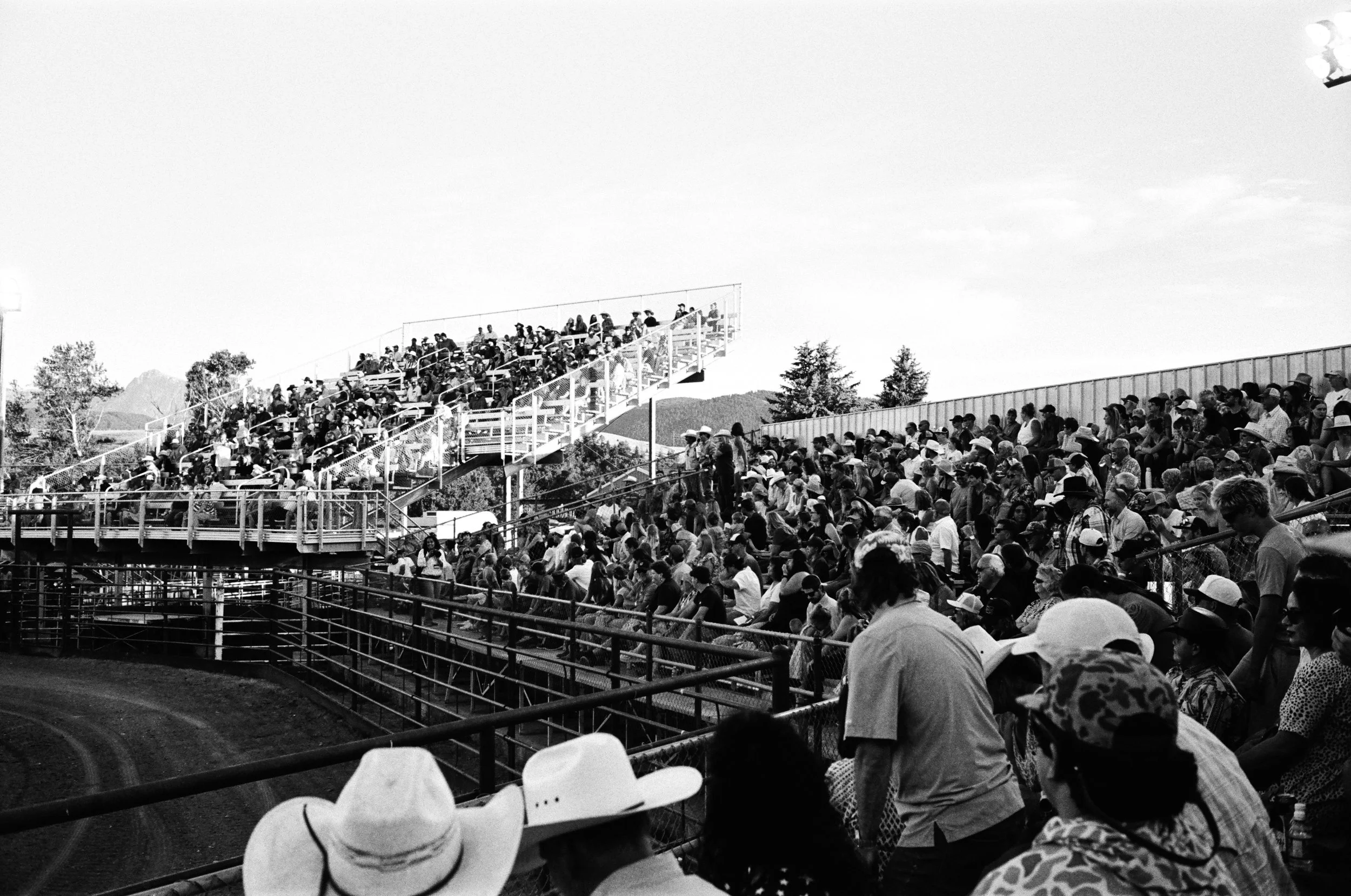
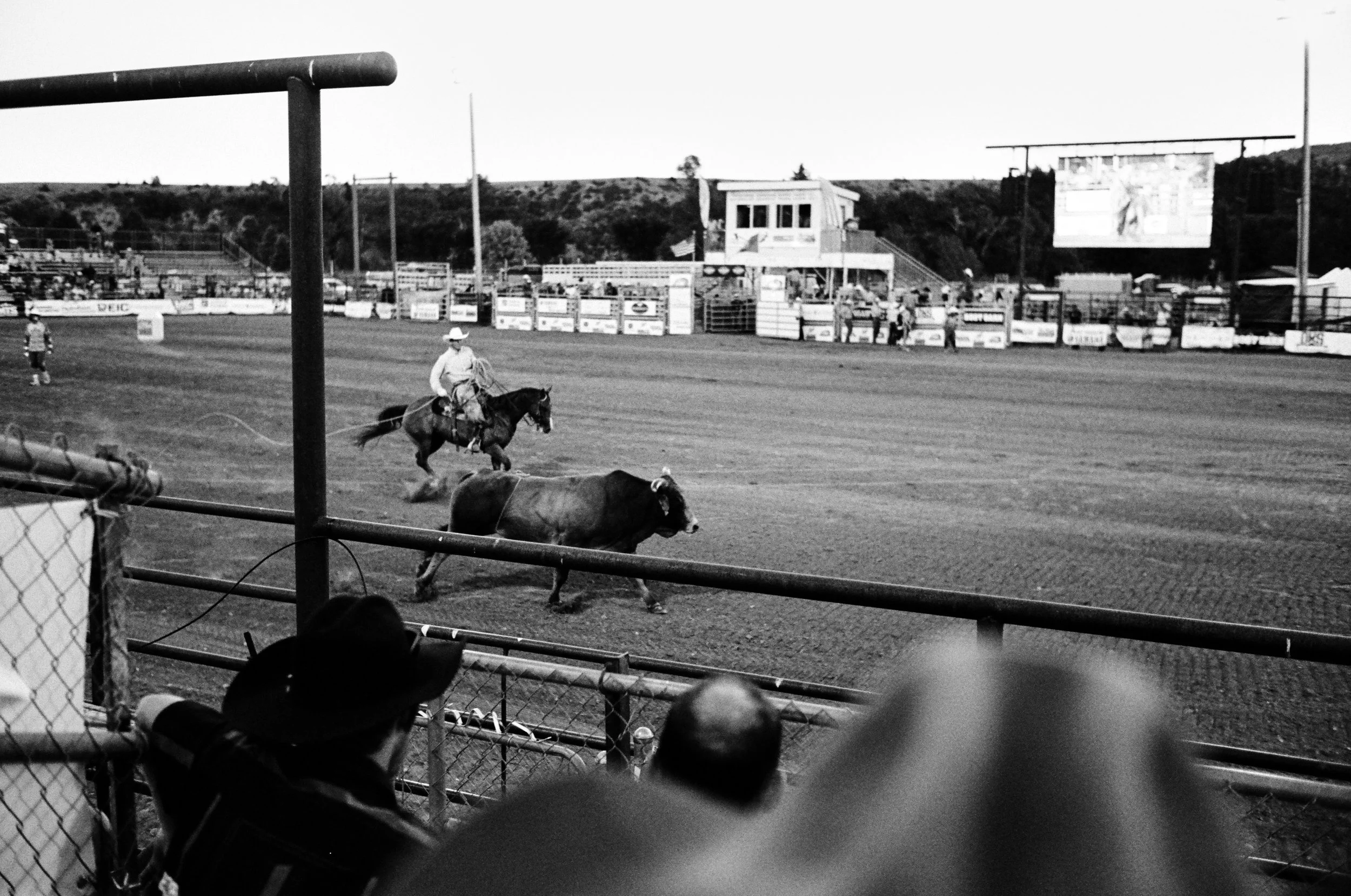
The last full night, the J.W. Heist farewell dinner reservation went unused again, and we went to the PBR Rodeo in Livingston instead. It felt right in a way that was hard to argue with. The trip had opened on the Fourth with a rodeo in Bozeman, and a week later it closed with another one, this time in the town that had been our home base all along.
Then it happened again. The colors were presented, the anthem played, and the grandstand stood, hands and cowboy hats over hearts. Same ritual, a week apart, in a different town. That was the bow on the trip, and neither of us had planned it.
Why Tri-X, Not an Homage
It's tempting to call this an Americans homage: black and white, small towns, a road trip through the middle of the country. But Frank's pictures work because of distance. He shot as an outsider looking for the cracks, and the flag in his frames is often half-hidden. That isn't what came back from Montana.
The Sedona trip was a desert that stayed red no matter how you shot it, so Ektachrome rendered what was already there. Montana asked for something else: a parade route that looks the way it would have fifty years ago, dust hanging in the light at a rodeo. Color would have dated it. Black and white didn't.
The reason isn't Frank's reason, though. These frames weren't made to find the melancholy under the symbols. They were made to photograph those symbols straight: a flag against the sky, a parade watched from the bed of a pickup truck, no irony.
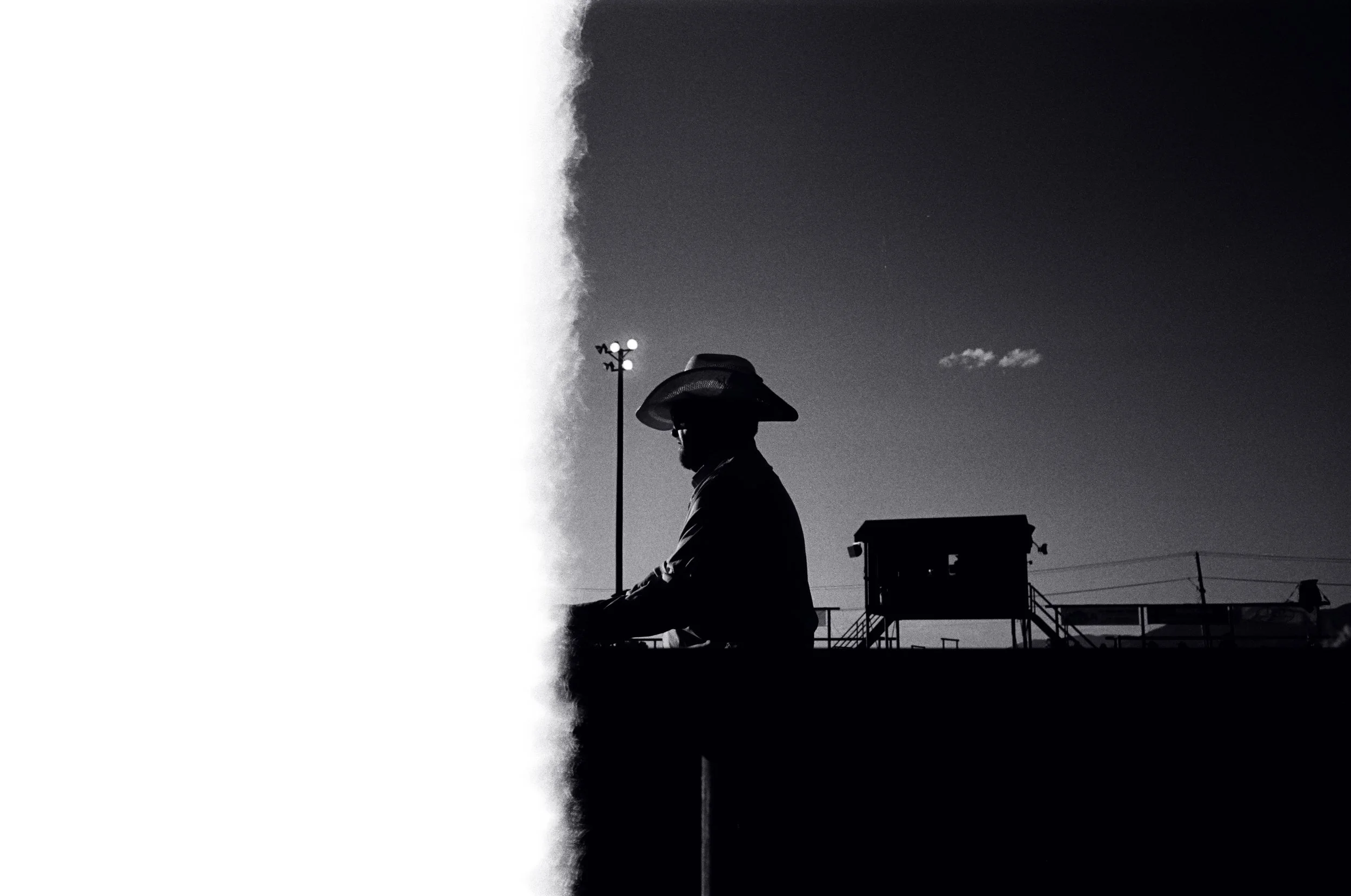
Tri-X handles Montana's light without asking for much. It has wide latitude and holds up in harsh sun and low evening light alike. I shot the Leica MP with the Summilux 35mm steel rim for nearly everything: parades, rodeos, ranch work, highway stops. The M10-R, with the Summilux 50mm and Summicron 35mm, took the color frames, where color was the point: the geysers and hot springs of Yellowstone, the Beartooth plateau, a bison in the grass. Roughly fourteen rolls of Tri-X and two cameras, one tri
The Gear
Cameras: Leica MP (film rangefinder), Leica M10-R (digital) Lenses: Summilux 35mm f/1.4 ASPH steel rim reissue; Summilux 50mm f/1.4 ASPH; Summicron 35mm f/2 ASPH Film: Kodak Tri-X 400 (black & white) Vehicle: Ford F-150 4x4 Off-Road
Final Take
Ten days, 1,510 miles, and not one of them felt like it was chasing an itinerary. The plan mattered less than the willingness to let a farmer's market or a saloon reservation that never should have worked out become the better version of the day.
We went looking for a Fourth of July that still looked the way it's supposed to — parade dust, a rodeo under the lights, fireworks over a fairground — and Montana delivered it without irony. Bozeman gave us the polish; everywhere else gave us the rest. It opened with a rodeo in Bozeman and closed with one in Livingston, and everything in between — the grizzly in Lamar Valley, the farmer's market, the cancelled dinners — filled the space between them.
Politics aside, America is still America out here.
Frequently Asked Questions
When is the best time to visit Montana for the Fourth of July?
Early July is Montana's peak summer window, with long daylight and small towns running parades and rodeos for the holiday. We spent the Fourth at the 90th annual Ennis parade in the morning, then at the Valley View Rodeo and fireworks at the Gallatin County Fairgrounds in Bozeman that night. Book lodging well in advance, as the holiday week is among the region's busiest.
Is Livingston or Bozeman the better base for a Yellowstone trip?
Livingston sits closer to Yellowstone's north side via Gardiner and has a slower, small-town character with its own restaurants and Main Street. Bozeman is larger, has the region's main airport, and offers more lodging and dining. We based in Livingston and drove to Bozeman for the airport, a rodeo, the Museum of the Rockies, and shopping.
When should you drive the Beartooth Highway?
The Beartooth Highway typically opens in late May or early June, depending on snowpack, and closes by mid-October, so check current road status before you go. July is the most reliable month. Weather at the 10,947-foot summit can change quickly even in summer, so pack layers.
Where do you see bison and grizzly bears in Yellowstone?
Lamar Valley, in the park's northeast corner, is the best-known wildlife area. We saw a grizzly and bison there on the drive back from the Beartooth Highway. Hayden Valley and the road along Yellowstone Lake also produce frequent bison sightings, and we had bison grazing right beside the road near the lake.
What time should you arrive for Old Faithful to avoid crowds?
Mid-morning worked for us: we arrived around 10:30 a.m., parked at the Lodge, and had lunch before the 11:40 a.m. eruption. Arriving earlier generally means thinner crowds. Eruptions occur roughly every 90 minutes, and Park Service predictions are typically accurate to within about 10 minutes.
Why shoot black and white film instead of color for a travel story?
Black and white takes color out of the equation and puts the attention on contrast, texture, and composition. Kodak Tri-X has wide exposure latitude and handles harsh sun and low evening light well. Robert Frank's The Americans is the usual reference for black-and-white road trip work in the U.S., but the intent here was closer to the opposite: sincerity over skepticism, the flag photographed straight-on rather than obscured.
How long is the drive to Red Lodge and over the Beartooth Highway?
Red Lodge is roughly a two-hour drive from Livingston, where we were based. Our day, with a stop in Red Lodge for lunch, the full Beartooth Highway into Yellowstone's Northeast Entrance, wildlife in Lamar Valley, and dinner on the way back, ran from 9:30 a.m. to 10 p.m. The pass itself is slow, scenic driving, not a route to rush.
What should you pack and plan for on a Montana road trip in July?
Layers are essential even in summer. Mornings and higher elevations, especially the Beartooth Pass, can be cold regardless of valley heat. Also build extra time into your arrival at Bozeman airport: when several flights land together, the rental counter line backs up, as it did for us.
Bonus: Full Trip Itinerary
| Day | Date | Highlights |
|---|---|---|
| 1 | Fri, Jul 3 | Arrival, F-150 pickup, dinner in Bozeman |
| 2 | Sat, Jul 4 | Ennis parade, Valley View Rodeo, fireworks |
| 3 | Sun, Jul 5 | Livingston Main Street, home BBQ |
| 4 | Mon, Jul 6 | Yellowstone loop: Old Faithful, Grand Prismatic, Canyon Village |
| 5 | Tue, Jul 7 | Alpine Vista Suri Alpacas, United In Light Draft Horse Sanctuary |
| 6 | Wed, Jul 8 | Bozeman downtown, Livingston Farmer's Market |
| 7 | Thu, Jul 9 | Rowdy River float, Museum of the Rockies |
| 8 | Fri, Jul 10 | Red Lodge, Beartooth Highway, Lamar Valley wildlife |
| 9 | Sat, Jul 11 | Cedar Ridge Equine horsemanship lesson, PBR Rodeo |
| 10 | Sun, Jul 12 | Departure: BZN to BNA to FLL |
Shot on Kodak Tri-X 400 (14 rolls) with a Leica MP and Summilux 35mm steel rim reissue, with color frames on a Leica M10-R.

Don Pan // Sunday // Oct19
Today, sore muscles grounded my bike, but I turned the day into a visual adventure instead. Skipping the Don Pan Hammer Ride group on wheels, I captured their thrilling approach to Key Biscayne. The energy as they surged toward the bridge, then sped down it in a blur of motion, was electrifying through my lens—a different kind of rush entirely.


Whispers of Tennessee: A Family Journey Through Green Hills and Rainy Roads
At the edge of June, we traded the salt and rhythm of Miami for the hush of Tennessee hills. We stayed in Kingston Springs, tucked away in a house that felt more like a gentle invitation than a rental. Decorated in the quiet luxury of Restoration Hardware tones—linen sofas, soft neutrals, moody lighting—it had a piano in the corner, a banjo hanging on the wall, and a guitar leaning in wait. Music felt like part of the architecture.
Mornings started slowly. Steam curled from coffee mugs while rabbits hopped across the dewy front lawn like they owned the place. The kids played in socked feet, chasing each other between wooden beams and window light. It was a different rhythm—a little looser, a little softer.
At the edge of June, we traded the salt and rhythm of Miami for the hush of Tennessee hills. We stayed in Kingston Springs, tucked away in a house that felt more like a gentle invitation than a rental. Decorated in the quiet luxury of Restoration Hardware tones—linen sofas, soft neutrals, moody lighting—it had a piano in the corner, a banjo hanging on the wall, and a guitar leaning in wait. Music felt like part of the architecture.
Mornings started slowly. Steam curled from coffee mugs while rabbits hopped across the dewy front lawn like they owned the place. The kids played in socked feet, chasing each other between wooden beams and window light. It was a different rhythm—a little looser, a little softer.
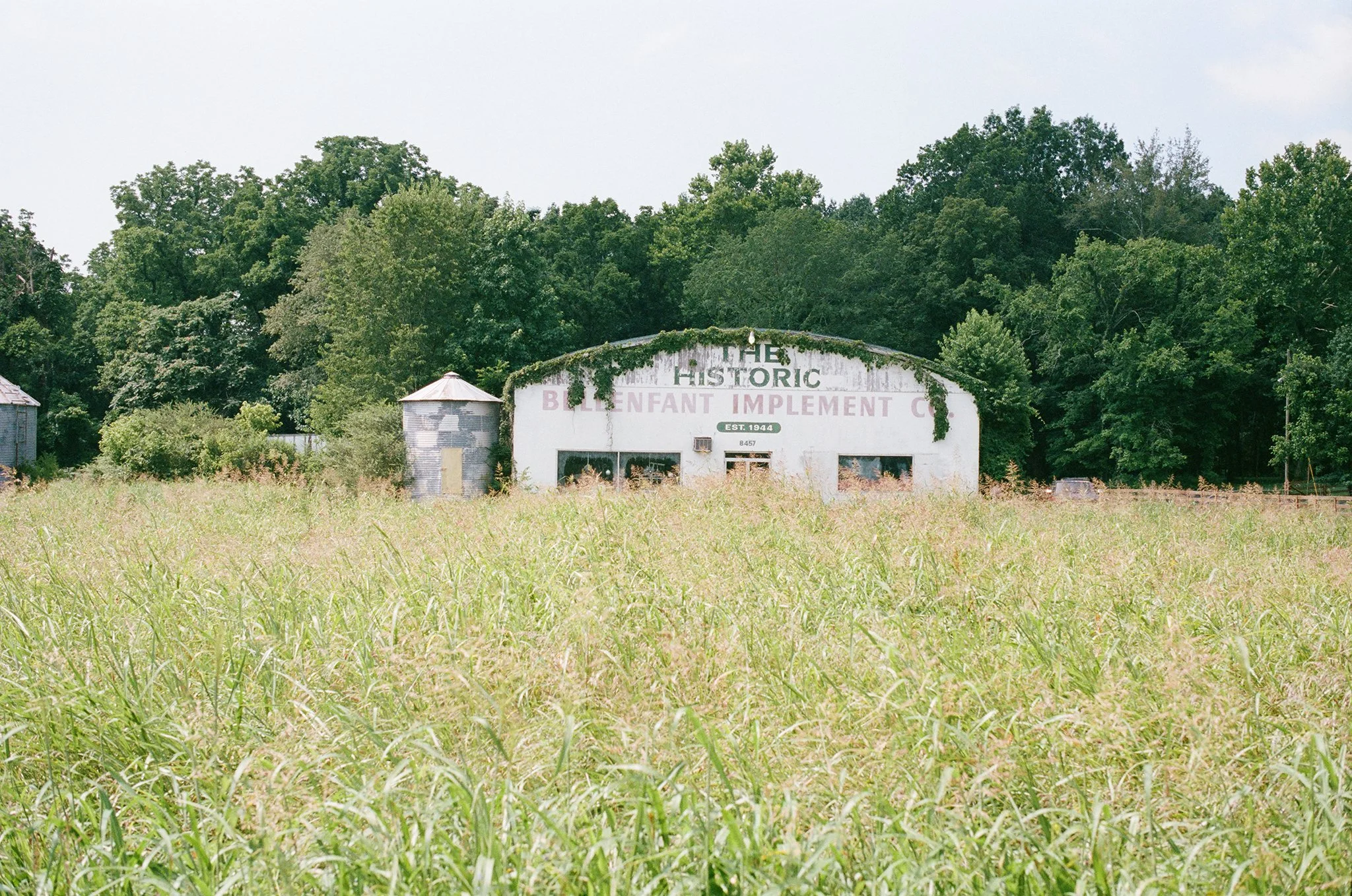

We wandered.
Nash Family Creamery
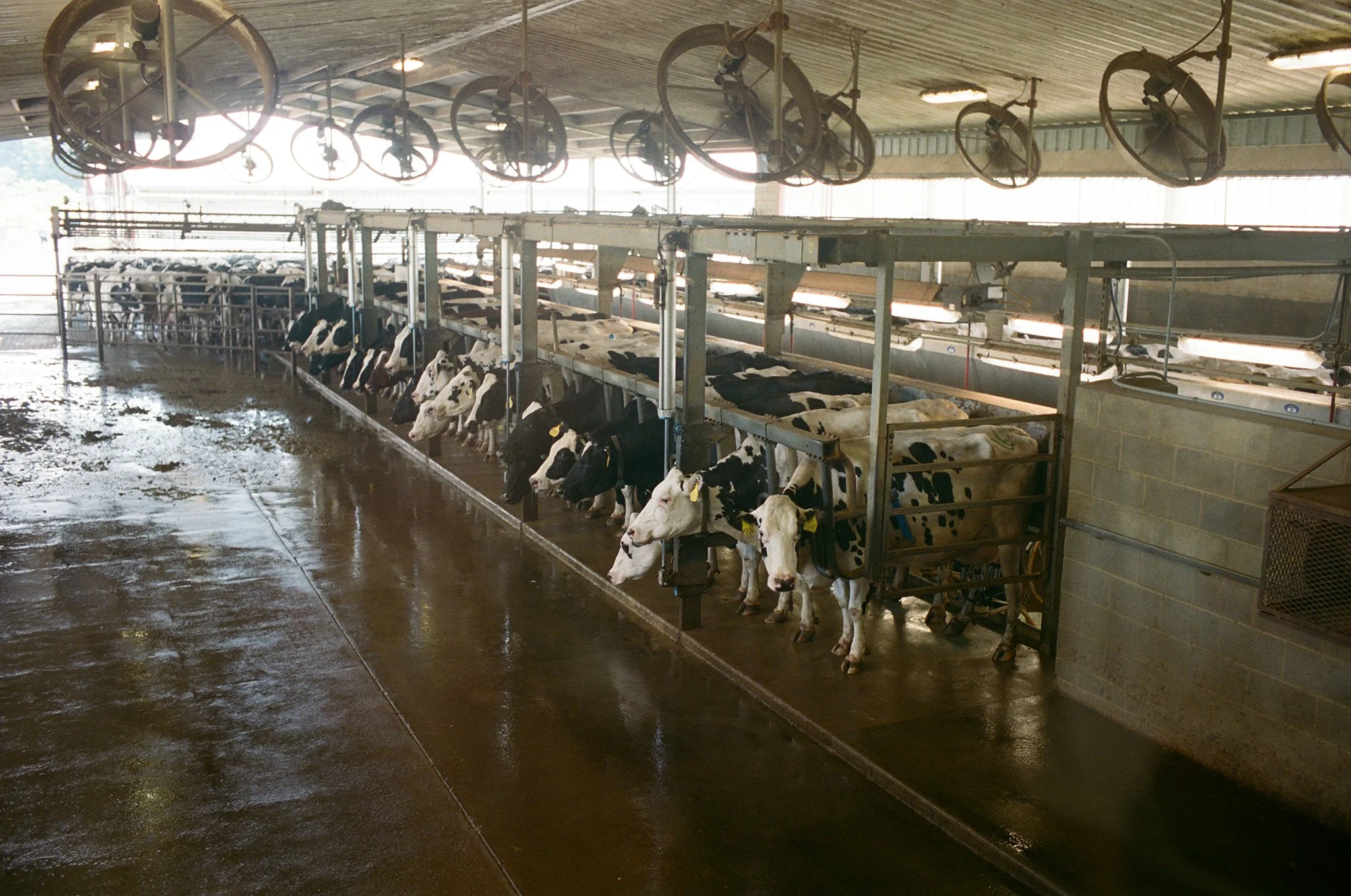
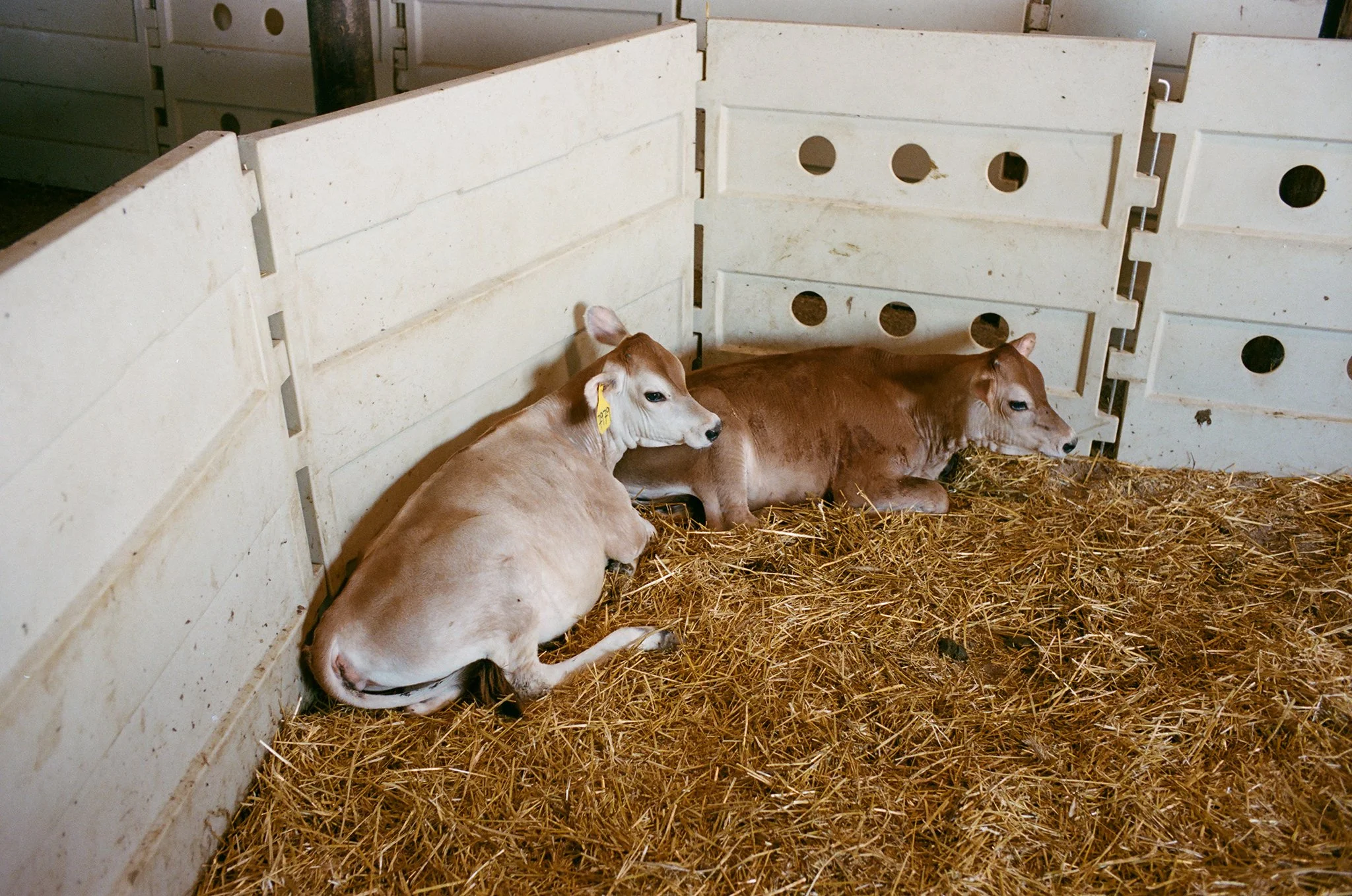
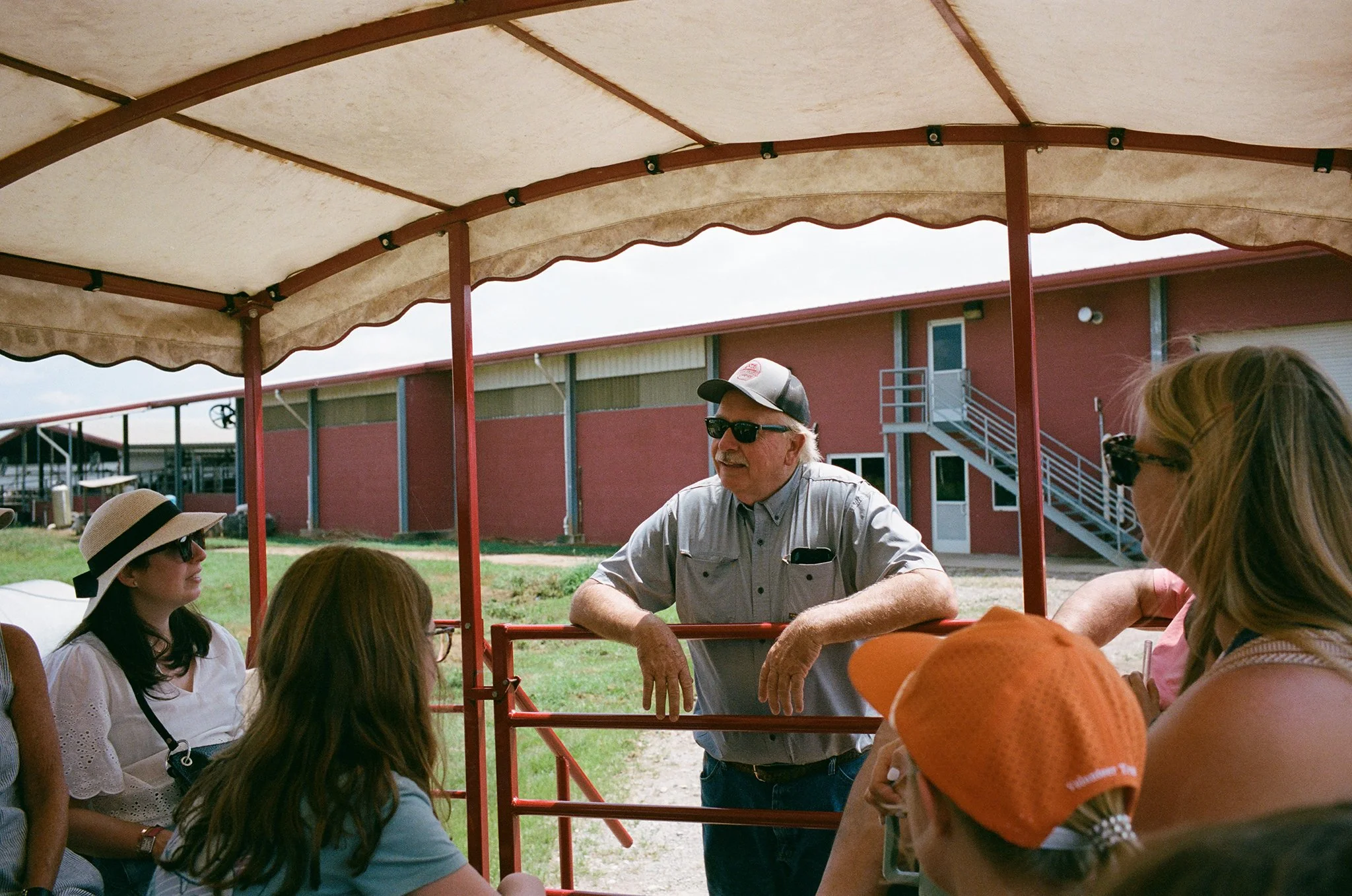
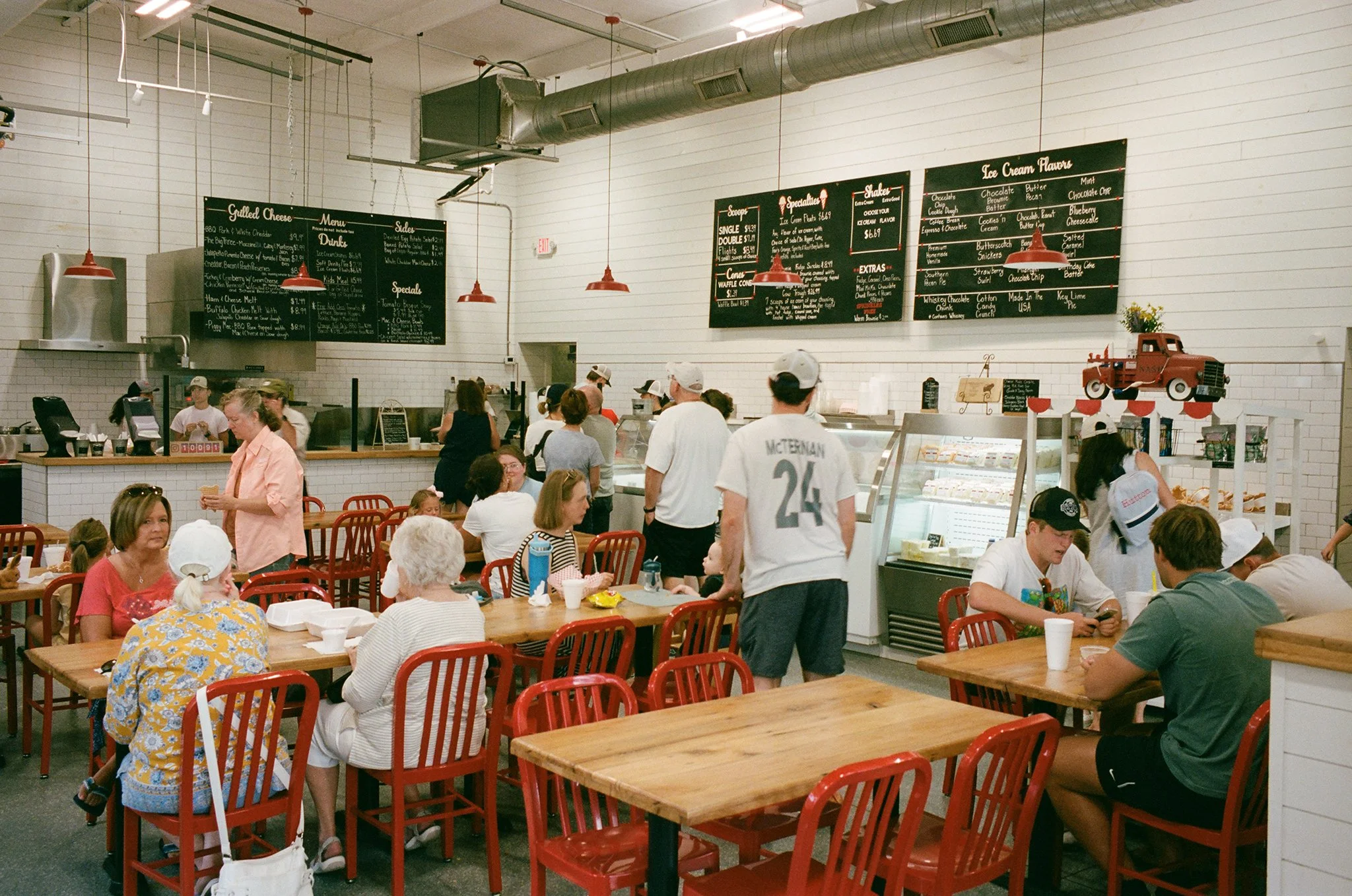
To Nash Family Creamery, where the day began not with dessert, but with dirt, grass, and the earthy heartbeat of a working farm. We took a tour first, tracing the path from pasture to table. We stood beside calm-eyed cows being milked, watched calves nuzzle in the shade, and learned the quiet mechanics of how milk becomes memory. Afterward, we rewarded ourselves with grilled cheese sandwiches on thick slices of bread, buttery and warm, and ice cream under the sun—melting just fast enough to make you grateful.


Franklin
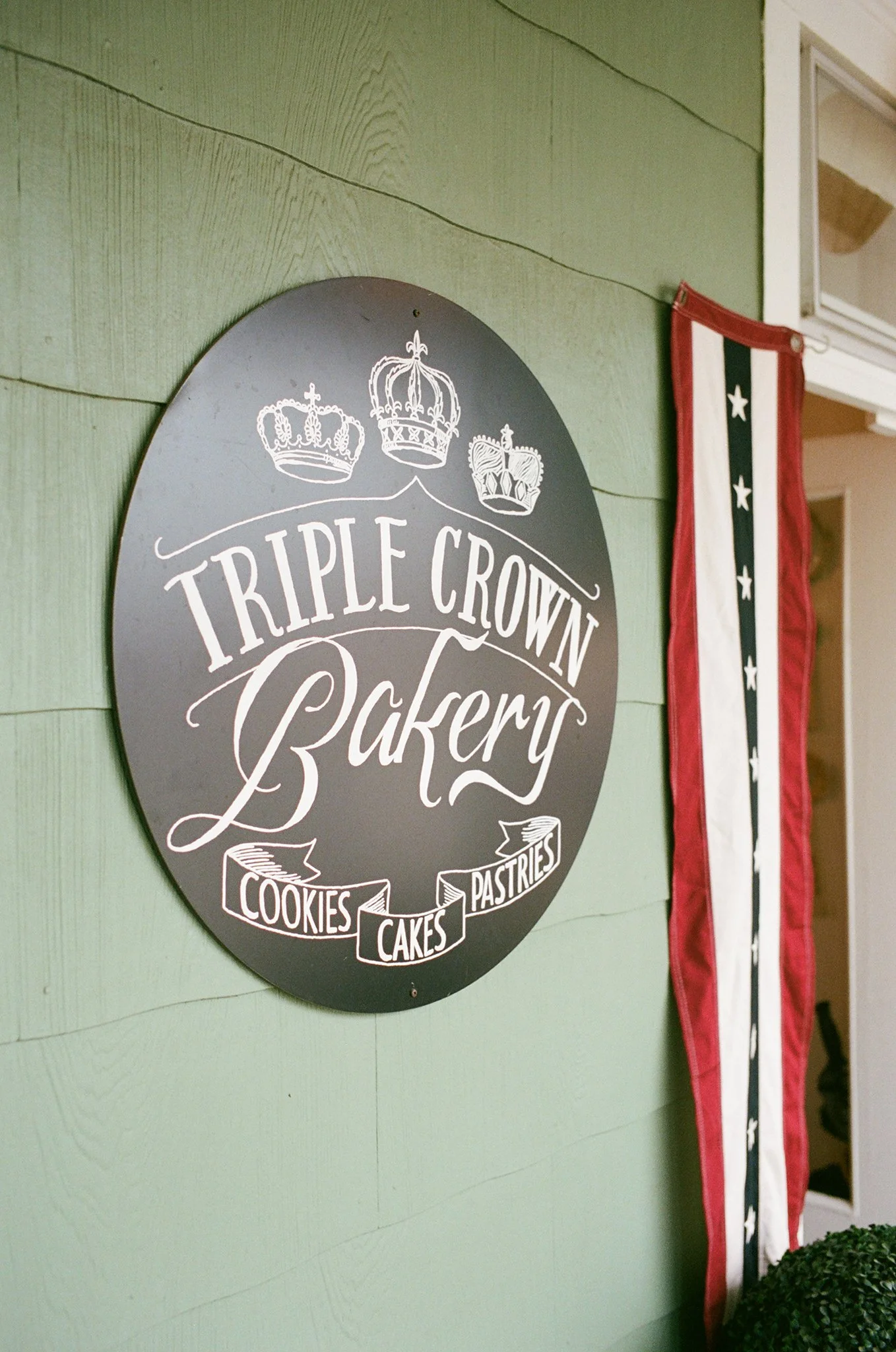
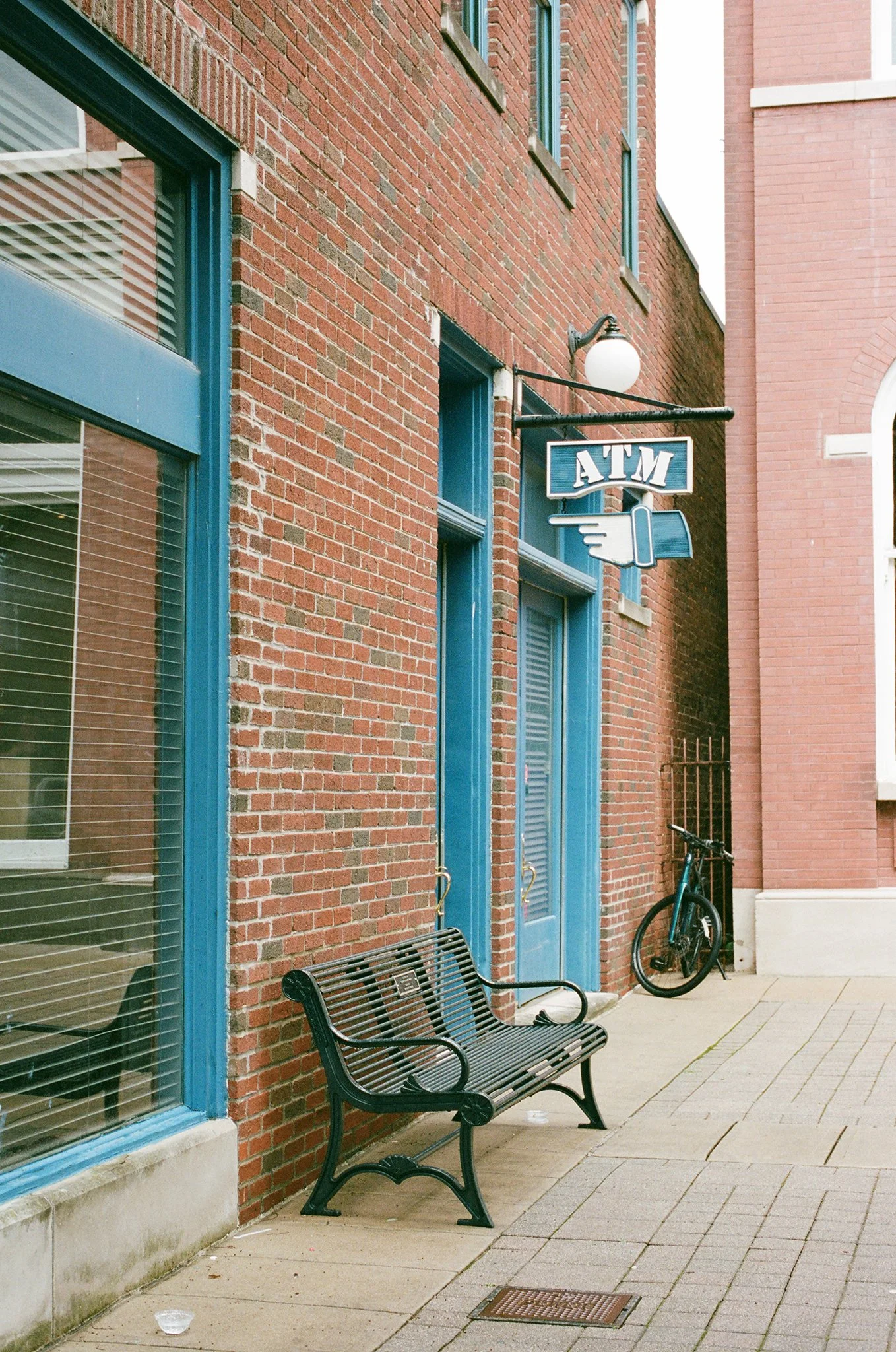
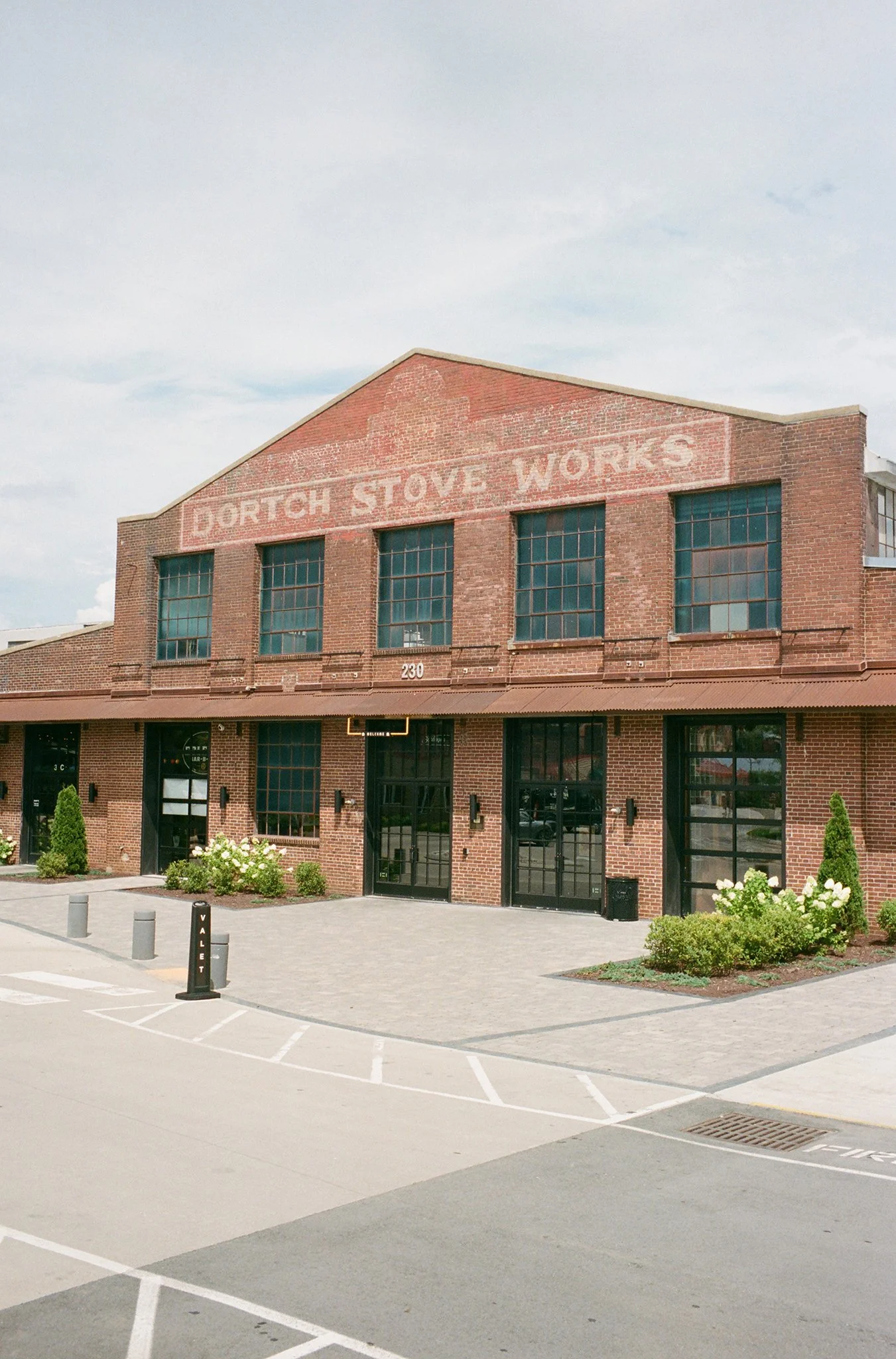
To Franklin, with its Main Street charm and antique storefronts, perfect for walking hand-in-hand under a shifting sky.




Leiper’s Fork
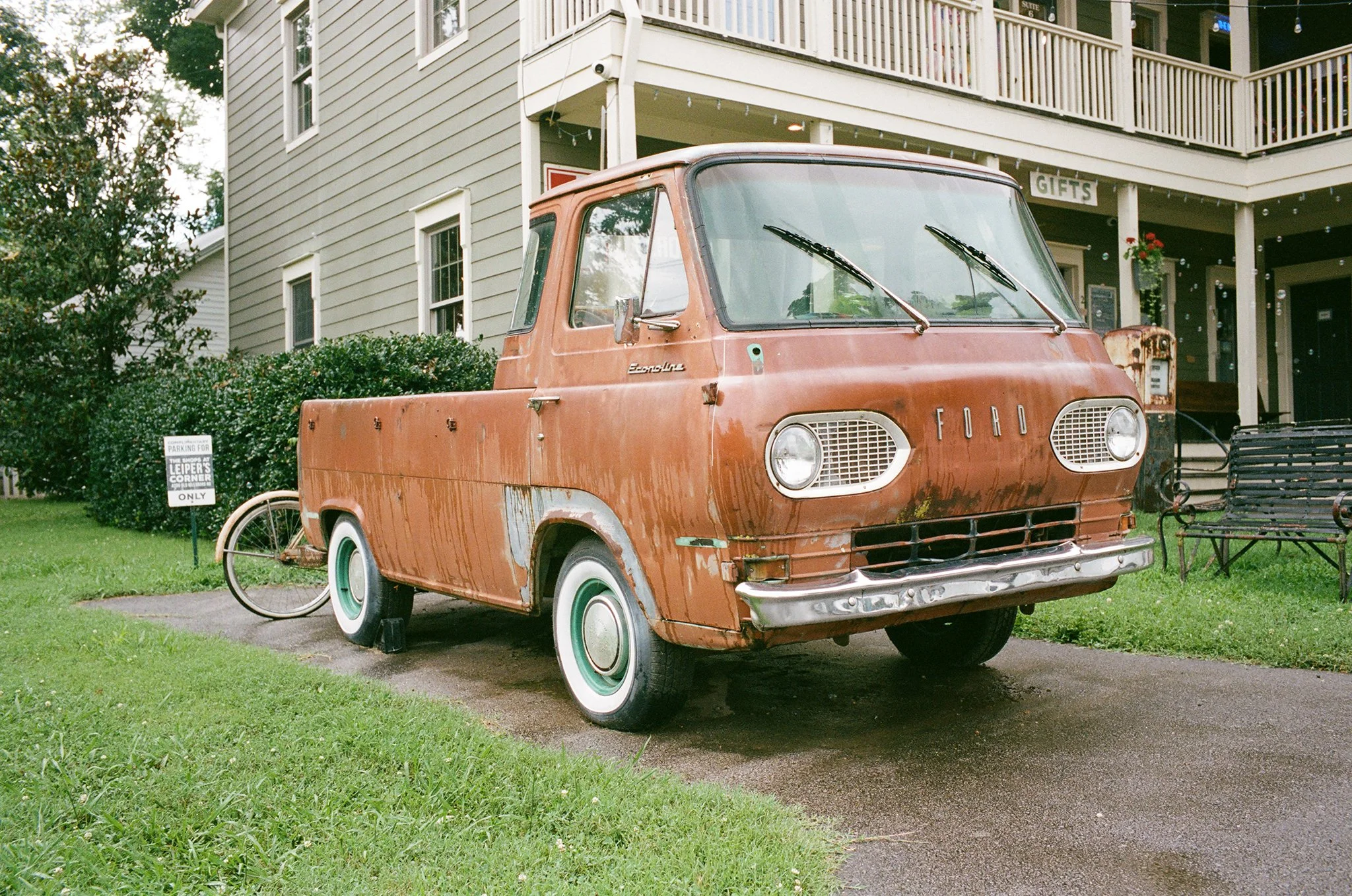
To Leiper’s Fork, where Americana lives and breathes—a town that feels like the past isn’t gone, just slower.

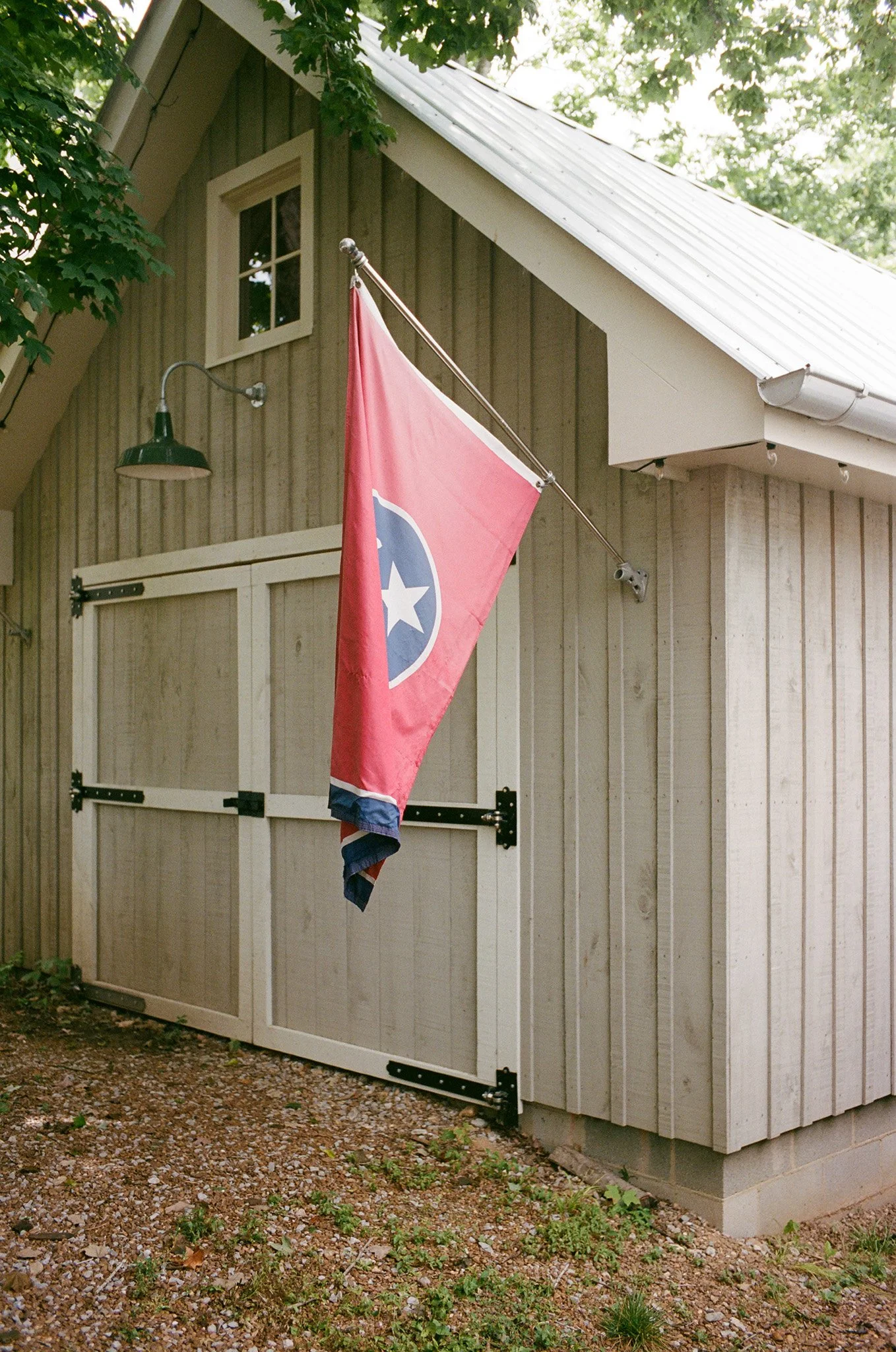


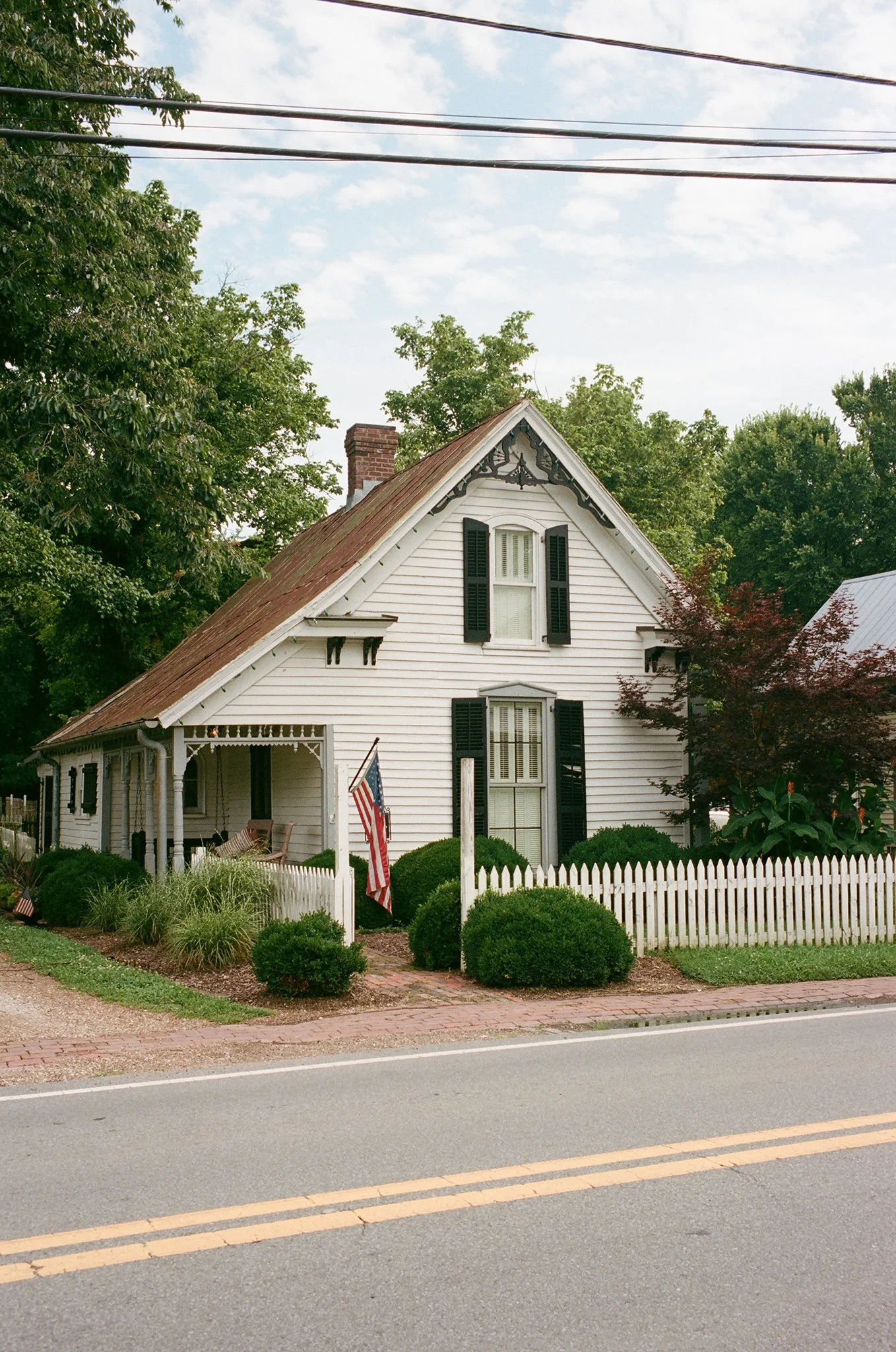
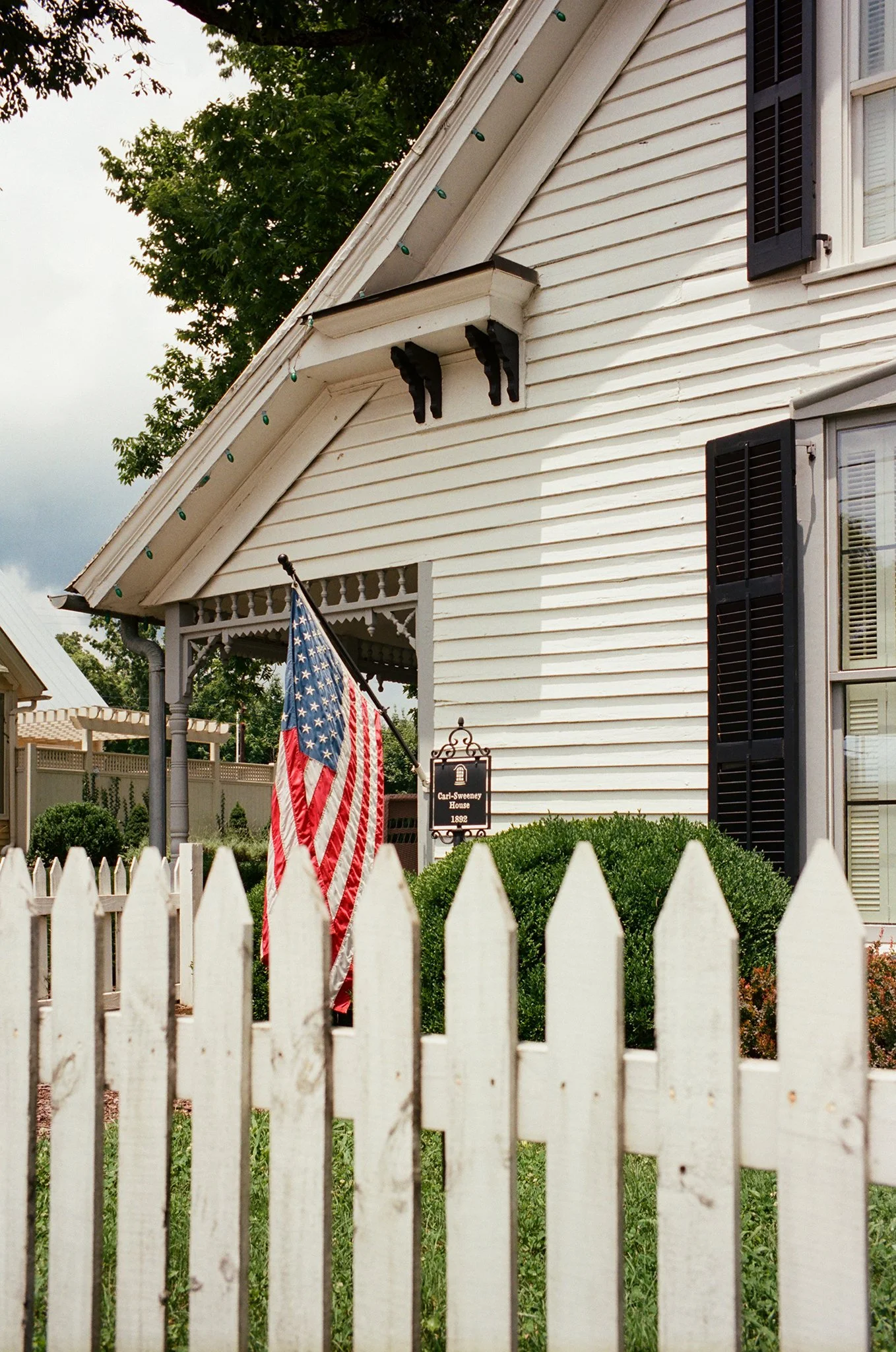


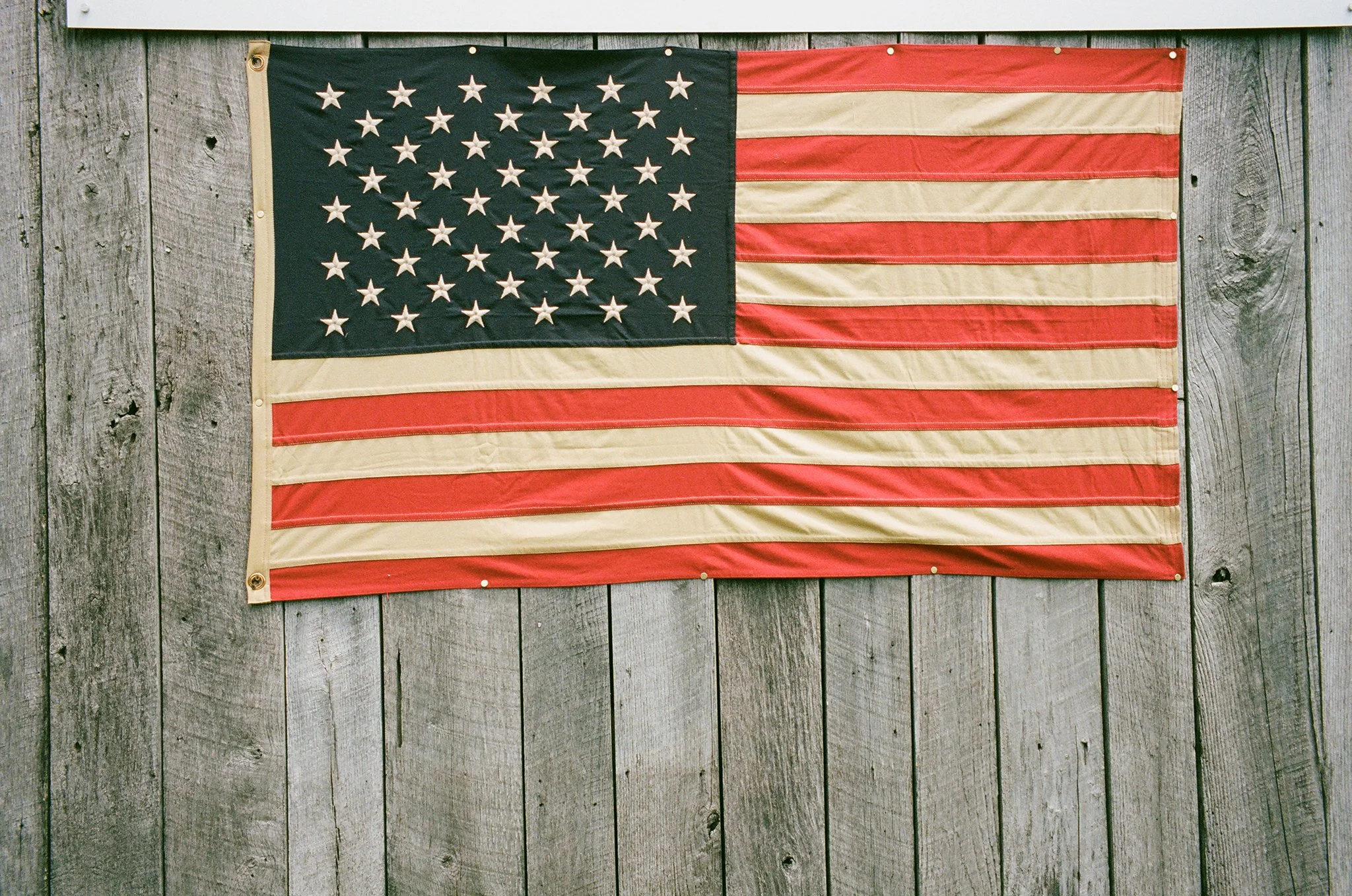

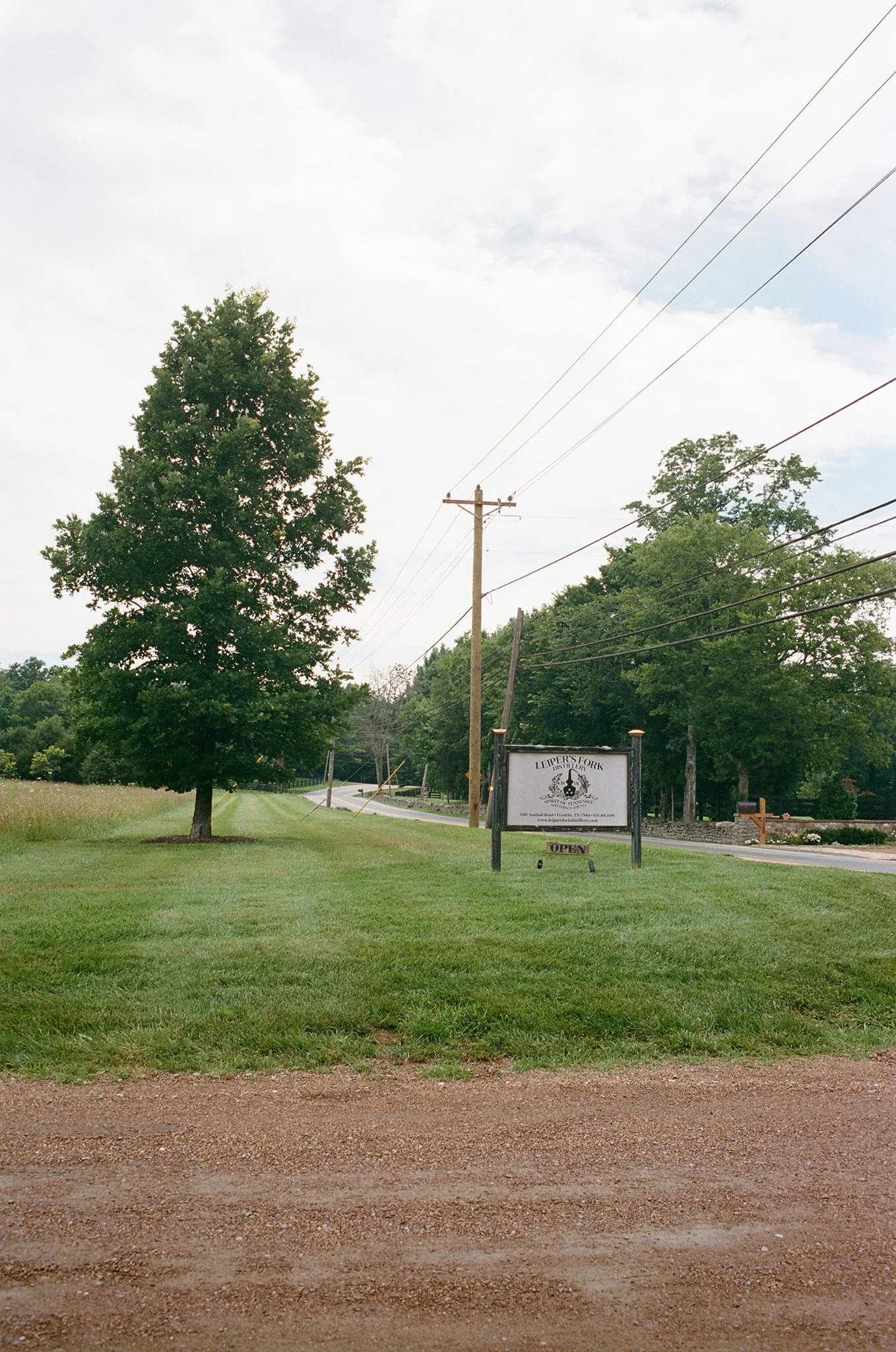
Leiper’s Fork Distillery
The distillery there offers grown-ups a taste of smoke and spice.


Nashville
There were bursts of city too. We made our way into Nashville—Broadway for neon chaos and live guitars that spilled onto the street, 12 South for boutiques and donuts.
The rain met us there, warm and sudden, washing over concrete and laughter alike. We didn’t mind. We ducked into shops and soaked it all in. Sunshine returned in time to dry our shoes.

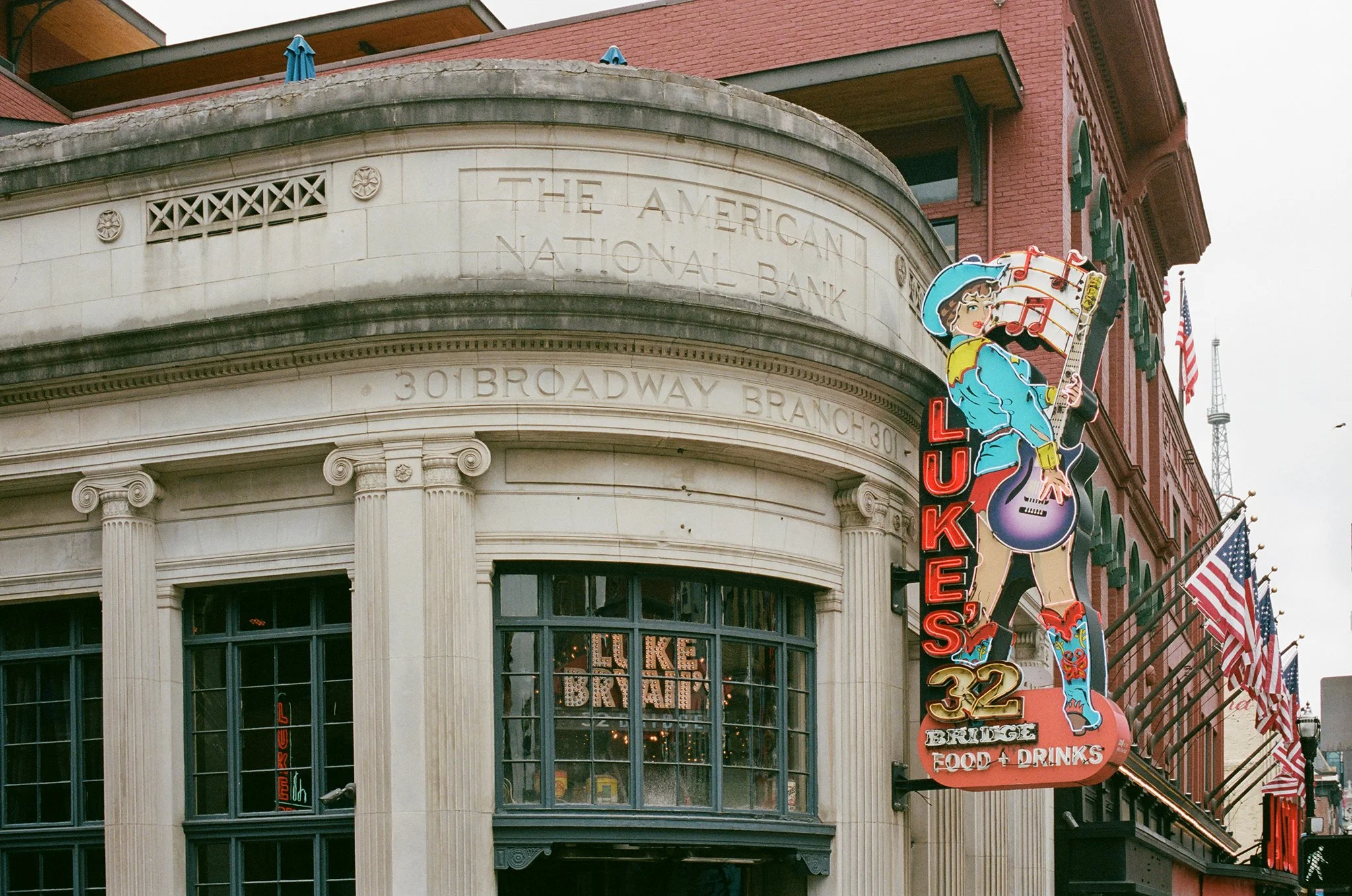

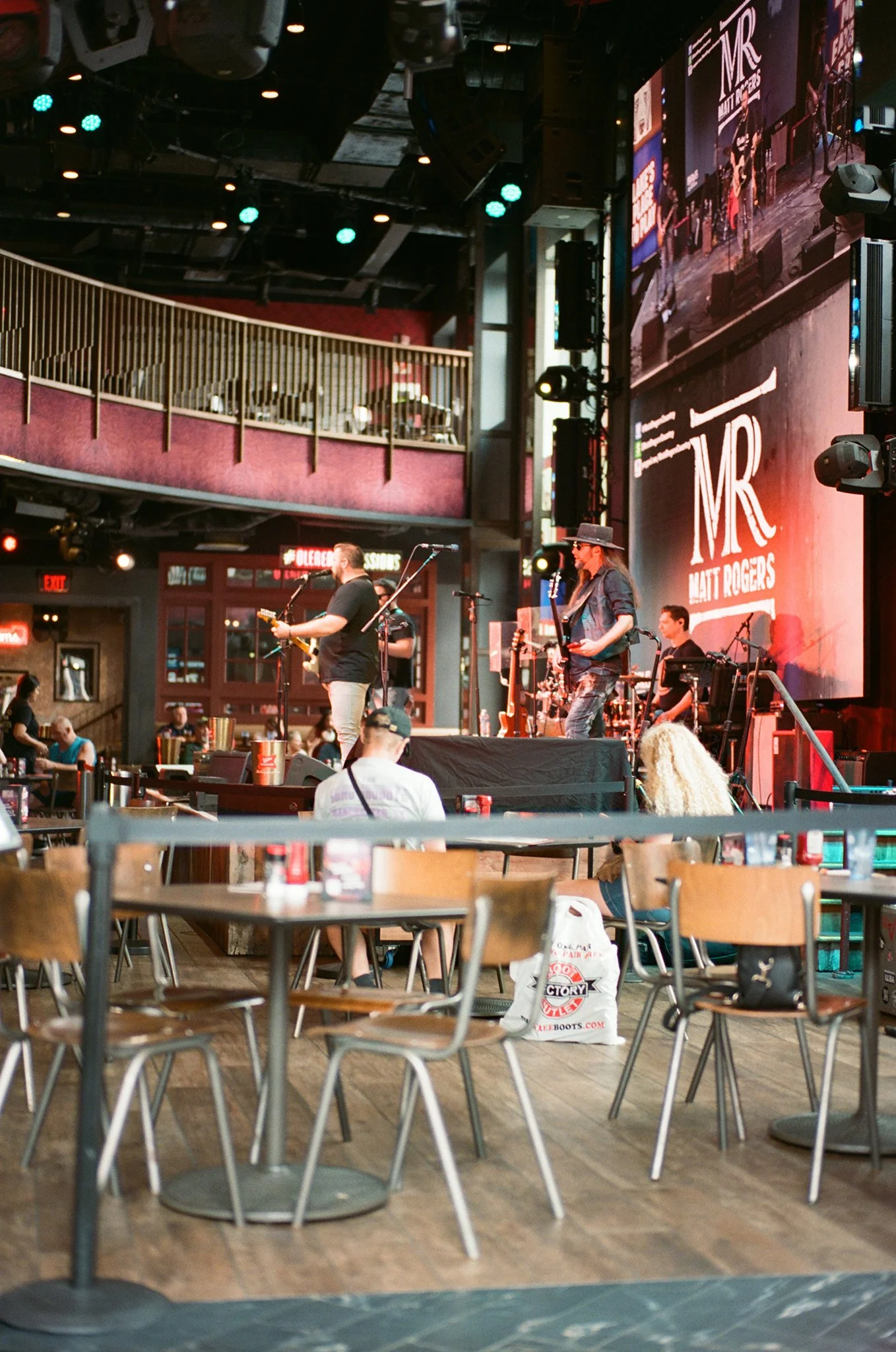
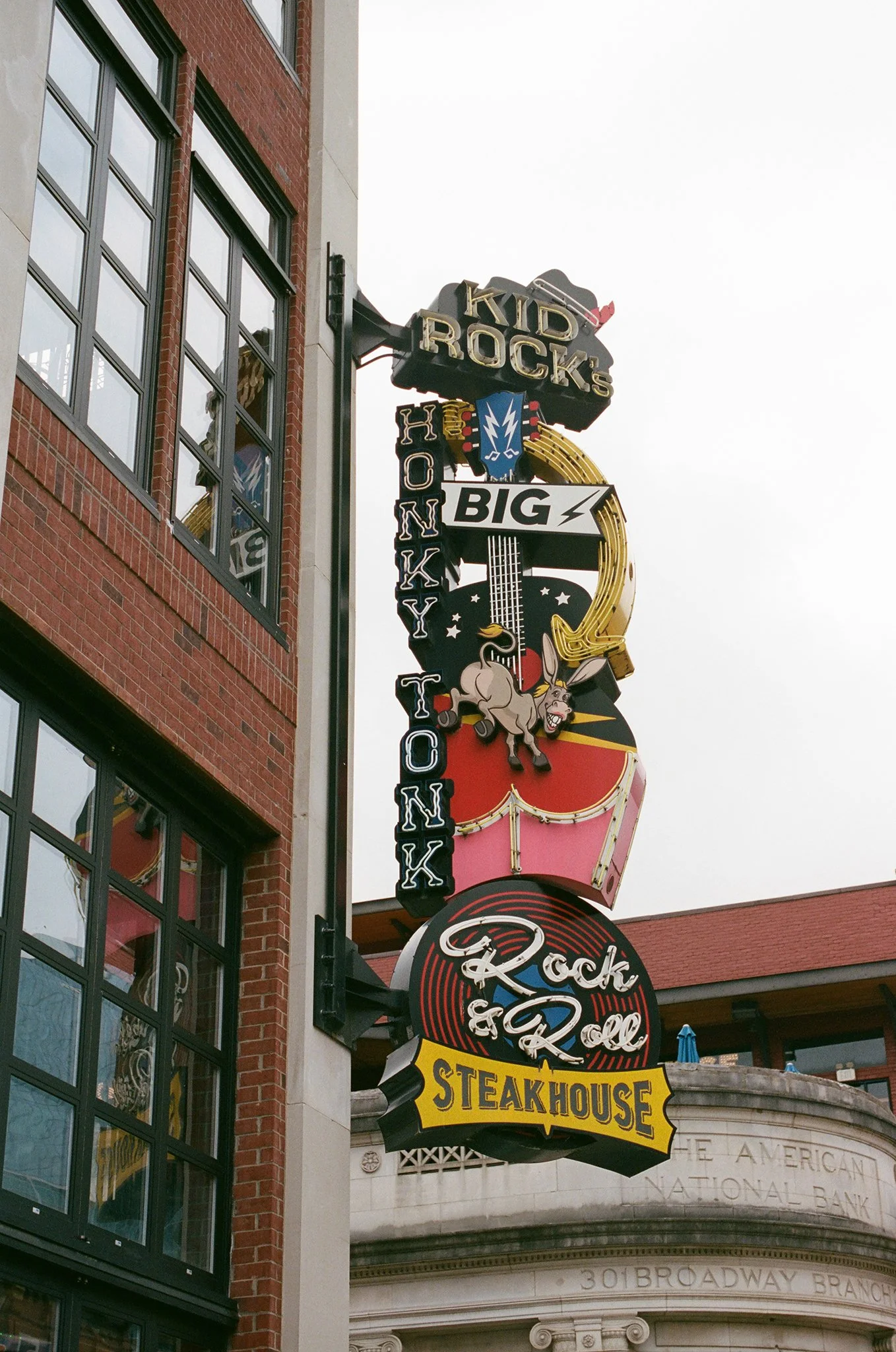

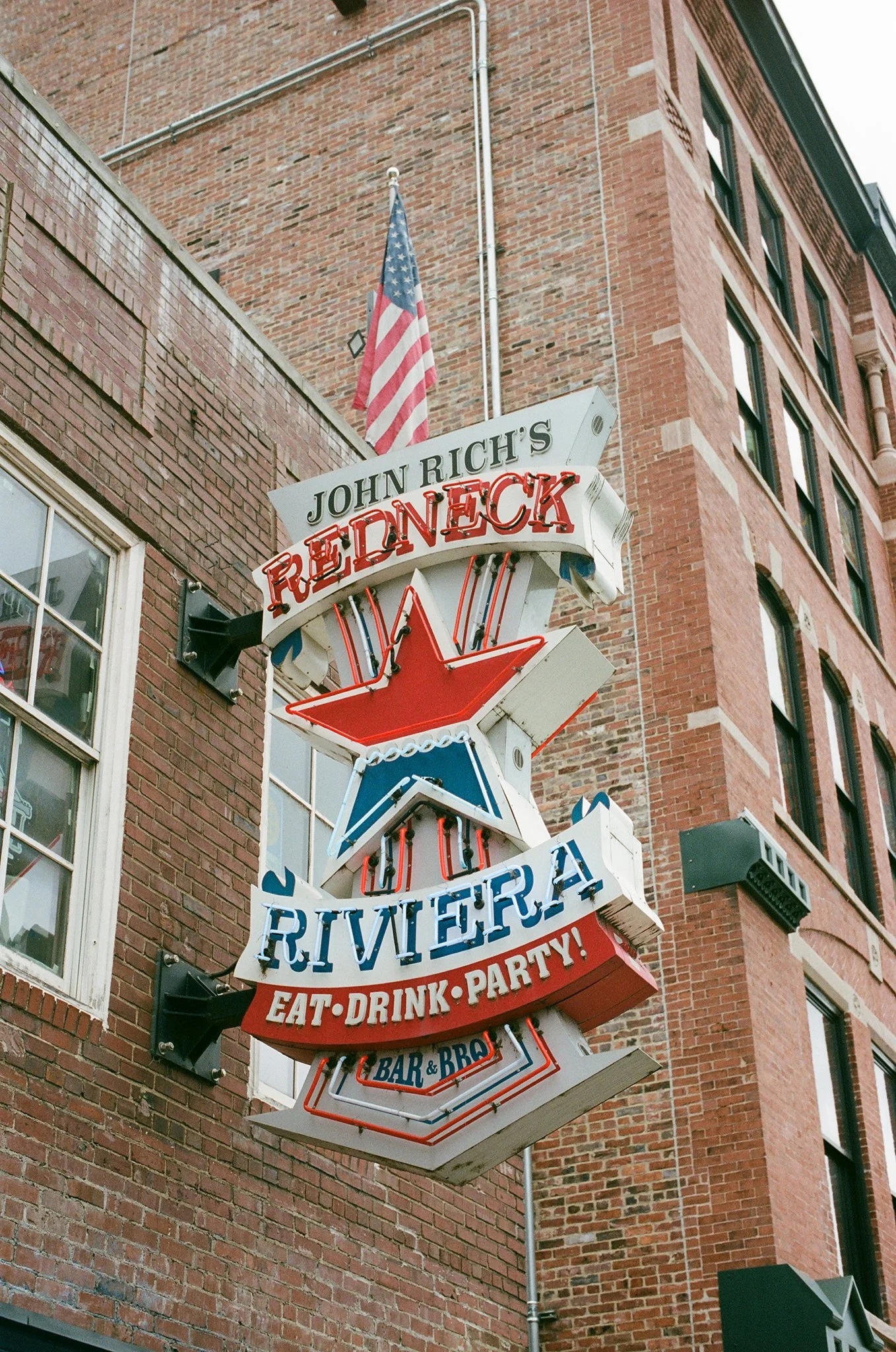

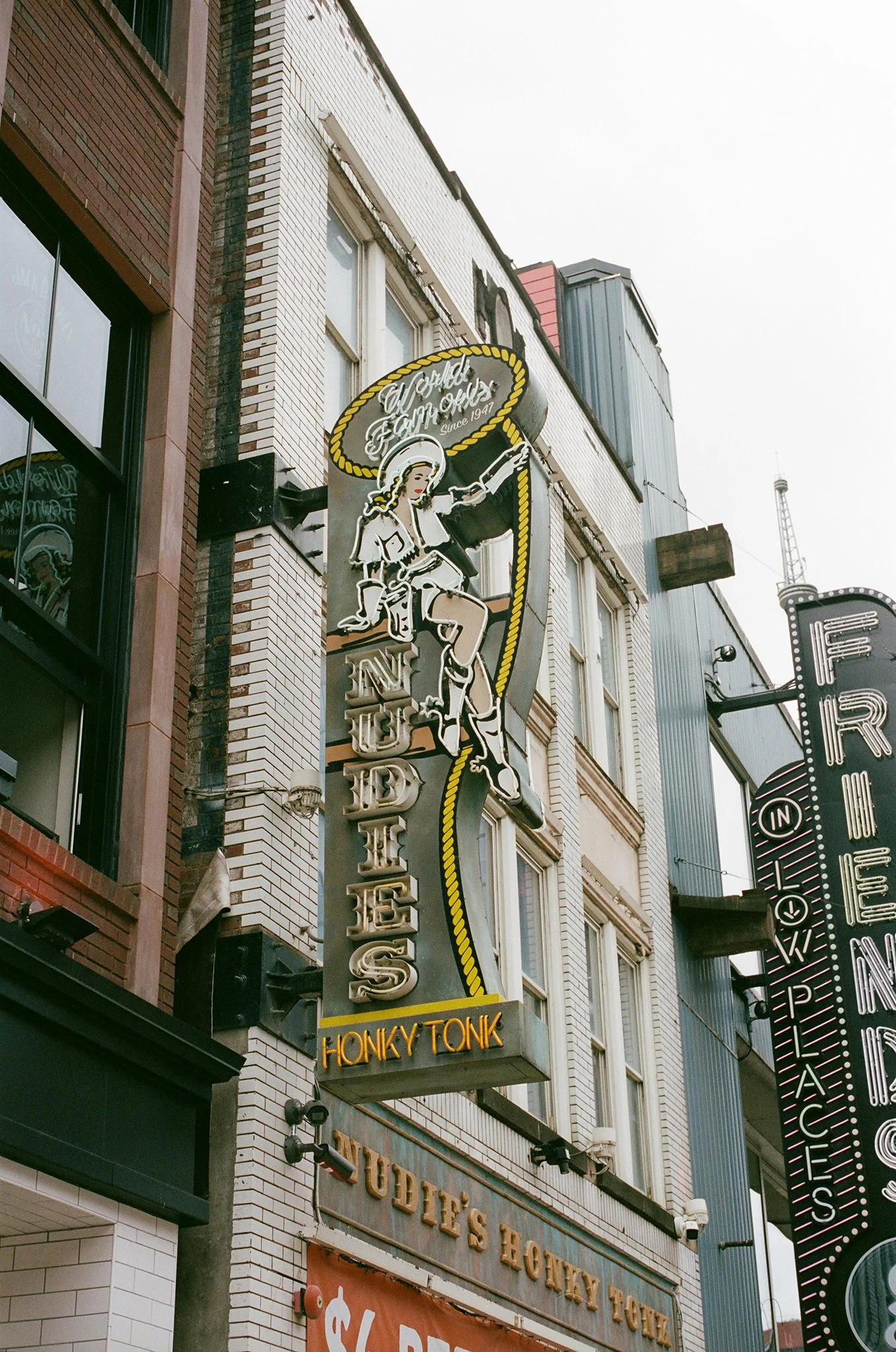
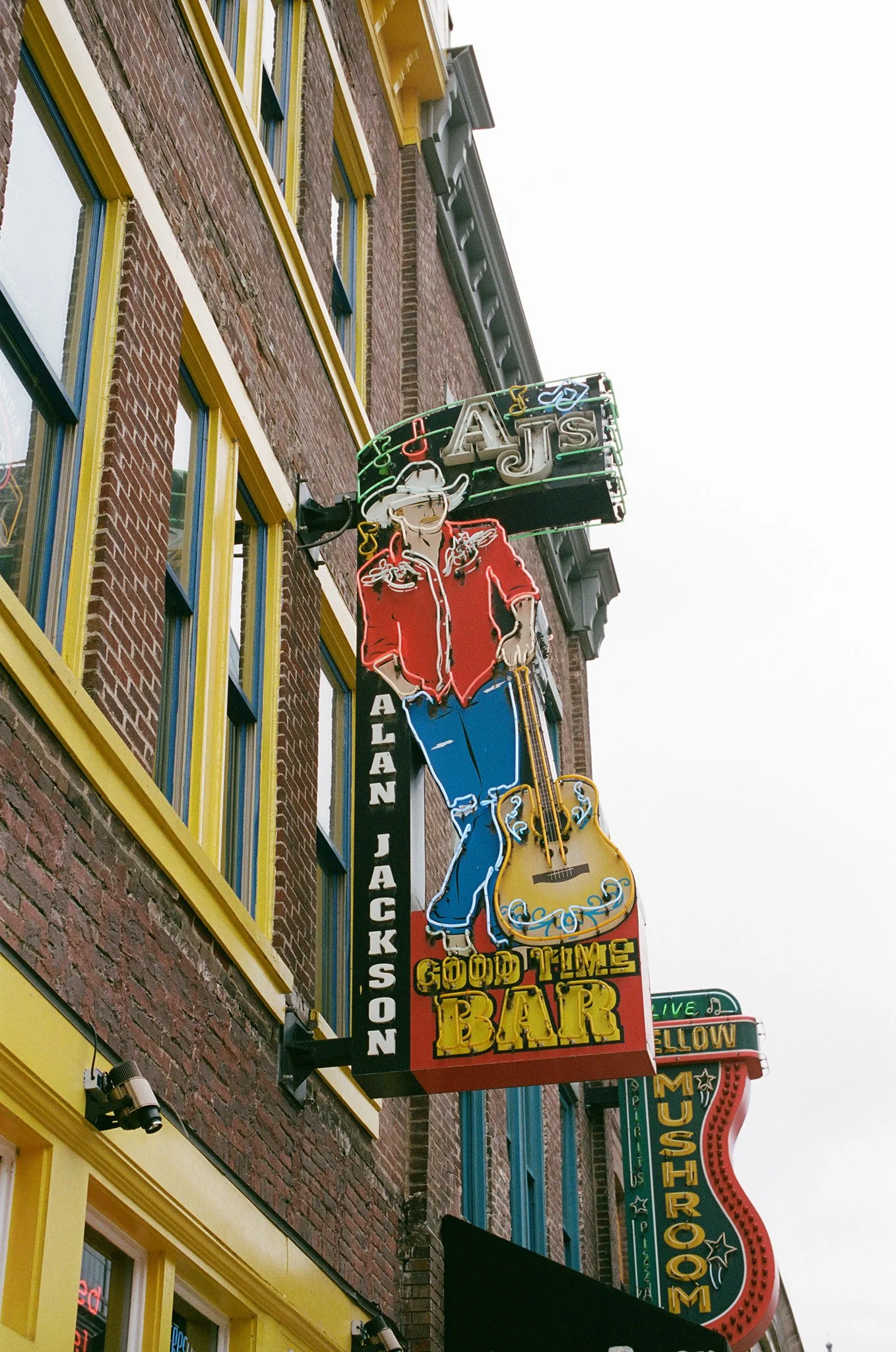

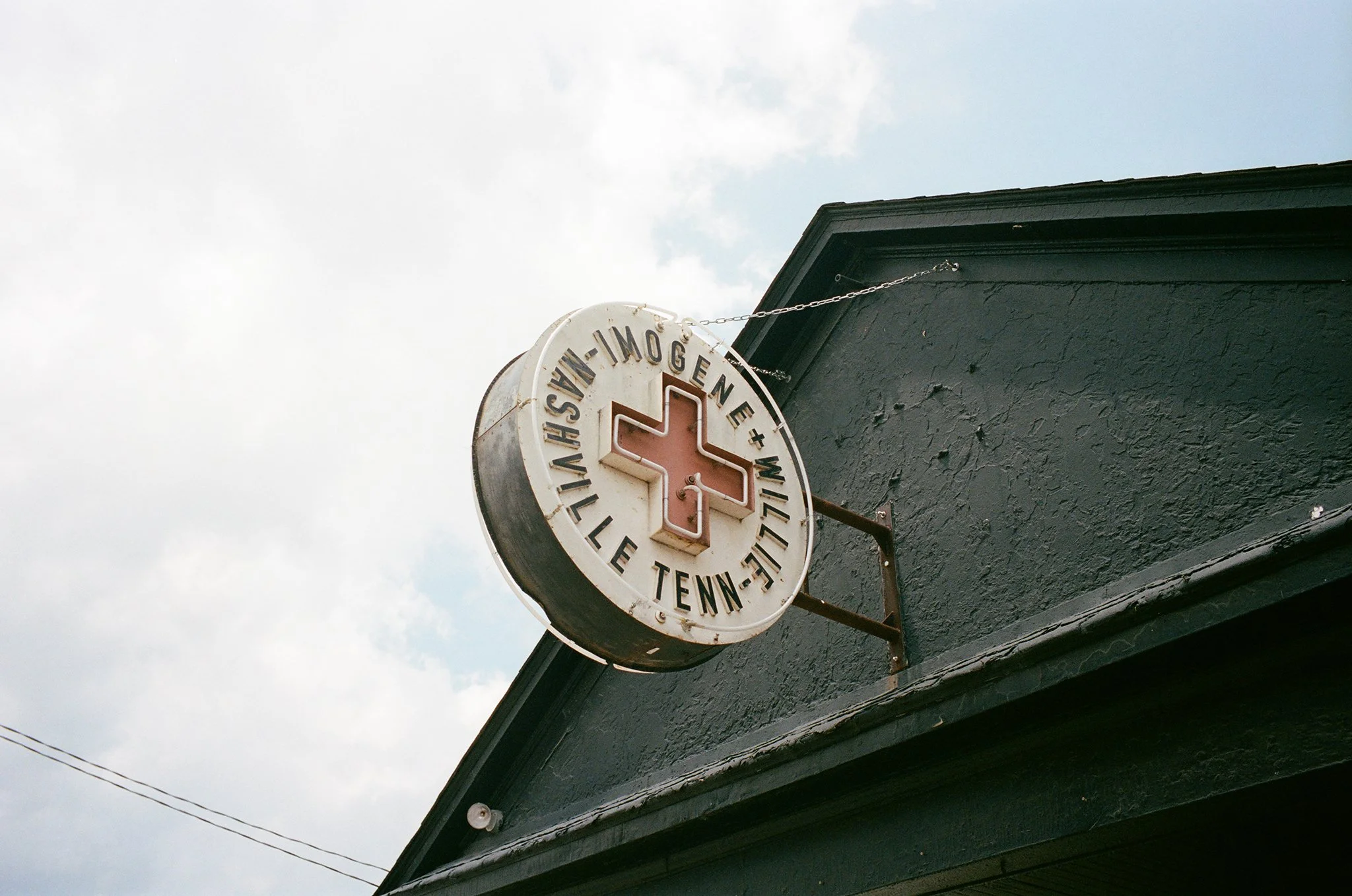
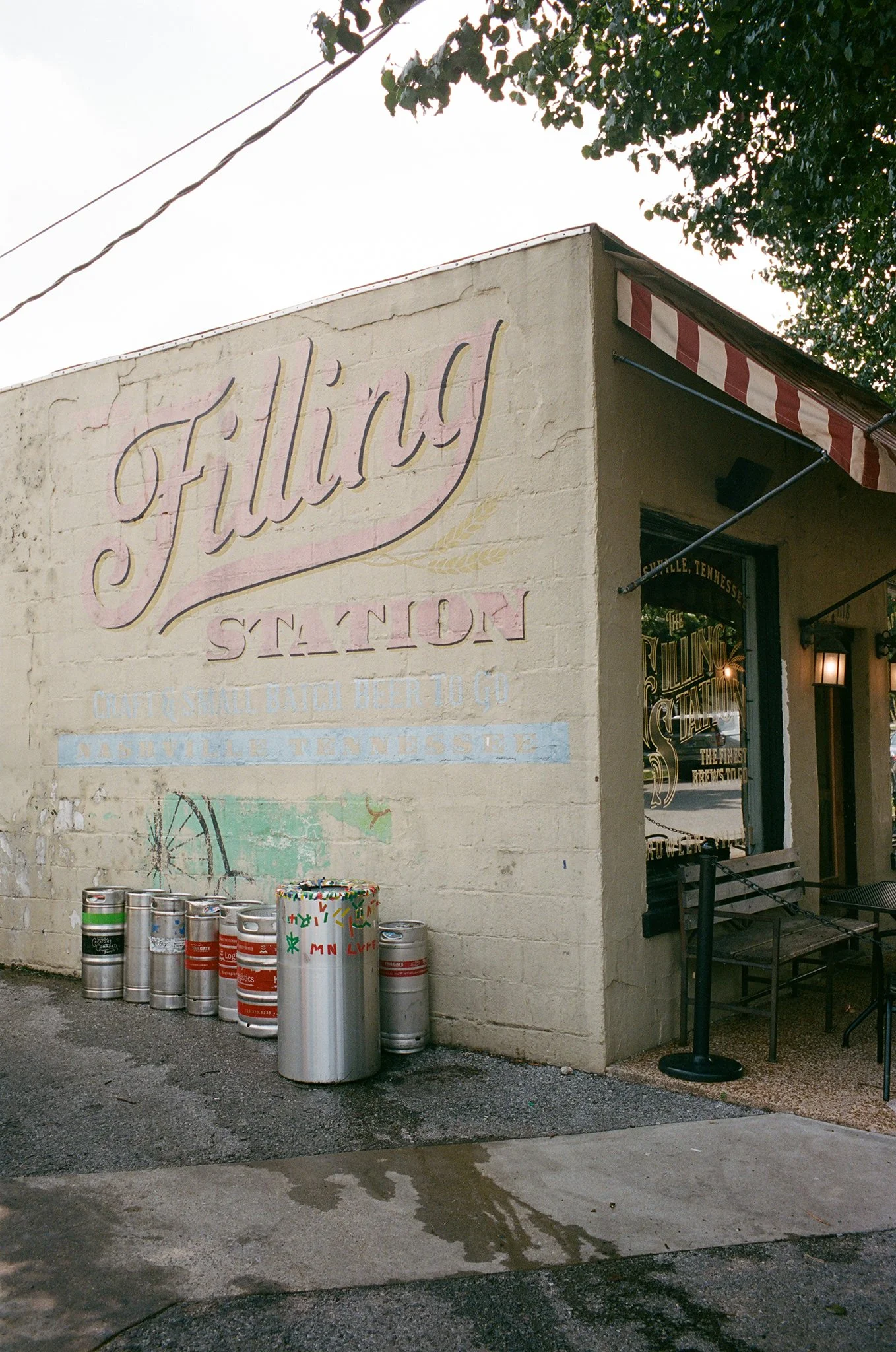
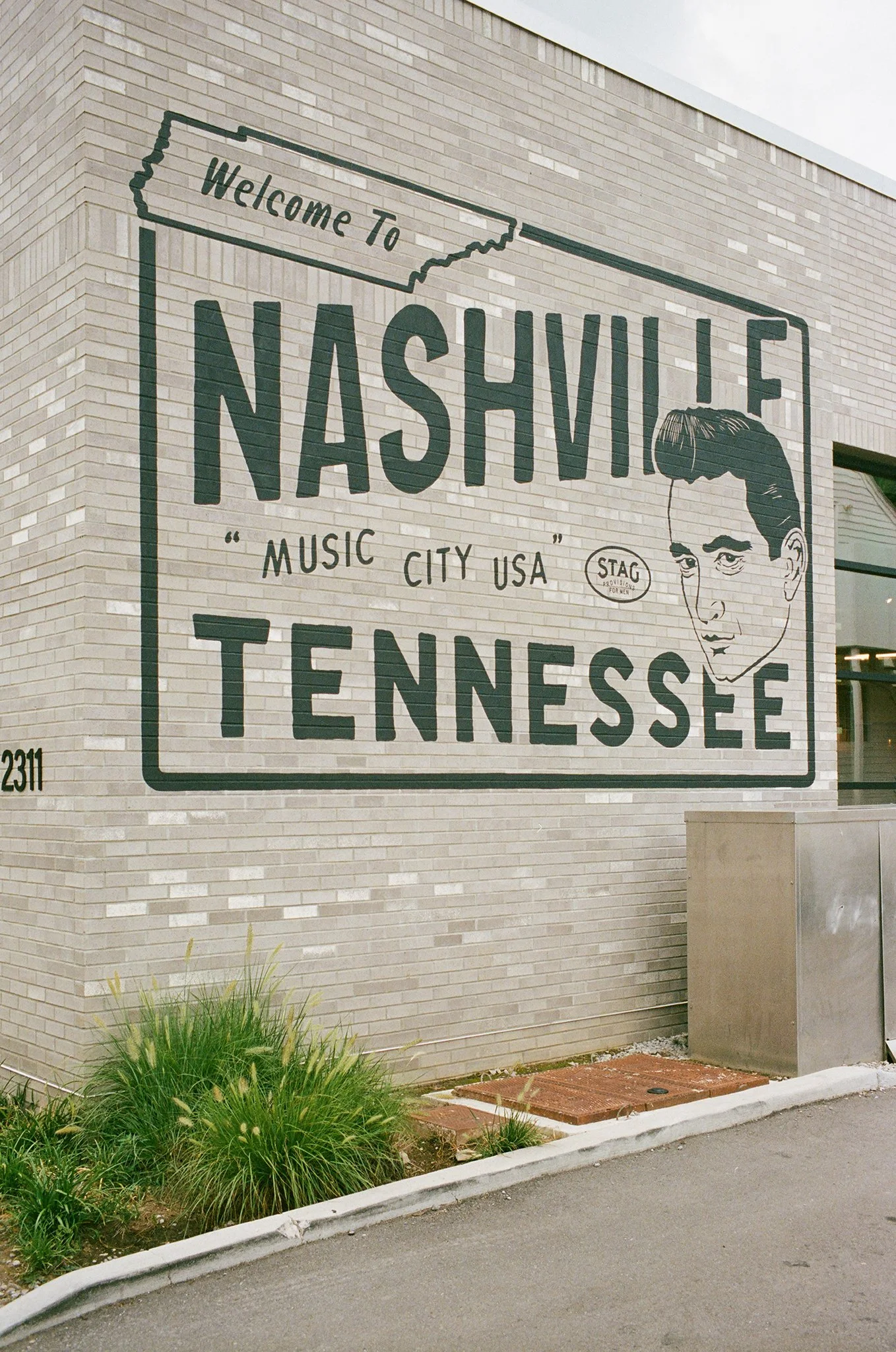
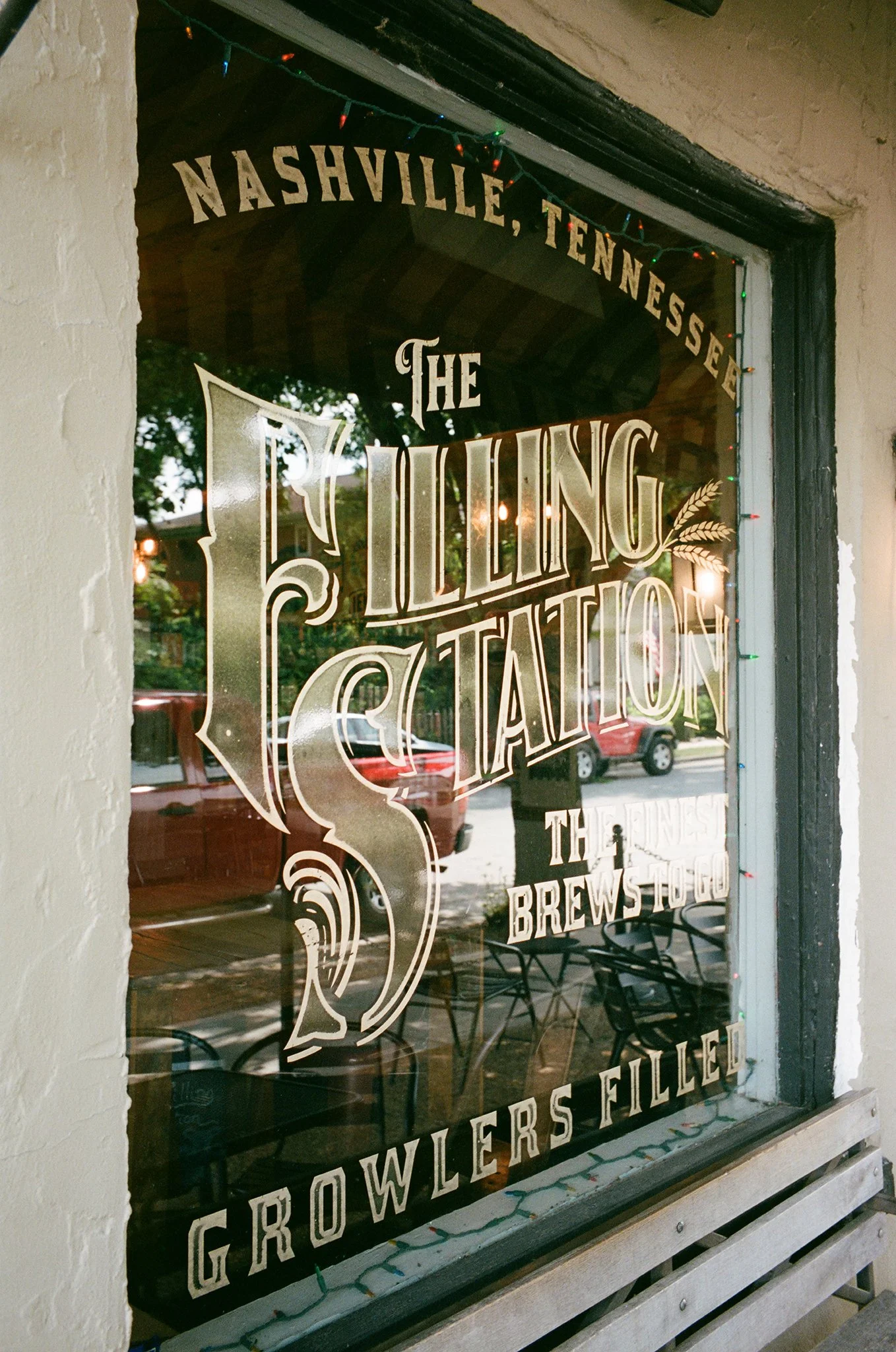
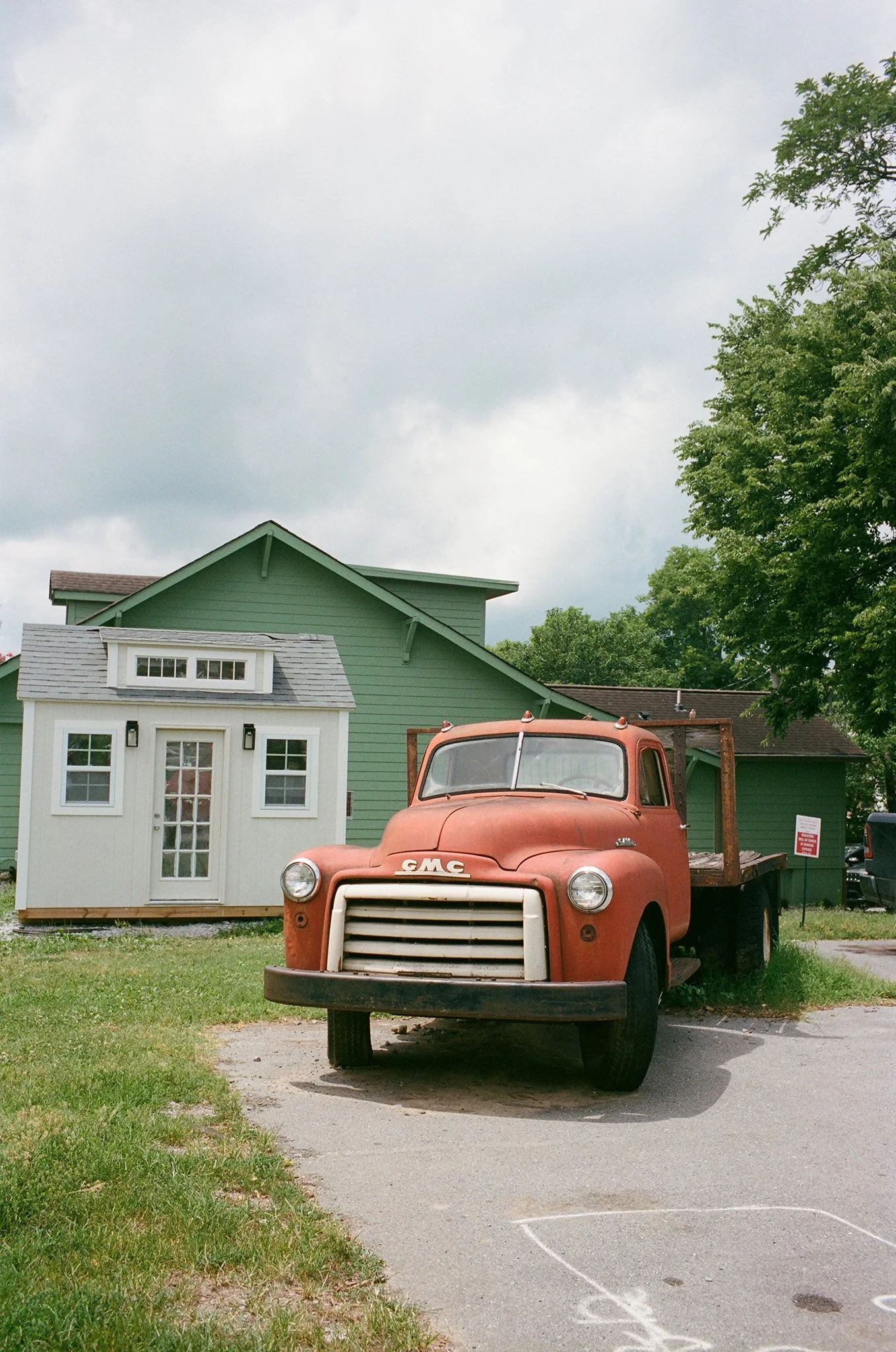


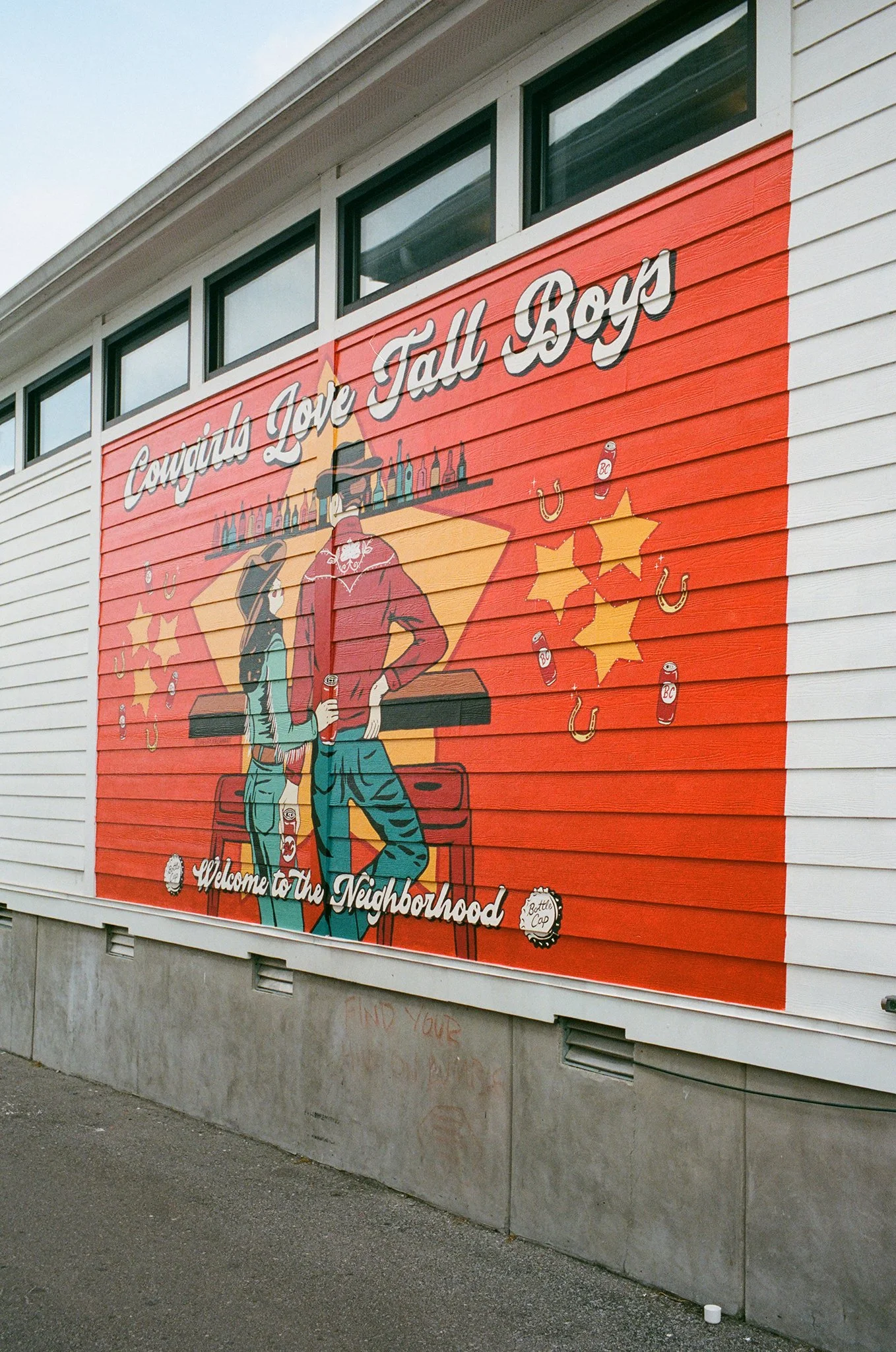
The trip wasn’t polished or perfect, but it was textured—soft where it needed to be, rough around the edges where memories are made. Rain and music, road trips and naps, and sticky fingers from melting chocolate.
Tennessee gave us space to just be—together, quiet, loud, curious.
And that little house in Kingston Springs? It gave us something else: a pause. A way to hold the summer in our hands before it slipped too far ahead.
Shot entirely on Kodak Portra 400 35mm film with a Leica MP, these photos showcase the rich tones and nostalgic feel of film photography across rural and urban Tennessee.
Developed and scanned by Palm Film Lab in Miami, FL.